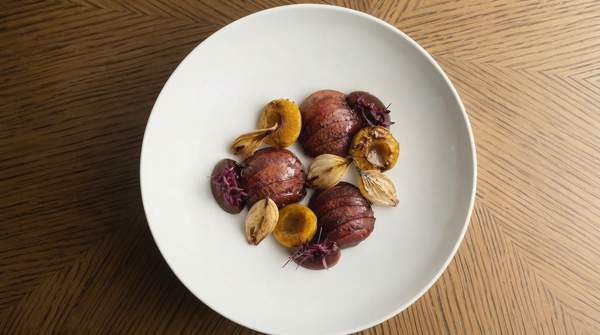
A crisp brut Champagne, seemingly delicate, can surprisingly cut through the richness of fatty liver paté, proving that the best wine pairings often defy conventional wisdom. This unexpected combination showcases how a wine's effervescence and acidity can cleanse the palate, preparing it for the next bite. Such pairings elevate both the food and the wine, creating a more profound and memorable dining experience for those willing to explore beyond traditional boundaries.
While many believe wine pairing is about finding harmonious flavors, some of the most memorable combinations arise from deliberate, surprising contrasts. This tension between expected harmony and unexpected opposition forms the core of truly exceptional culinary experiences. Approaching wine pairing with an open mind to both complementary and contrasting elements will unlock a broader spectrum of culinary enjoyment. For more, see our How Pair Fine Wine with.
This dynamic interplay between food and wine moves beyond simple rules, inviting diners to discover new dimensions of taste and texture. The most memorable wine pairings consistently defy the common wisdom of 'like with like,' instead leveraging bold contrasts to elevate both food and wine in unexpectedly profound ways.
The Art of Harmony: Matching Like with Like
For many, the most predictable and reliable technique for achieving a pleasing food and wine pairing involves matching like with like, according to Winemakermag. This approach focuses on aligning similar flavor profiles and intensities between the dish and the wine. A light, delicate white fish might pair seamlessly with a crisp, unoaked white wine, for instance.
This method creates a seamless experience where the wine and food complement each other without competition. The goal is to enhance the overall enjoyment by allowing both elements to shine in a balanced manner. This strategy often serves as a foundational principle for those beginning to explore wine pairing, offering a safe and consistent path to pleasant combinations.
Beyond the Basics: Understanding Flavor Intensity and Weight
Assessing the distinct characteristics of both food and wine remains crucial for any successful pairing. Factors such as a dish's body, richness, and primary flavor components must be considered alongside a wine's acidity, tannin structure, and aromatic profile. A heavy, cream-based pasta dish, for example, demands a wine with enough body and acidity to stand up to its richness without being overshadowed.