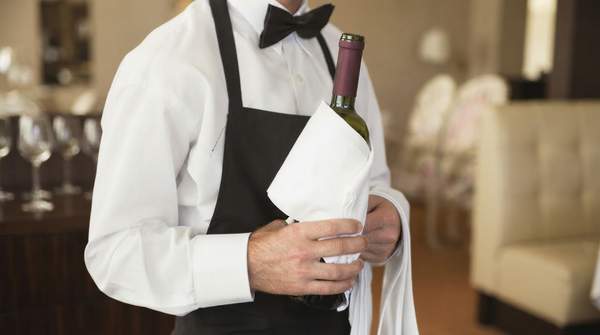
At Marcel, Sotheby's new French restaurant in Manhattan's historic Breuer Building, diners can purchase the Roman and Williams-designed furnishings they sit on. They can also order rare vintage wine directly from Sotheby's catalogue, according to ELLE Decor. A meal at Marcel transforms into a direct sales opportunity, blurring the lines between dining and luxury retail.
Sotheby's built its legacy on high-value auctions. Yet, it now directly engages in everyday luxury retail and hospitality. Its headquarters transforms into a multi-faceted commercial hub. The institution's move positions it as a direct competitor to established high-end lifestyle brands.
A broader trend sees luxury brands evolving beyond core offerings. They create comprehensive lifestyle ecosystems, redefining how consumers interact with high-end goods. Sotheby's now aims to capture the everyday spending of the affluent, not solely their art investments.
A Curated Culinary and Design Experience
Robin Standefer and Stephen Alesch of Roman and Williams oversee Marcel's design and operation; they also own the restaurant, according to ELLE Decor. Their new Marcel collection features 56 pieces, designed to converse with Marcel Breuer's original vision. Chef Marie-Aude Rose, a previous collaborator with the duo at La Mercerie, crafted Marcel's menu. It blends Continental and classic New York flavors with a French accent, ELLE Decor reports. Galerie Magazine notes an all-day dining experience, complete with a dedicated La Mercerie Patisserie.
The meticulous collaboration ensures a cohesive, high-end aesthetic and culinary journey. Sotheby's strategically outsources hospitality's operational complexities by partnering with Roman and Williams. The arrangement allows Sotheby's to retain brand control and direct sales channels, expanding its lifestyle offerings without becoming a full-fledged restaurateur. It's a shrewd move to diversify revenue streams while maintaining focus on core luxury expertise.
Where Art, Wine, and Dining Converge
At Marcel, the opportunity to acquire extends beyond the plate. Diners can purchase furnishings, art from Sotheby's collection, and rare vintage wine directly from its catalogue, ELLE Decor details. The direct retail integration profoundly extends the Sotheby's brand beyond its traditional auction format.