
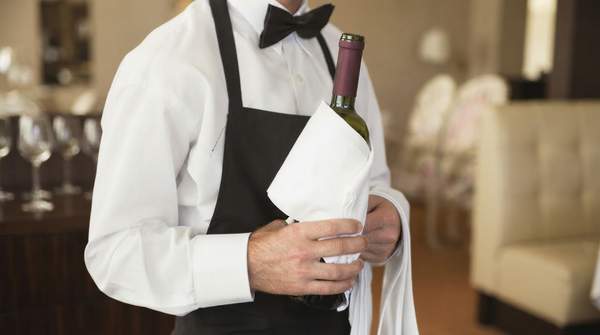
In a fine-dining restaurant, a sommelier does far more than recommend and pour wine. They are central figures who curate the entire beverage program, manage a significant financial asset in the wine cellar, and act as expert guides to enhance the guest's gastronomic journey. With deep knowledge of grape varietals, global wine regions, and winemaking techniques, a sommelier’s primary role is to elevate the dining experience by finding the perfect wine for any palate, dish, and occasion.
The Sommelier's Essential Role in Fine Dining
The modern sommelier is a multifaceted professional whose responsibilities extend well beyond the dining room floor. Originating from the French term for a wine cellar manager, the role has evolved into a cornerstone of a restaurant's identity and profitability. In a Michelin-starred establishment, a sommelier may lead a team, while in a smaller venue, they might manage the wine program single-handedly while assisting with other operations. Their expertise is an investment that can significantly boost a restaurant's bottom line, according to industry observers.
A sommelier's work begins with curating the wine list, a process that involves collaborating closely with the culinary team to ensure the selections complement the menu. This requires staying current on wine trends, new regions, and emerging producers. The ultimate goal is to build a list that is not only exciting but also sells, catering to a diverse range of customer tastes. By suggesting pairings that enhance the flavors of the dishes, they create a more memorable experience for guests, which can also lead to higher overall check averages.
Beyond the Bottle: Core Sommelier Duties
The daily responsibilities of a sommelier are a blend of artistry, business acumen, and hospitality. Their duties can be broken down into several key areas that collectively contribute to a restaurant's success.
- Wine Program Curation: The sommelier is responsible for selecting every wine that appears on the list. This involves tasting countless samples, understanding the restaurant's culinary concept, and building a collection that offers variety in style, region, and price point.
- Inventory and Cellar Management: A crucial business function is managing the wine inventory. This includes sourcing high-quality wines, negotiating with distributors, and properly storing and tracking all bottles to protect the investment and ensure quality.
- Guest Interaction and Service: On the floor, the sommelier's role is to be an approachable guide. They engage with guests to understand their preferences, explain a wine's origins and characteristics, and perform tableside service with professional etiquette.
- Staff Training: A sommelier often trains other restaurant staff on wine knowledge and service standards. This ensures the entire team can speak confidently about the wine list and provide a consistent level of service.


