India's single malts have moved from curiosity to serious contender, and three names in particular deserve a place in any informed whisky lover's mental cellar: Amrut Peated, Rampur Single Malt, and Godawan 02 Fruit & Spice. Each takes a different route to the glass — Scottish peated barley distilled in Bangalore, non-chill-filtered pot-still spirit from Rampur, and cherrywood-cask maturation in Rajasthan — and each lands on a distinctly different flavor profile. Here is how they compare, and how to decide which belongs on your shelf.
The Rise of Indian Single Malts
For decades, whisky prestige belonged almost entirely to Scotland, but Indian single malts are now winning major awards and praise from critics worldwide, dismantling the old assumption that exceptional whisky must be Scottish. Reporting on the category's ascent notes that Indian brands are winning enthusiasts over with liquid quality, varied small-batch expressions, casks, and finishes rather than relying on age statements alone.
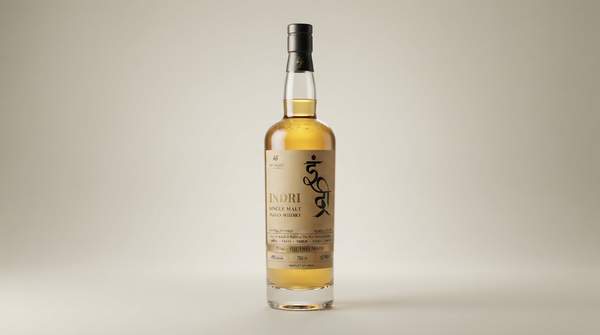
The trophy cabinet tells the story. At the World Whisky Masters in the UK — one of the industry's most closely watched competitions — India's Godawan clinched a Master Medal, while a year earlier, at a blind tasting at the Las Vegas Global Spirits Awards, Indri took the Best World Whisky title. Amrut, meanwhile, is widely credited as the pioneer that put Indian single malt on the global map. This article focuses on single malts only, leaving India's large blended-whisky market aside.
Amrut Peated: A Smoky Pioneer
Amrut has been making single malt in Bangalore since the 1980s, and its Peated expression is the bottle most often recommended to Scotch drinkers making the leap to Indian whisky. The production story is genuinely transcontinental: the barley is grown in Scotland, malted and peated to 24ppm at Bairds Malt in Inverness, then shipped to Bangalore for distillation and maturation in ex-bourbon casks.
The result, as tasting notes describe it, is a moderately peated whisky with real character — citrus, black pepper, campfire smoke, and dark caramel, with peat that is present and purposeful but never aggressive. For drinkers who want everything turned up, the Cask Strength version adds considerably more punch and complexity, and is well worth seeking out for a proper sit-down dram. Specific competition medals for the Peated are not part of the record here, but its reputation as the smoky gateway into the category is well established.
Rampur Single Malt: Fruity and Spicy Elegance
Launched in 2016, Rampur Single Malt takes a more classically structured approach. It uses local Indian barley and is distilled in copper pot stills — a traditional method associated with premium whisky, prized for imparting nuanced flavors — before maturation in oak barrels. Crucially, the whisky is non-chill filtered, which means it retains more of its natural oils and flavors, enhancing mouthfeel and preserving the spirit's integrity.
On the palate, Rampur presents fruity, spicy, and oaky notes, with vanilla, honey, and a subtle hint of spices. The Double Cask variant layers in additional spicy richness and woody vanilla before a soft suggestion of peat smoke repeats itself — a smooth, mellow dram that serves as a fine introduction to the category. The awards sit with specific expressions: Rampur Asava was named Best World Whisky in the John Barleycorn Awards, and the brand has been listed among the world's top 100 premium wine and spirits brands.
Godawan: Crafting Desert Flavors
Godawan, distilled at the Alwar distillery in Rajasthan, brings the most distinctive maturation story of the three. Its Series 02 Fruit & Spice matures in cherrywood casks — an unusual choice that sets it apart from the ex-bourbon and standard oak regimens of its rivals. Series 01 and Series 02 have both recently become available to international buyers, marking the brand's arrival on the wider market.
The competition record is emphatic. At the Bartender Spirits Awards 2026, Godawan 02 Fruit & Spice won a Double Gold Medal, Indian Single Malt Whisky of the Year, and Spirit of the Year India, scoring 97 points. The judges' tasting notes describe an inviting nose of vanilla, orchard fruits, and citrus peel, leading to a silky, well-balanced palate with subtle oak, leather, and molasses, culminating in a smooth, refined finish. Bottled at 46% ABV, it is the most decorated of the whiskies compared here.
Indian Single Malts: A Comparative Guide
The table below juxtaposes each whisky's production choices with the flavors those choices produce, revealing how technique drives character across the three bottles.
| Whisky | Key Awards | Distillation & Maturation | Tasting Notes |
|---|---|---|---|
| Amrut Peated | Pioneer of the category; specific medals not detailed in the sources reviewed for this comparison | Scottish-grown barley, peated to 24ppm at Bairds Malt in Inverness; distilled and matured in ex-bourbon casks in Bangalore | Citrus, black pepper, campfire smoke, dark caramel; moderate, purposeful peat |
| Rampur Single Malt | Asava variant named Best World Whisky, John Barleycorn Awards; brand listed among top 100 premium spirits brands worldwide | Local Indian barley, copper pot stills, oak-barrel maturation, non-chill filtered | Fruity, spicy, malty; vanilla and honey; Double Cask adds woody vanilla and soft peat smoke |
| Godawan 02 Fruit & Spice | Double Gold, Indian Single Malt of the Year, and Spirit of the Year India, Bartender Spirits Awards 2026 (97 points) | Single malt from Rajasthan's Alwar distillery, matured in cherrywood casks; 46% ABV | Vanilla, orchard fruits, citrus peel; silky palate of oak, leather, molasses; smooth finish |
Read side by side, the pattern is clear: imported peated barley gives Amrut its smoke, pot-still distillation and non-chill filtration give Rampur its rounded fruit and spice, and cherrywood casks give Godawan its layered vanilla-and-orchard-fruit complexity. One further factor shapes all of them: India's warm climate accelerates maturation compared with cooler whisky regions, allowing rich, bold flavors to develop in a shorter time frame — which is why these malts deliver complexity without lofty age statements.
Choosing Your Indian Single Malt
To select an Indian single malt, consider whether you prefer smoky notes (Amrut Peated), fruity and spicy profiles (Rampur Single Malt), or a complex blend of vanilla, fruit, and oak (Godawan 02 Fruit & Spice), keeping in mind the impact of India's warm climate on their accelerated maturation. Scotch loyalists will feel at home with Amrut's campfire smoke; drinkers who prize texture and approachability should look to Rampur's non-chill-filtered elegance; collectors chasing the strongest current competition record will note Godawan's three titles and 97-point score from 2026.
The measurable test of this guide is simple: the reader's ability to articulate the distinct flavor profiles and production methods of at least two different Indian single malts and identify which aligns with their preferences. If you can explain why Amrut tastes of smoke, Rampur of honeyed spice, and Godawan of cherrywood-kissed fruit — and name which one you'd buy first — you've made the decision this comparison was built to support.
Sources
- India's Homegrown Premium Whiskies Are Winning Top Global Awards - Luxury Tribune
- Masterofmalt
- 5 Indian Single Malts Every Scotch Drinker Needs to Try — The Whiskey Wash
- 12 Indian Whisky Brands, Ranked - Tasting Table
- The 12 Best Indian Whiskies - Tasting Table
- Rampur Asava Indian Single Malt Whisky Awarded 'Best World Whisky’ in John Barleycorn Awards — Pressreleasehub
- Indian Whiskies That Won International Awards in 2026: GianChand, Godawan To Crazy Cock Madhuca III, Here Are 10 — Esquire India
- The World's Best Indian Whisky According To The Bartender Spirits Awards 2026 — The Whiskey Wash