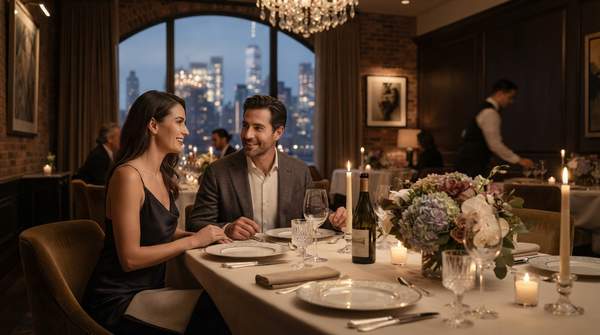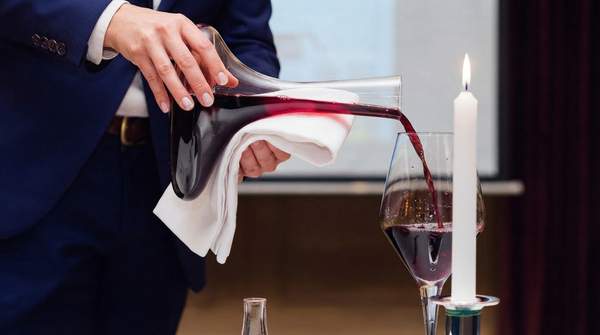
When a sommelier appears at your table, you are seeing only half of the job. The person who recommends a Burgundy for your duck and pours it at the correct temperature is the same person who chose that bottle for the list, negotiated its purchase, stored it in the cellar, and trained the server who first described it. In fine dining, the role splits cleanly into two functions: a guest-facing curator of your experience and a behind-the-scenes manager of the restaurant's entire beverage program. Understanding both changes how you dine—and how you ask for wine.
Introduction: The Sommelier's Evolving Role in Fine Dining
The classic image of the sommelier is the wine steward, a trained and knowledgeable professional who specializes in all aspects of wine service. But the modern description of the role, as outlined by wine-service educators and the Court of Master Sommeliers Americas, stretches well beyond recommending bottles. These professionals are entrusted with creating memorable dining experiences through expertise in wine pairing, storage, and presentation, while their responsibilities also extend behind the dining room into inventory management, staff training, and wine lists built to reflect the restaurant's ethos and clientele.
Restaurant hiring guidance reinforces how broad the job has become. A job description that stops at "curate wine list," according to a sommelier hiring template published by DoorDash's merchant resources, misses the daily reality: the role includes staff education, pairing suggestions, and cellar management, demanding both technical and interpersonal skills. The sommelier must also match the restaurant's concept—whether an upscale fine dining destination or a bistro with a bold natural wine list—shaping the experience to clientele and venue alike.
Part 1: The Guest Experience Curator – At Your Table
The visible half of the role is the one diners experience directly, and it is far more than pouring. Sommeliers are described as providing exemplary service that goes beyond the glass: they engage with guests to understand their preferences and guide them through the dining experience with professionalism and warmth. Every detail, from decanting aged wines to ensuring proper serving temperatures, is handled so that the meal becomes a memorable occasion rather than a series of courses.
Pairing is the centerpiece of this work. A sommelier can suggest pairings that enhance the flavors and characteristics of the dishes being served, an intervention the Court of Master Sommeliers Americas notes leaves guests with an unforgettable experience—and, from the restaurant's perspective, often leads to higher check averages. The skill lies in assessment: the sommelier weighs the flavors, textures, and aromas of both food and wine to recommend combinations that elevate the dish and the drink alike. This is judgment, not recitation, and it is tailored to each table.