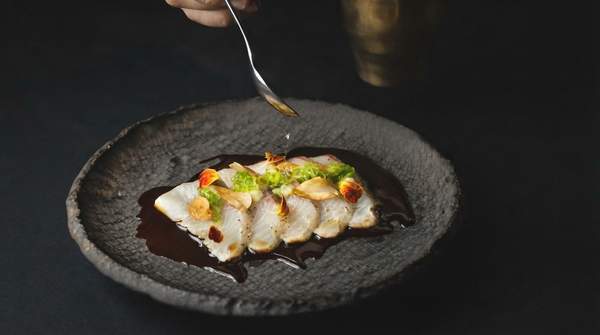
Masayoshi, a 24-seat Michelin-starred omakase counter on Vancouver's Fraser Street, has been named North America's Best Japanese Cuisine Restaurant at the 2026 World Culinary Awards. Chef Masayoshi Baba's intimate sushi spot edged out six other contenders in the category, including Masa New York and KARYU in Miami. The awards organization shared the news in a joint Instagram post with the restaurant, marking the seventh annual edition of the awards.
The Prestige of the World Culinary Awards and Michelin Recognition
The World Culinary Awards celebrate achievement across the international restaurant and hospitality sectors, spotlighting the chefs and dining destinations drawing attention from food lovers worldwide. Winning North America's Best Japanese Cuisine Restaurant 2026 adds a continental distinction to Masayoshi's existing Michelin star, a pairing that few Japanese restaurants in the region can claim.
For Vancouver, the win reinforces a broader showing at this year's awards. Baan Lao in Steveston took North America's Best Restaurant, and Hawksworth Restaurant downtown won North America's Best Fine Dining Hotel Restaurant, making Masayoshi one of three Metro Vancouver names recognized on the same list.
Masayoshi's Award-Winning Culinary Pillars
The award did not arrive in isolation; it reflects a culinary identity that the restaurant has articulated clearly across its own materials and that award bodies have echoed. The table below isolates the five pillars of that identity and shows how they combine into the finished experience.
| Pillar | What it means at Masayoshi | How it reaches the diner |
|---|---|---|
| Guiding philosophy: Wa Shoku 和食 | The restaurant describes Wa Shoku as the harmonious nature and spirit of Japanese cuisine, referencing time-honoured Japanese traditions. | Every creation is built to bring out the utmost umami, timed to the changing seasons. |
| Core technique: Edomae-style sushi | Traditional Edomae-style sushi paired with British Columbia seafood, from seasonal appetizers through to nigiri. | Each course is, in the restaurant's words, "prepared to highlight its natural flavour and texture." |
| Key influence: a decade at Tojo's | After moving to Canada at 26, Baba spent ten years working under Hidekazu Tojo at his renowned restaurant Tojo's. | A trained foundation of craft informs every course presented at the counter. |
| Local adaptation: BC seasonal seafood | The omakase "follows the seasons," sourcing hyper-seasonal seafood from the Pacific Northwest. | Guests encounter a menu that shifts with the region's catch rather than a fixed list. |
| Dining format: the omakase counter | A bespoke, intimate 24-seat experience in which the chef curates and presents each course. | Diners sit at the sushi counter, watching each course being made. |
Read together, the pillars explain the synthesis behind the recognition: Baba's classical Japanese training and Wa Shoku philosophy supply the framework, Edomae technique supplies the method, and British Columbia's seasons supply the raw material, all delivered at a counter small enough that guests watch the entire process unfold before they eat it.
Chef Masayoshi Baba's 'Wa Shoku' Philosophy and Edomae Mastery
The restaurant's own account places Baba's formation in two stages. He moved to Canada at 26 and spent a decade under Hidekazu Tojo at Tojo's, one of Vancouver's most renowned Japanese restaurants. That apprenticeship gave him the classical grounding he now applies at his own counter.
The guiding philosophy he carries forward is Wa Shoku 和食, which the restaurant describes as the harmonious nature and spirit of Japanese cuisine. Under that banner, Baba references time-honoured Japanese traditions while incorporating techniques that transcend Japan's borders, all in service of drawing out the utmost umami from each creation. The Edomae-style sushi at the core of the menu is presented not as novelty but as fidelity: the aim, as the joint award post put it, is preparation that highlights the natural flavour and texture of each ingredient.
Seasonal British Columbia Seafood: A Local Twist on Tradition
What distinguishes Masayoshi from a traditionally sourced Edomae counter is geography. The omakase is described as one that "follows the seasons," pairing Edomae-style technique with British Columbia seafood and running from seasonal appetizers through to nigiri. The restaurant characterizes its creations as hyper-seasonal and innovative, timed to coincide with the changing seasons of its Pacific Northwest home.
That commitment has a practical consequence for diners: there is no fixed menu to consult before booking. Because the menu is seasonal and chef-driven, each visit reflects whatever the region's waters and farms offer at that moment, and the courses on any given night may differ from those of a month earlier or later.
The Intimate Omakase Counter Experience
The format itself is part of the draw. Omakase お任せ, translated as "I leave it up to you," is an age-old Japanese tradition in which a skilled sushi chef curates and presents fresh, flavourful ingredients tailored to each guest's preferences. At Masayoshi, that tradition takes physical form in a 24-seat dining room on Fraser Street.
Guests sit at the sushi counter and watch each course being made as the chef navigates them through a sequence of appetizers and nigiri. The restaurant bills the evening as bespoke and immersive, showcasing the delicate flavours, quality and textures of the finest sushi rather than the à la carte choices of a conventional restaurant. The tasting journey, not a menu selection, is the product.
What the Award Means for Diners and Vancouver's Culinary Scene
Diners interested in high-end Japanese cuisine should anticipate increased demand and potentially more competitive reservations for Masayoshi following this international recognition, which arrives on top of its Michelin star and its inclusion in the same awards cycle that honored two other Metro Vancouver restaurants. The win also reinforces Vancouver's standing, as Breaking Travel News notes, as a destination for serious culinary exploration rather than a single-restaurant story.
Those hoping to book a seat should monitor Masayoshi's reservation availability and any announcements regarding booking policies, since a 24-seat counter with a continental title typically fills quickly. The next measurable signal of the award's impact will be how far out the restaurant's reservation calendar stretches, and whether its booking terms change, in the weeks ahead.
Sources
- GUIDE
- Vancouver Sushi Counter Crowned North America's Best Japanese Restaurant — Noms Magazine
- Masayoshi: Vancouver’s Japanese Culinary Excellence Takes Centre Stage — Breaking Travel News
- Masayoshi