Kering Jewelry Drives Growth Amidst Q1 Decline

Kering's flagship brand, Gucci, saw its revenue plummet 14.

HC
Henry Caldwell

April 16, 2026 · 4 min read

A symbolic split image contrasting the booming Kering jewelry division with the declining performance of Gucci in Q1 2026.

Kering's flagship brand, Gucci, saw its revenue plummet 14.3% in Q1 2026. Yet, the company's jewelry division simultaneously achieved a record 22% growth. The stark divergence between Gucci's 14.3% revenue plummet and the jewelry division's 22% growth reveals a polarized luxury market, where consumers shift spending towards tangible assets.

Kering's overall revenue declined. Its star brand Gucci struggled significantly. But its specialized jewelry and eyewear divisions posted record growth. The conglomerate reported zero comparable revenue growth for Q1 2026, totaling €3.57 billion, a 6.2% year-over-year decline on a reported basis, XTB noted. The conglomerate's zero comparable revenue growth for Q1 2026, totaling €3.57 billion and a 6.2% year-over-year decline, underscores a significant shift in consumer preferences and market dynamics within luxury.

Luxury conglomerates will likely pivot investment and strategy towards resilient, high-margin categories like jewelry and eyewear. Pivoting investment and strategy towards resilient, high-margin categories like jewelry and eyewear offsets volatility in traditional fashion houses. The shift addresses changing consumer preferences, moving away from ephemeral fashion trends and towards enduring value.

What Factors Affect Gucci's Q1 2026 Performance?

Gucci's revenue fell 14.3% to €1.35 billion, or 8% organically. It missed analyst consensus forecasts, XTB reported. Gucci's 14.3% revenue drop confirms persistent challenges in its brand strategy and market positioning. Gucci's underperformance suggests its efforts to meet investor expectations are falling short. The brand's struggles expose a bifurcated market where brand heritage alone is insufficient; value perception and product utility increasingly dictate luxury spending.

Kering's zero comparable growth, despite strong performances elsewhere, points to a systemic issue within its core fashion brands. Companies heavily reliant on traditional luxury fashion, as Gucci's 14.3% revenue fall shows, are vulnerable to shifting consumer preferences. The vulnerability of companies heavily reliant on traditional luxury fashion, as Gucci's 14.3% revenue fall shows, mandates aggressive diversification into more resilient categories, moving beyond mere brand recognition.
Why is Kering Jewelry Experiencing Record Growth?

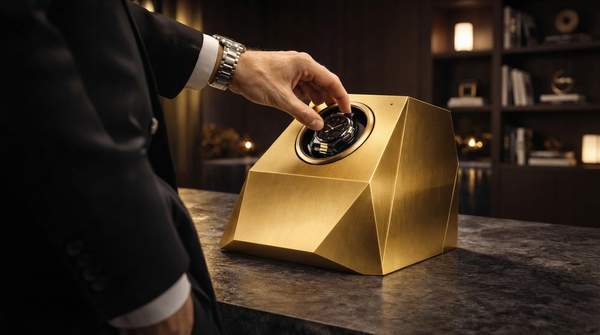
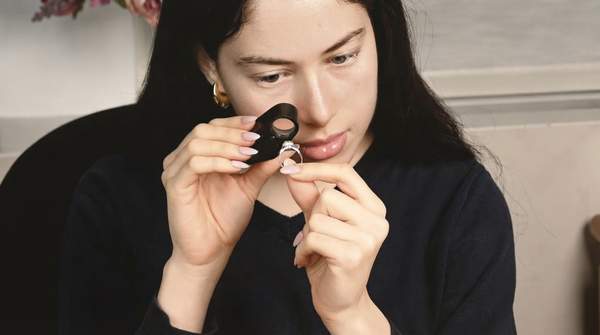
Kering Jewelry achieved record quarterly revenue of €269 million. This marked a 22% increase on a like-for-like basis, XTB reported. Such robust growth confirms strong demand for high-value, enduring luxury items. The segment's resilience amidst broader market volatility indicates consumers prioritize durable, less trend-dependent luxury items over seasonal fashion. The prioritization of durable, less trend-dependent luxury items over seasonal fashion redefines luxury as an investment, not just an indulgence.

The Jewelry division's record performance confirms a strong consumer preference for tangible luxury. Kering's strategic diversification into specialized luxury segments like jewelry is not merely offsetting losses. It actively drives the company's only comparable growth. These segments are becoming indispensable for luxury conglomerates, offering stability that fashion houses currently lack.

How Do Geopolitical Events Affect Luxury Sales?

Kering's retail sales in the Middle East fell by 11% during the quarter due to regional conflict, XTB stated. Regional conflicts directly impact luxury retail. Regional conflicts directly impacting luxury retail add complexity to Kering's market stabilization efforts. The decline confirms that geopolitical factors disproportionately impact traditional luxury fashion purchases, which are often more discretionary.

Companies heavily reliant on traditional luxury fashion, as the 11% decline in Middle East retail sales shows, are vulnerable to geopolitical instability. Accessible luxury categories, however, demonstrate greater resilience. The greater resilience of accessible luxury categories reinforces the strategic imperative for diversification into more stable categories, mitigating regional economic shocks.

Which Kering Divisions Are Driving Future Growth?

Kering Eyewear reported its highest-ever result at €489 million. This represents a 7% increase on a like-for-like basis, XTB reported. The consistent strength of Kering Eyewear confirms that diversified, specialized luxury accessories are becoming increasingly important growth drivers for the conglomerate. Kering Eyewear's consistent strength, confirming that diversified, specialized luxury accessories are becoming increasingly important growth drivers for the conglomerate, dictates strategic directions for Kering, highlighting the power of focused product categories.

The strong performance of both Jewelry and Eyewear confirms these accessible luxury segments actively drive Kering's only comparable growth. Strategic diversification into these areas is crucial for offsetting volatility in traditional fashion houses. The success of these divisions sharply contrasts with the struggles of traditional fashion brands, signaling a fundamental market rebalancing.

Is Kering's Revenue Stabilizing in 2026?

What is Kering's Q1 2026 financial performance?

Kering's revenue performance stabilized in Q1 2026, Investing.com Australia reported. While the company reported zero comparable growth, this stabilization occurred despite a 6.2% reported decline in overall revenue. The underlying performance, however, exposes a complex picture: declining core brands offset by strong niche segments, not a uniform recovery across the portfolio. The underlying performance, exposing a complex picture of declining core brands offset by strong niche segments rather than a uniform recovery, suggests a strategic re-evaluation, not just a market rebound, is underway.

How did the luxury market perform in Q1 2026?

The luxury market in Q1 2026 showed a bifurcated performance. Tangible luxury goods like jewelry and eyewear outperformed traditional fashion. The outperformance of tangible luxury goods like jewelry and eyewear over traditional fashion confirms shifting consumer priorities towards value perception and product utility, rather than brand prestige alone. Geopolitical factors also impacted regional retail sales, particularly in the Middle East, further complicating market dynamics.

Which luxury brands are driving growth in 2026?

Within Kering, the Jewelry division, with 22% comparable growth, and the Eyewear division, with 7% comparable growth, drive significant expansion. These specialized segments are indispensable for luxury conglomerates. They demonstrate greater resilience than core fashion houses like Gucci, acting as vital anchors in a turbulent market.

Kering's Q1 2026 results suggest that if Gucci fails to present a compelling turnaround strategy by Q3 2026, Kering's overall growth will likely remain reliant on its resilient jewelry and eyewear divisions.