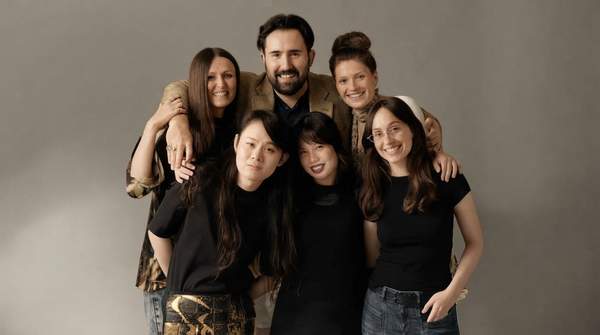
Kering, the luxury conglomerate behind Gucci and Saint Laurent, launched 'House of Wonders,' a new entity. Its first public move involves a minority stake in Chinese luxury brand Icicle. Kering's first public move, a minority stake in Chinese luxury brand Icicle, signals a strategic pivot in global luxury investment. Kering acquired a minority stake in ICCF Group, according to The Business of Fashion. Kering's acquisition of a minority stake in ICCF Group indicates a shift in how major luxury players approach market expansion.
Kering has historically focused on acquiring majority stakes in established global luxury brands. Its latest move, a minority investment in a Chinese brand through this new venture, indicates a significant shift in its growth strategy. This contrasts with previous full acquisitions of Western luxury houses.
Major luxury groups will likely increasingly pursue strategic minority investments in regionally strong brands, particularly in Asia. Strategic minority investments diversify portfolios and tap into new growth engines without the full risks of outright acquisition. Such an approach allows for market entry with reduced capital commitment.
The Details of the Strategic Partnership
- Kering will acquire a minority stake in Shanghai-based Icicle Fashion Group, according to Reuters.
- This acquisition is part of a new partnership with Icicle's Chinese parent, ICCF, according to Retail Insight Network.
- Kering has formed a strategic partnership with ICCF around the flagship brand ICICLE, according to Kering.
Kering's investment constitutes a strategic partnership with the Shanghai-based ICCF Group. The strategic partnership structure emphasizes collaboration and a focus on the flagship Icicle brand. Kering's strategic partnership differs from its traditional full acquisition model. It allows Kering to enter the Chinese market with a local partner.
Kering's New 'House of Wonders' Strategy
The investment in Icicle is part of Kering's new entity, House of Wonders, according to WWD. This new entity specifically invests in emerging brands. The creation of 'House of Wonders' signifies Kering's dedicated initiative to identify and nurture new growth opportunities. This expands beyond its traditional acquisition strategy.
However, Kering's definition of an "emerging brand" appears broader than common understanding. Icicle operates more than 200 stores globally, according to thefashionlaw. Icicle's operation of more than 200 stores globally suggests Kering is strategically partnering with an already established Chinese luxury brand. The move indicates a focus on leveraging existing infrastructure for rapid market penetration.
Kering's deployment of 'House of Wonders' for a minority stake in Icicle signals a calculated pivot. Rather than acquiring Western giants, Kering now bets on co-opting established Chinese luxury brands. This presents a lower-risk, higher-potential path to global diversification.
Profiling Icicle: A Chinese Luxury Contender
Icicle operates more than 200 stores globally, according to thefashionlaw. Icicle's extensive global retail footprint demonstrates its established market presence. The brand also holds potential for further international expansion with Kering's strategic backing. Icicle has built a strong foundation in the Chinese market.
The brand's established scale challenges the idea of it being an "emerging" player in the conventional sense. Kering's choice suggests a strategy to tap into existing brand equity. This accelerates market entry compared to nurturing true startups. Icicle's focus on sustainable luxury also aligns with evolving consumer demands.
Implications for the Global Luxury Market
Kering's investment in Icicle could pave the way for Kering to leverage Icicle's expertise in sustainable luxury. It also expands Kering's footprint in the crucial Asian market. Kering's strategic partnership approach may inspire similar moves from competitors in the luxury sector. Other groups might seek strategic collaborations over full acquisitions.
By opting for a minority stake in Icicle, Kering implicitly acknowledges the unique complexities of the Chinese luxury market. Kering's decision to opt for a minority stake in Icicle suggests that outright ownership might be less effective than strategic partnerships. Such partnerships could better navigate cultural nuances and achieve global expansion. The strategy of strategic partnerships applies to Kering's global portfolio diversification efforts by 2026.
Frequently Asked Questions About the Deal
What is Kering's strategy for acquiring luxury brands?
Kering's strategy involves using its new 'House of Wonders' entity for minority investments. This approach targets established brands in key regional markets, like Icicle in China, to gain rapid market access and leverage local expertise. It allows Kering to test new growth avenues and diversify its portfolio without the full capital commitment or integration risks of outright ownership. This shift moves away from Kering's historical focus on majority acquisitions of Western luxury brands.
How will Kering's investment in ICICLE impact the luxury market?
Kering's investment in Icicle signals a potential shift in the global luxury market's approach to expansion and collaboration. It highlights the growing importance of established local brands in emerging markets, particularly China. This move may encourage other luxury conglomerates to pursue similar strategic partnerships with non-Western brands, fostering more diverse luxury portfolios globally. It also validates the potential for Chinese luxury brands on the international stage.