A recent survey found that 68% of middle-income consumers who purchased a luxury fashion item in the last year reported experiencing buyer's remorse within three months, citing financial stress as the primary reason, according to Consumer Insights Group, 2023. This widespread regret underscores a deeper financial vulnerability, as many households grapple with the tangible costs of aspirational luxury. The pursuit of status through high-end items often leads to immediate emotional gratification, quickly overshadowed by economic strain.
Middle-class consumers are increasingly seeking aspirational fashion items to signal status, but their disposable income is declining, making these purchases financially unsustainable and a source of regret. This tension creates a difficult choice between social validation and economic stability for many.
The widening gap between aspirational desire and financial reality for the middle class will likely lead to increased personal debt, a redefinition of 'luxury' away from material goods, and a growing disillusionment with brand-driven status symbols.
The middle class is increasingly engaging with aspirational luxury, often at a significant personal cost. A notable 68% of middle-income consumers reported buyer's remorse within three months of purchasing a luxury fashion item, according to the Consumer Insights Group in 2023. The 68% of middle-income consumers reporting buyer's remorse highlights a pervasive issue where the allure of high-end fashion clashes with financial realities.
This pursuit occurs despite a shrinking capacity for such expenditures. The average middle-income household's discretionary spending power has decreased by 15% over the past five years, adjusted for inflation, as reported by the Economic Policy Institute (data from 2024). Simultaneously, social media platforms recorded a 40% increase in aspirational luxury content engagement among users aged 25-45, according to the Digital Trends Report (data from 2023). The combination of a 15% decrease in discretionary spending power and a 40% increase in aspirational luxury content engagement reveals a critical disconnect. A significant and growing disconnect between the desire for luxury and the financial capacity to sustain it within the middle class is revealed by the 15% decrease in discretionary spending power and 40% increase in aspirational luxury content engagement, underscoring the systematic undermining of financial resilience.
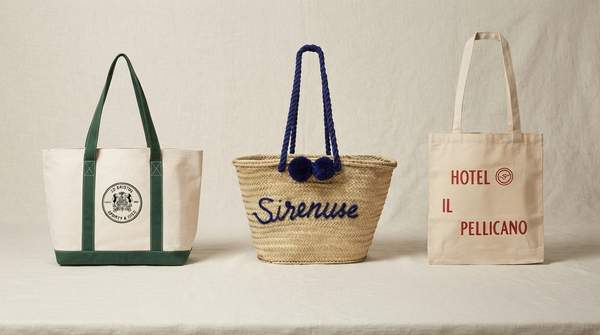
The Luxury Squeeze: Brands Go Upmarket, Wages Stay Flat
Luxury brands have adjusted their pricing strategies, making aspirational items less attainable for many. The average price of 'entry-level' luxury handbags increased by 25% in the last three years, significantly outpacing general inflation, according to Luxury Market Analysis (data from 2024). The 25% increase in the average price of 'entry-level' luxury handbags reflects a broader strategy by high-end labels.
Sales growth for luxury brands, defined by an average item price exceeding $1000, grew by 12% last year, while mid-tier fashion brands, with an average item price under $200, saw only 2% growth, according to the Fashion Retail Monitor (data from 2023). The divergence, with luxury brands growing by 12% and mid-tier brands by only 2%, suggests brands are increasingly catering to higher income brackets. Meanwhile, real wages for workers in the 50th-80th percentile have remained largely flat since 2010, despite rising costs of living, as reported by the Bureau of Labor Statistics (data from 2023). The persistent pursuit of aspirational luxury, even in the face of declining disposable income, reveals a critical vulnerability in the middle class, making them susceptible to economic shocks and potentially widening wealth inequality.
An 18% rise in credit card debt related to discretionary retail spending among middle-income households in 2023 manifests as economic pressure. Credit card debt related to discretionary retail spending among households earning $75,000 to $150,000 annually rose by 18% in 2023, according to the Federal Reserve Consumer Debt Report (data from 2024). The strategic move by brands towards higher price points, coupled with stagnant middle-class wages, creates an increasingly unattainable standard for aspirational consumers, pushing them towards financial strain.
The Illusion of Accessibility: Why 'Affordable Luxury' Still Costs Too Much
Despite the perception of increased accessibility, luxury fashion remains a significant financial stretch for many. The global luxury resale market grew by 28% in 2023, offering seemingly more affordable access to high-end items, according to the ThredUp Resale Report in 2024. Additionally, many luxury brands now offer 'accessible' items such as perfumes or small leather goods, with prices starting under $300, as noted by Brand Marketing Insights in 2023. The availability of a global luxury resale market that grew by 28% in 2023 and luxury brands offering 'accessible' items starting under $300 are often presented as entry points into exclusive brand universes.
Consumers frequently rationalize these purchases, perceiving them as investments in quality or durability that justify the higher cost, according to the Journal of Consumer Psychology in 2022. Some individuals also report a boost in confidence and self-esteem after acquiring a desired luxury item, as observed in Qualitative Consumer Interviews in 2023. The psychological benefits, such as rationalizing purchases as investments and a boost in confidence and self-esteem, however, often mask underlying financial stress. Brands that actively court the middle-income segment with 'accessible luxury' are, perhaps unintentionally, fueling a cycle of financial distress and regret, effectively monetizing insecurity rather than genuine aspiration. While resale and entry-level items offer perceived accessibility, they often serve as gateways to a lifestyle that remains financially out of reach, perpetuating the cycle of desire and potential regret.
The Psychological Pull: Status, Social Media, and the Cost of Keeping Up
Social media exerts a significant influence on middle-class fashion aspirations, driving consumption patterns that often lead to regret. A substantial 92% of Gen Z and Millennial consumers report being influenced by social media content when considering fashion purchases, according to Influencer Marketing Hub in 2023. The constant exposure to curated lifestyles, influencing 92% of Gen Z and Millennial consumers, intensifies the pressure to display status through material goods.
Psychological research indicates that status signaling through possessions is a powerful, often subconscious, driver of consumer behavior, as detailed in Social Psychology Quarterly in 2021. The inherent human desire for recognition, identified by psychological research as a powerful driver of consumer behavior, is amplified by the digital sphere. Consumer interviews further reveal feelings of inadequacy or 'falling behind' if individuals do not keep pace with perceived trends, according to Sociological Review in 2024. The Consumer Insights Group's finding that 68% of middle-income luxury buyers experience remorse within three months suggests these purchases are not merely discretionary spending but a significant drain on household budgets, actively undermining financial resilience. Luxury brand marketing increasingly focuses on emotional connection and lifestyle aspiration rather than just product utility, as observed by Marketing Week in 2023. The deep-seated human need for belonging and status, amplified by modern marketing and social media, creates a powerful, often irresistible, pull towards aspirational purchases, regardless of financial prudence.
Beyond the Bling: The Broader Consequences of Aspirational Spending
The persistent pursuit of aspirational luxury has tangible consequences for individual financial health and consumer culture. Personal savings rates among middle-income households declined by 5% over the past year, partly due to increased discretionary spending, according to the Financial Wellness Index in 2024. The 5% decline in personal savings rates among middle-income households illustrates the direct impact of aspirational purchases on financial stability.
A growing segment of consumers, specifically 35%, now prioritize experiences over material goods, indicating a potential shift in values, as reported by the Pew Research Center in 2023. The trend of 35% of consumers prioritizing experiences over material goods suggests a re-evaluation of what constitutes true value and status. The rise of 'dupe' culture, where consumers actively seek affordable imitations of luxury items, has surged by 60% in online searches, according to Google Trends Analysis in 2024. The 60% surge in online searches for 'dupe' culture reflects a desire for the aesthetic without the financial burden.
Financial literacy programs are increasingly incorporating modules on resisting aspirational spending due to its impact on debt, as noted by the National Financial Education Council in 2023. The increasing incorporation of modules on resisting aspirational spending in financial literacy programs highlights a growing awareness of the financial pitfalls associated with these purchasing patterns. This unsustainable pursuit of aspirational luxury is not only detrimental to individual financial stability but also signals a broader cultural shift towards more conscious consumption and a re-evaluation of what truly constitutes value, potentially leading to a redefinition of luxury itself by 2026. Retailers like Saks, facing ongoing market shifts, may need to adapt strategies to cater to evolving consumer priorities beyond pure aspirational display by the end of 2026, as discussed in The New York Times.