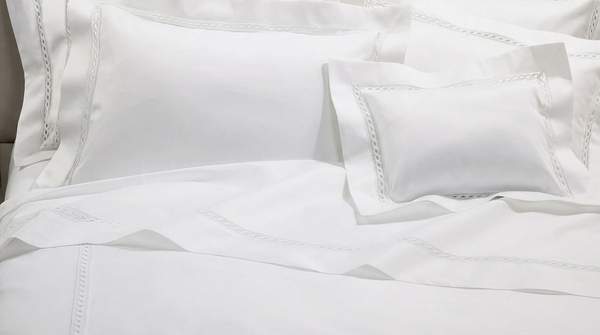
A 17th-century baroque palace in Milan, Palazzo Acerbi, will host the unveiling of a new furniture collection by acclaimed designer Kelly Wearstler for H&M Home during Milan Design Week 2026. This collaboration aims to offer high-end design at an accessible price, merging historical grandeur with mass-market reach, as reported by Wallpaper. Wearstler intends to maintain signature quality within this accessible framework, democratizing sophisticated aesthetics for a broader consumer base.
This strategic expansion into broader consumer markets for high-end design stands in stark contrast to the luxury real estate sector. The property market continues to establish new, exclusive price records globally. This dual evolution redefines luxury, highlighting a tension between accessibility and exclusivity.
Luxury's definition is expanding to encompass both aspirational affordability in goods and ultra-exclusive investments in tangible assets. This creates a two-tiered market, poised for sustained growth despite economic shifts. Luxury now signifies both an aesthetic experience and an untouchable, appreciating asset.
The Unstoppable Ascent of Ultra-Luxury Homes
High-end properties along the southeastern North Carolina coast maintained strong momentum throughout 2026, defying broader market trends, according to Wrightsville Beach Magazine. The most expensive home sold was 2203 North Lumina Avenue, commanding $9 million on August 12. This sale confirms robust demand within exclusive real estate segments, operating in a distinct financial ecosystem largely disconnected from general housing market fluctuations.
Southeastern North Carolina's luxury markets consistently achieved new highs post-Covid, insulated from economic pressures affecting other housing sectors. Ultra-wealthy buyers appear unaffected by elevated interest rates or economic headwinds, often completing transactions with substantial cash reserves. Their robust purchasing power ensures continued market activity, transforming luxury homes into untouchable assets and enduring status symbols, suggesting a distinct economic principle at play for this demographic.