Richemont's jewelry brands alone surged by 14% to $19.2 billion, propelling the luxury conglomerate to an 11% overall sales increase in fiscal year 2025, according to Robb Report. This robust performance, largely fueled by strong demand for high-end precious stones, confirms a financially strong year for the luxury group, significantly boosting Richemont's revenue in fiscal year 2025.
Despite this impressive 11% overall growth, the surge is almost entirely concentrated in Richemont's jewelry division. Other segments showed minimal progress, exposing a critical imbalance in the company's revenue streams.
Based on the evidence, Richemont will likely continue to prioritize and invest heavily in its jewelry maisons, potentially leading to further strategic adjustments or divestments within its slower-growing watch and fashion portfolios.
Richemont's Jewelry Division Drives Growth
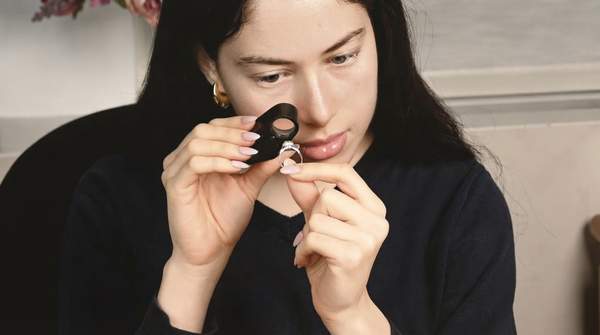
Richemont's jewelry brands—Cartier, Van Cleef & Arpels, Buccellati, and Vhernier—saw a combined sales increase of 14 percent, reaching $19.2 billion, reports Robb Report. This substantial figure alone accounts for over 70% of Richemont's total revenue, which stood at approximately $26 billion in fiscal year 2025, according to the same source. The division's overwhelming contribution underscores its singular importance. However, Rapaport indicates Richemont's jewelry sales increased by 8% for the full fiscal year, presenting a notable discrepancy in reported growth figures.
The segment's sales accelerated further, with a +16% growth in Q4, notes Seeking Alpha. The consistent double-digit expansion confirms the jewelry division as the undisputed primary engine of Richemont's overall success. Its sustained momentum suggests a deeper market penetration and brand loyalty that other segments struggle to replicate.
Stagnant Sales for Watches and Fashion
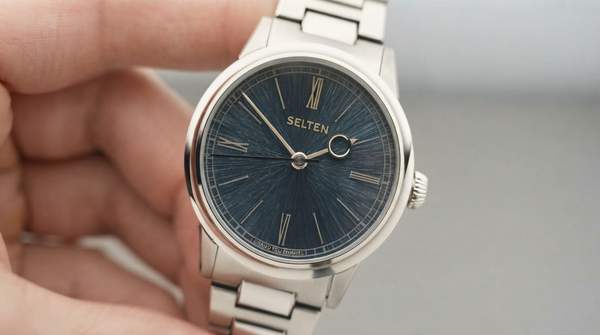
Richemont's watch-specific brands generated approximately $3.6 billion in sales, marking only a 1 percent increase year-over-year, according to Robb Report. The negligible growth stands in stark contrast to both the broader luxury market's resilience and Richemont's own robust jewelry performance. It suggests a fundamental challenge in capturing renewed interest or adapting to evolving consumer preferences within the watch sector.
Sales for Richemont's fashion and accessories brands also rose modestly, increasing by 3 percent to $3.1 billion, Robb Report reports. The stark disparity confirms that while jewelry thrives, other significant luxury segments within Richemont are experiencing near stagnation. The implication is clear: these divisions are not merely underperforming; they are failing to leverage their brand equity into meaningful market expansion.
Understanding Richemont's Strategic Choices
Based on Robb Report's data, Richemont's 11% overall growth is largely a 'jewelry illusion,' with its watch and fashion divisions effectively flatlining at 1% and 3% growth respectively. The data points to a critical failure to innovate or capture market share beyond its precious stones, raising questions about the long-term viability of a diversified luxury portfolio without balanced investment.
The stark contrast between the jewelry maisons' 14% growth and the watch division's mere 1% increase, as reported by Robb Report, confirms Richemont's current status as a one-trick pony. The precarious reliance leaves the conglomerate dangerously exposed to any future softening in high-end jewelry demand, necessitating urgent diversification strategies.
Richemont's Future Market Position
Richemont's disproportionate dependence on its jewelry brands, underscored by an accelerated 16% growth in Q4, renders the company highly vulnerable to shifts in consumer demand for high-end jewelry. The singular focus, while currently profitable, limits its agility and market resilience, signaling a potential strategic misstep in neglecting other luxury segments.
The conglomerate's watch and fashion divisions are not merely underperforming but are effectively stagnant. The stagnation represents a critical failure to translate established brand prestige into meaningful sales growth in these core luxury categories. Without significant strategic intervention, these segments risk becoming perpetual drains on resources, further cementing the jewelry division's unchallenged dominance.
Understanding Richemont's Financial Health
Richemont reported total revenue of approximately $26 billion over the last 12 months, according to Robb Report. However, Seeking Alpha states the company's sales reached €22.4 billion for fiscal year 2025. The discrepancy, likely reflecting varying reporting periods or currency conversions, makes precise direct comparisons challenging without further clarification. Such inconsistencies can obscure a clear financial picture for investors.
Given the current trajectory, Richemont will likely continue to heavily favor its jewelry maisons, such as Cartier and Van Cleef & Arpels, further cementing their dominance, while its watch and fashion brands face increasing pressure to innovate or risk becoming strategic liabilities.