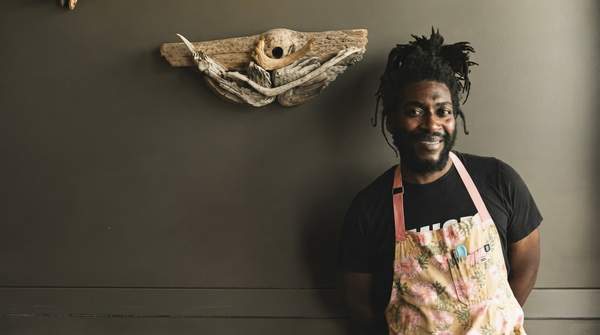
Manila restaurant FLOW is the Philippines' only new MICHELIN Star for 2027, leading a selection of 127 establishments that marks the country's second year in the famed guide and its largest recognition yet. Unveiled on October 29 at a ceremony at the Manila Marriott Hotel at Newport World Hotels and Resorts, the 2027 edition adds 19 recognized venues to the 108 listed in the inaugural 2026 guide—growth concentrated in the Bib Gourmand and MICHELIN-Selected tiers rather than at the star level.
The star count rises only modestly: the guide now lists ten starred restaurants, with Helm by Chef Josh Boutwood retaining its place as the country's sole two-star destination and the eight one-star recipients from 2026 keeping their distinctions. For a national tourism strategy built around food, the significance lies as much in the breadth of the expansion as in any single award.
Philippines' Culinary Ascent in the MICHELIN Guide 2027
Two years into MICHELIN's presence, the guide's footprint now spans Manila, Cebu, Pampanga and Cavite, and the announcement carried enough weight to draw President Ferdinand Marcos Jr., First Lady Liza Araneta-Marcos and Department of Tourism Secretary Dita Angara-Mathay to the ceremony. The selection of 127 establishments confirms the trajectory observers noted when the guide first launched: a dining scene maturing quickly enough that a second edition could add nearly twenty venues across its categories in a single year.
The scale matters beyond bragging rights. A wider guide means more entry points for travelers—more affordable Bib Gourmand picks and MICHELIN-Selected venues alongside the starred fine dining—spread across regions rather than concentrated in the capital.
Key Distinctions: New Stars and Special Recognitions
FLOW is the headline name of 2027, promoted into the one-star tier as the sole new starred restaurant. The eight restaurants that earned one star in the 2026 edition all retained it, and Helm by Chef Josh Boutwood held on to two stars, remaining the only restaurant in the country at that level.
The lower tiers absorbed most of the growth. MICHELIN counts 31 Bib Gourmand establishments in the 2027 guide, of which 8 are new and 2 were promoted from the MICHELIN-Selected list. Another 86 restaurants appear as MICHELIN-Selected, 18 of them new. The guide also introduced special recognitions alongside the new press release, including an Opening of the Year Award, according to MICHELIN.
MICHELIN Guide Philippines: 2026 vs. 2027 Selection Growth
The table below compares the two editions category by category, using the official counts announced by MICHELIN. The net changes show where the guide's expansion actually occurred: star-level recognition stayed nearly flat, while value-driven and recommended tiers grew sharply.
| Award Category | 2026 Count | 2027 Count | Net Change |
|---|---|---|---|
| Two MICHELIN Stars | 1 | 1 | 0 |
| One MICHELIN Star | 8 | 9 (1 new) | +1 |
| MICHELIN Bib Gourmand | 25 | 31 (8 new, 2 promoted) | +6 |
| MICHELIN-Selected | 74 | 86 (18 new) | +12 |
| Total Establishments | 108 | 127 | +19 |
Two features of this comparison deserve emphasis. First, the one-star total rose by exactly one because every 2026 star was retained—stability, not churn, at the top. Second, more than half of the net growth landed in the MICHELIN-Selected tier, which functions as the guide's widest and most accessible tier of recognition.
Culinary Trends: Reflecting Filipino Identity and Innovation
MICHELIN's own commentary frames 2027 as a year of consolidation around local identity rather than imported technique. Across Manila, Cebu, Pampanga and Cavite, inspectors observed chefs drawing inspiration from local ingredients, traditions and regional heritage, with a new generation of culinary talent elevating the country's gastronomic landscape.
Since the guide's introduction in 2026, inspectors report seeing "greater consistency, technical confidence, and a deeper engagement with local ingredients and culinary history" across the regions. In practical terms, that means the recognized kitchens are increasingly cooking Filipino—rooted in regional products and culinary history—rather than approximating European templates, and doing so with growing assurance.
Impact on Gastronomy Tourism: A National Strategy
For the Department of Tourism, the guide is not merely a culinary scorecard but an instrument of economic policy. Tourism Secretary Dita Angara-Mathay has said culinary recognition goes beyond restaurant prestige: it can create employment opportunities, strengthen local businesses, and encourage travelers to discover destinations through food.
The department positions gastronomy tourism as a way to diversify the country's offerings beyond its internationally known beaches and island destinations. Food-focused travel encourages visitors to spend more time exploring local communities, experiencing regional specialties, and supporting restaurants, farmers, food producers and hospitality businesses. The government is also working to improve infrastructure and strengthen air and sea connectivity to make more destinations accessible to domestic and international travelers.
Recognition of chefs whose achievements combine international experience, professional training and a strong connection to Filipino food culture feeds the same strategy, building the country's reputation as a culinary destination on multiple fronts.
Translating Recognition into Sustainable Gastronomy Tourism
The Philippines' Department of Tourism and culinary sector should focus on translating the international recognition from the MICHELIN Guide into sustainable, long-term opportunities for local businesses and cultural promotion. The 2027 selection puts a sharper question in front of policymakers: with star-level growth nearly flat and the guide's expansion concentrated in accessible tiers, can the country convert broad recognition into durable demand?
Success will be measured in increased international tourist arrivals specifically for culinary experiences, growth in local food-related enterprises, and continued positive mentions of Filipino cuisine in global media. The expansion also creates an opportunity to introduce more travelers to Filipino dishes and cooking traditions that reflect the country's diverse cultural heritage. The next milestone to watch is the 2028 edition: whether the one-star tier moves beyond its current ten restaurants, and whether the guide's regional footprint extends beyond Manila, Cebu, Pampanga and Cavite, will show whether 127 establishments is a plateau or a step toward establishing Filipino cuisine as a compelling reason to travel.
Sources
- The MICHELIN Guide Manila and Environs & Cebu 2027 Selection Reveals All… — Prnewswire
- The MICHELIN Guide Philippines 2027: Full List of Restaurants — Rolling Stone Philippines | Music, Culture, Social Issues
- MICHELIN Guide Philippines 2027 Recognizes 127 Restaurants, Highlighting the Country’s Growing Food Tourism Scene — Out of Town Blog