How to Research and Value Antique Jewelry for Collectors in 2026

If a magnet sticks to an antique necklace, or wearing a ring turns your skin green, you're likely holding a fake, not a genuine treasure.

HC
Henry Caldwell

April 17, 2026 · 6 min read

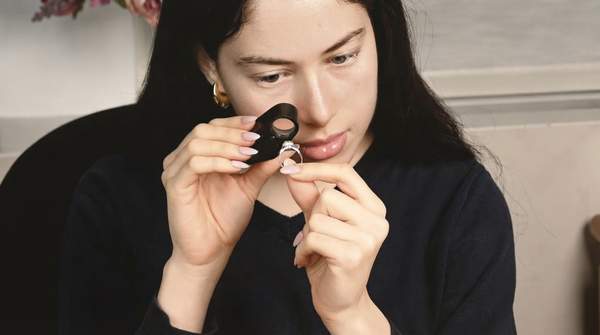
Close-up of an antique necklace being examined with a magnifying glass, revealing intricate details and hallmarks, in a vintage jewelry shop setting.

If a magnet sticks to an antique necklace, or wearing a ring turns your skin green, you're likely holding a fake, not a genuine treasure. These simple reactions often signal the presence of base metals or plating, immediately disqualifying a piece from true antique jewelry status. Such rudimentary tests offer a preliminary filter, yet they barely scratch the surface of authenticating complex pieces.

Many antique jewelry pieces appear valuable, but their true worth is often hidden in tiny, easily overlooked marks. Superficial appeal can be deceptive, masking low-purity alloys or cleverly fabricated imitations. Collectors often find themselves navigating a market where visual charm can overshadow critical indicators of genuine value.

Savvy collectors who invest time in learning to identify these subtle indicators will gain a significant advantage in the market and avoid costly mistakes. True authentication of antique jewelry hinges entirely on the meticulous deciphering of specific, often tiny, purity stamps and hallmarks, rendering superficial appearance and even common 'fake' tests insufficient for discerning genuine value from sophisticated imitations.

The Hidden Language of Hallmarks

Currently, the global market for antique jewelry continues to emphasize verifiable authenticity. Identifying genuine antique jewelry requires meticulous attention to detail, moving beyond initial visual assessments. Collectors who rely solely on visual appeal or simple 'magnet tests' risk significant financial misjudgment, as genuine value in antique jewelry is meticulously hidden within precise numerical purity stamps like '.417' for 10K gold or '750' for 18K gold, which differentiate authentic pieces from clever imitations.

A hallmark will indicate the type and quality of the metal in question, according to Antique Jewellery Company. These tiny marks are the first line of defense against misrepresentation, offering a direct window into a piece's true composition. Understanding these minute engravings is crucial for anyone seeking to research and value antique jewelry.

This reliance on hidden marks challenges the notion that overall condition is the primary assessment, as a well-maintained fake can still mislead. Authentication primarily involves deciphering these specific purity stamps and hallmarks, which provide a precise measure of precious metal content, rather than relying on general appearance.
Deciphering Purity Stamps: Gold, Silver, and Platinum

Gold antique jewelry frequently bears specific karat stamps such as '10K' for 41.7% pure gold. Understanding these specific numerical and karat stamps is fundamental to accurately determining the precious metal content of any antique piece. Many assume 'gold' jewelry implies a high precious metal content, yet 10K gold, a legally recognized standard, contains less than 42% actual gold (41.7%), making it closer to an alloy than pure gold.

Gold purity marks include 10K (41.7% gold), 14K (58.5% gold), 18K (75% gold), 22K (91.6% gold), and 24K (99.9% gold), as detailed by Bryn Mawr Jewelry. European gold purity marks often use '750' for 75% gold, while Indian gold purity marks frequently use '916' for 22K gold. This global diversity means collectors must possess an international understanding of hallmarking conventions, as the absence of a familiar mark doesn't necessarily indicate a fake, but rather a different origin.

Silver purity marks include '925' for Sterling silver (92.5% silver), '800' for 80% silver, and '950' for Britannia silver (95% silver), according to Bryn Mawr Jewelry. Platinum purity marks include '900' for 90% platinum, '950' for 95% platinum, and '999' for Pure Platinum (99.9% platinum). The global tapestry of hallmarking, from European '750' to Indian '916', means that true expertise in antique jewelry authentication demands an international lexicon of marks, challenging collectors to look beyond familiar conventions to accurately assess provenance and purity.

Spotting Fakes: Red Flags and Common Deceptions

Stamps like 'GF' or 'HGP' on antique jewelry pieces immediately signal that the item is gold-plated, not solid precious metal. A stamp of 'GF' or 'HGP' indicates that the piece is gold-plated, not pure gold, according to Jacqueline's Fine Jewelry. Gold and silver are not magnetic; if a magnet sticks to a piece of jewelry, it may indicate fake material underneath. Beyond identifying genuine marks, recognizing these red flags can prevent collectors from acquiring misrepresented or low-value items.

If wearing jewelry turns your skin green or causes irritation, it is likely a fake piece as genuine gold and silver will not react with the skin, Jacqueline's Fine Jewelry states. While simple tests like magnetism or skin discoloration can flag obvious fakes, they are inadequate for confirming true purity or distinguishing between solid karated gold and sophisticated gold-plated items, which require precise identification of numerical stamps like '.417' or 'GF'.

Uninformed buyers risk overpaying for fake, plated, or low-quality antique jewelry when they neglect these crucial indicators. The presence of specific numerical stamps, such as '.417' for 10K gold or '.585' for 14K gold, provides a precise percentage of precious metal content, offering a far more reliable and granular authentication than a general 'gold' designation or the absence of simple 'fake' indicators.

Beyond the Stamp: Assessing Overall Condition

Checking the ring shank for wear, the gallery for splits, and stones for chips or damage forms the initial physical assessment for antique jewelry. The overall condition of a piece of vintage or antique jewellery is the first thing to assess, including these specific checks, according to Antique Jewellery Company. While specific purity marks remain paramount for authentication, the physical integrity of an antique piece also contributes to its overall market desirability.

A thorough physical inspection, beyond just hallmarks, provides crucial context for a piece's age, wear, and overall integrity. This assessment complements the deciphering of purity stamps, offering a holistic view of the item's state. It helps distinguish between pieces that have been well-preserved versus those requiring significant restoration, impacting their market value.

Evaluating the craftsmanship and any signs of repair also offers insights into the piece's history and potential value. Collectors should look for consistency in design elements and consider how wear patterns align with the supposed age of the jewelry. This layered approach ensures no critical aspect of authentication is overlooked.

Common Questions About Jewelry Stamps

What makes antique jewelry valuable?

Beyond purity marks, the value of antique jewelry often stems from its historical period, unique design, and the rarity of its gemstones. Pieces from specific eras like Art Deco or Victorian, possessing exceptional craftsmanship or a documented provenance, command higher prices in the collector's market.

Where can I get antique jewelry appraised?

For a formal valuation, collectors should seek out certified gemologists or appraisers specializing in antique and period jewelry. Organizations like the Gemological Institute of America (GIA) or the American Society of Appraisers (ASA) offer directories of qualified professionals who can provide expert assessments.

What are the best resources for antique jewelry collectors?

Collectors can deepen their knowledge through specialized publications, online databases of hallmarks, and university courses focused on art history or decorative arts. Attending reputable antique shows and connecting with experienced dealers also provides invaluable learning opportunities for identifying genuine pieces.

The Collector's Advantage

By 2026, collectors equipped with knowledge of precise purity stamps gain a significant edge in the antique jewelry market. Mastering the art of identifying these intricate details is paramount for any serious collector looking to build a truly valuable and authentic antique jewelry collection. This expertise transforms potential pitfalls into opportunities for informed acquisition.

Savvy collectors who invest time in learning to identify genuine hallmarks and purity stamps are the clear winners in this environment. They possess the critical discernment needed to navigate the complexities of antique jewelry, securing authentic pieces that hold enduring value. This diligence protects against the financial misjudgment faced by those who rely on superficial appearances.

As the market for antique jewelry continues to evolve, the ability to discern genuine value from sophisticated imitations will define successful collecting strategies for decades to come. Major auction houses, such as Christie's, consistently feature pieces with verified provenance, underscoring the enduring demand for authenticated antique jewelry.