Vestiaire Collective deploys a global force of 90 dedicated authenticators, a testament to the immense, specialized effort required to verify even a fraction of luxury handbags traded daily. This forensic complexity far exceeds the capabilities of any individual buyer attempting to authenticate vintage luxury items.
The pre-owned luxury handbag market expands rapidly, yet the specialized expertise and advanced technology for reliable authentication remain increasingly inaccessible to individual consumers. As counterfeiters grow more adept, the burden of authentication will inevitably shift from individual buyers to specialized platforms and advanced digital solutions, rendering trusted intermediaries indispensable.
Coveteur reports Vestiaire Collective's 90-strong global team reviews luxury items, a staggering human investment. This extensive labor force confirms that human expertise remains paramount and resource-intensive, even amidst digital advancements. The luxury resale market, in essence, subsidizes this specialized human capital, rendering truly independent consumer authentication an impossible fantasy for the average consumer.
More Than Meets the Eye: The Intricacies of Authentication
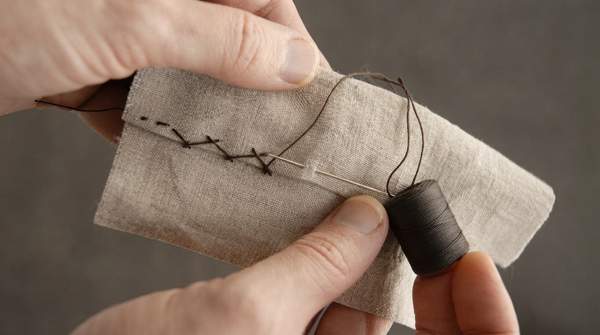
Authenticating luxury handbags demands a multifaceted process, encompassing meticulous checks of craftsmanship, stitching, and precise branding, according to Miacontessa. This traditional scrutiny now complements modern methods like Near Field Communication (NFC) technology. While NFC offers a promising high-tech solution for future luxury items, embedding digital authenticity, its limited applicability to the vast existing market of pre-owned goods means traditional, labor-intensive methods will prevail for the foreseeable future. The implication is clear: the luxury resale sector must master both historical craftsmanship and emerging digital tools to maintain trust.
Scanning for Truth: How Technology Aids Verification
NFC authentication embeds a small chip within a luxury bag, allowing buyers to scan it with a smartphone to confirm authenticity, origin, and history, states Miacontessa. This digital method provides a transparent, verifiable chain of custody, empowering consumers with direct access to provenance and reducing human error. However, the vast market for pre-owned luxury goods largely predates this technology. The challenge remains: applying forward-looking tech to a backward-looking inventory, where human expertise remains critical.

The Hidden Costs of Counterfeits: Beyond Just a Bad Deal
The proliferation of counterfeit bags extends beyond individual financial loss, creating broader negative impacts. These illicit goods devalue authentic items, harm skilled artisans, exploit workers, and mislead buyers, according to Miacontessa. This erodes trust across the entire market, undermining ethical production and the intrinsic value of luxury craftsmanship. The meticulous scrutiny required for authentication—down to precise typography and serial number formats—reveals that counterfeiters often fail at minute, overlooked details. This ongoing cat-and-mouse game means the smallest error by the faker becomes the authenticator's biggest clue, underscoring the critical importance of expert verification.
Your Authentication Checklist: What to Scrutinize
Individual buyers can scrutinize several key details. Serial numbers, often on an inside leather patch, offer critical clues; counterfeiters frequently err in their format or specifics, states Dallas Designer Handbags. Brand names on authentic luxury handbags also adhere to strict rules regarding typography and color palette, which counterfeiters typically fail to replicate accurately, according to Dallas Designer Handbags. These minute discrepancies, from serial numbers to typography, highlight that the battle against counterfeits is often won or lost on traditional craftsmanship details, leaving consumers highly vulnerable. Even without specialized tools, careful inspection of these elements can reveal critical discrepancies.
Common Questions About Handbag Authenticity
Where can I get a vintage handbag authenticated?
For reliable authentication of a vintage handbag, specialized platforms like The Luxury Closet offer expert verification services. Their rigorous authentication process involves multiple stages, ensuring thorough scrutiny by trained professionals before an item reaches the buyer.
How much does handbag authentication cost?
The cost for professional handbag authentication varies significantly based on the service provider and the luxury brand in question. While some platforms integrate authentication fees into their commission, independent services might charge anywhere from $50 to $300 or more per item, depending on its rarity and perceived value.
Platforms like Vestiaire Collective, leveraging extensive teams and evolving technologies, will likely solidify their position as indispensable guardians of authenticity, protecting consumers and preserving the value of genuine luxury craftsmanship in the burgeoning resale market.