Every high jewelry setting solves the same problem—holding a gemstone in place—but each solves it differently, and the choice produces a distinct trade-off between security, brilliance, and visual style. A bezel setting encircles the stone in metal for maximum protection at some cost to light entry. A pavé setting paves a surface with small stones held by tiny beads, maximizing shimmer while demanding periodic inspection. An invisible setting, exemplified by the Mystery Set, creates a seamless field of gems through hidden metalwork so complex that it is rated very difficult to repair. Understanding these mechanics is what separates appreciating a piece from merely admiring it.
Pavé Setting: Dazzling Surfaces and Delicate Craft
The name comes from the French word for "paved," because the metal appears to be paved with gems, as Blue Nile's Elizabeth Hadden explains. Each small diamond is secured by tiny beads or prongs, and variations such as micro-pavé, petite pavé, and French pavé offer slightly different levels of shine and visibility. The effect is a continuous shimmer of closely set stones rather than a single focal gem.
That openness is precisely what makes pavé brilliant—and what makes it demanding. Because the stones sit in an open, delicate arrangement, the Gemological Institute of America notes that pavé settings, like prong settings, usually benefit from periodic inspection to ensure the stones remain secure. Jewelers tighten stones by adjusting beads or prongs as needed. Stienhardt's guide frames the trade-off plainly: pavé is best for statement rings and high-brilliance designs, but it needs periodic maintenance to keep stones secure.
Bezel Setting: Robust Protection and Modern Elegance
A bezel setting takes the opposite approach: a metal rim completely surrounds the gemstone, holding it firmly in place. Where prongs are narrow strips of metal that bend over a stone's edges, as GIA's guide to ring settings describes, a bezel encloses the stone's girdle in a continuous band of metal shaped precisely to fit it.
The consequence is durability. Industry comparisons rate the bezel's protection and strength as very high, with repair rated very easy—among the most forgiving settings to service. The cost is optical: enclosed settings surround or embed the stone in metal, trading some light entry for significantly better protection, as José Lux's technical guide puts it. Open means more brilliance and more maintenance; enclosed means more durability and less upkeep. The result is a sleek, contemporary look prized by buyers who prioritize secure, low-maintenance settings for long-term wear.
Invisible (Mystery Set): Seamless Beauty and Masterful Engineering
The invisible setting is the most theatrical of the three: no metal appears between the stones at all, producing what industry descriptions call seamless luxury. Achieving that illusion requires genuine engineering. The stones are arranged closely and secured in a shared setting structure hidden beneath or between them, so the metal framework is concealed while still doing all the holding work.
That concealment comes with two caveats that a collector should weigh. First, the technique is rated very difficult to repair—among the hardest of all setting types—because accessing the hidden structure means disturbing the whole surface. Second, one advanced-setting guide flags a higher risk of chipping compared to traditional settings, since the setting style can leave pointed stone pavilions exposed, which may also catch on fabric or skin. The seamless look, in other words, is bought with fragility and near-irreplaceability.
High Jewelry Setting Techniques: A Comparative Overview
Setting the three techniques side by side makes the trade-offs visible. The ratings below synthesize gemological and industry descriptions of how each setting works, how secure it is, how much light it admits, and how demanding it is to execute and service.
| Technique | How It Works | Gemstone Security | Brilliance / Light Exposure | Best For | Craftsmanship Level |
|---|---|---|---|---|---|
| Pavé | Small stones set closely together, each secured by tiny beads or prongs | Moderate; needs periodic inspection and tightening | High; open design admits ample light for continuous sparkle | Statement rings and high-brilliance designs | High precision across many small stones; repair rated difficult |
| Bezel | Metal rim completely surrounds the gemstone | Very high; full enclosure protects against impact | Reduced; metal covers part of the stone | Everyday wear and sleek, modern designs | Moderate; precise fitting of the rim; repair rated very easy |
| Invisible (Mystery Set) | Stones secured in a shared hidden structure with no visible metal between them | Moderate; higher risk of chipping than traditional settings | High; uninterrupted gem surface | Seamless, luxurious statement pieces | Exceptional; repair rated very difficult |
The pattern that emerges is a clean inverse relationship: as visibility of metal decreases—from bezel to pavé to invisible—brilliance and seamlessness rise, but security and serviceability fall. The bezel anchors the protective end of the spectrum; the invisible setting anchors the aesthetic extreme.
The Craftsmanship Behind the Sparkle
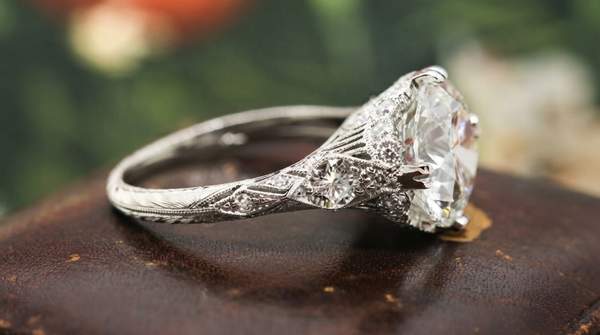
What these comparisons conceal is the labor behind each effect. Pavé demands that a setter align and secure dozens of tiny stones with minuscule beads, each one a potential point of failure if placed imperfectly. Bezel work requires shaping a metal rim to fit a stone exactly, since a loose rim defeats the setting's protective purpose. Invisible settings go further still, requiring the setter to cut and calibrate stones so they interlock over a concealed structure with no visible tolerance.
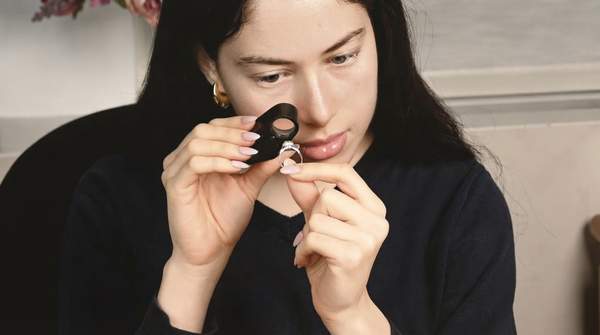
Finished pieces then pass through rigorous polishing and quality control, where artisans inspect every element to confirm gemstones are securely set and metalwork is flawlessly finished, using microscopes and specialized tools to detect imperfections before a piece reaches collectors, as Gray & Sons' craftsmanship account describes. This is why labor intensity, not materials alone, drives the relative cost differences between these techniques: the more stones and the less visible metal, the more hours of skilled handwork a piece embodies.
Choosing Your High Jewelry Setting
When selecting high jewelry, collectors should weigh the desired aesthetic against practical considerations of gemstone security, brilliance, and the inherent craftsmanship of the setting. A bezel suits a piece meant for daily wear; pavé rewards the buyer who accepts maintenance for maximum sparkle; an invisible setting suits a collector who values a seamless surface and accepts difficult repairs and a higher chipping risk.
The observable signal is the collector's ability to articulate the specific trade-offs of each setting—pavé, bezel, invisible—when evaluating a piece of jewelry or discussing it with a jeweler. A buyer who can ask how a pavé band will be inspected and tightened, or why an invisible-set piece carries repair risk, is evaluating craftsmanship rather than appearance alone, and that question is one any competent jeweler should be able to answer concretely.
Sources
- 17 Types of Ring Settings to Know before You Shop — The Blue Nile Blog
- Gemstone Setting Techniques: What Each Method Really Does — José Lux
- 7 Essential Setting Techniques from Classic to Advanced — Thaigemjewelry
- GIA Guide to Engagement Ring Settings — GIA 4Cs
- Types of Diamond Settings: How to Choose the Right One for Your Ring — Stienhardt
- Discover the Elegance of 18k Gold Jewelry: A Jeweler's Craft to Dazzle — GrayAndSons.com