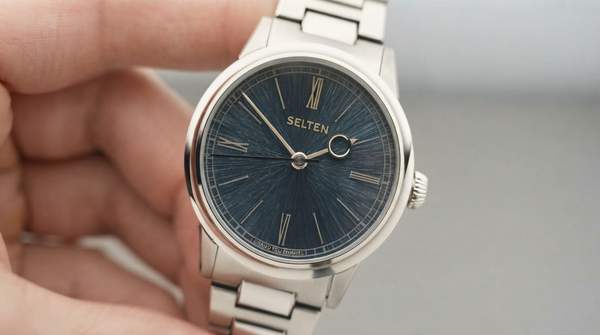
In the exclusive realm of high watchmaking, or haute horlogerie, few decorative crafts command as much reverence as enameling. This ancient art transforms a simple watch dial into a luminous, enduring masterpiece, fusing powdered glass to a metal base at extreme temperatures. The resulting surface possesses a depth and vibrancy of color that is virtually immune to the effects of time. While several traditional methods exist, techniques such as Grand Feu and champlevé represent a pinnacle of manual skill, their presence on a timepiece signifying a profound commitment to artistry and heritage.
Enameling is one of the oldest and most precious crafts in horology, a prized Métiers d’Art beloved by collectors. Its rarity in contemporary watchmaking has made it somewhat enigmatic, a practice reserved for timepieces with a significant price tag. According to the specialist firm Donzé Cadrans, a leader in the field since 1972, the various methods cannot be automated, with 90% of the work performed by hand to achieve the required precision. This dedication to manual artistry, demanding years of training to master, is why enameling remains the preserve of the most esteemed watch manufacturers.
The Enduring Nature of Enamel
At its most fundamental level, enamel is a complex material composed of silica, minium, potash, and soda, which fuses under intense heat to form a vitreous, or glass-like, coating. Since the 16th century, this delicate process has been used to create stunning artistic embellishments for timepieces, transforming them into miniature works of art. The craft requires an artisan to apply thin layers of powdered enamel onto a metal blank, which can be made of copper, silver, or gold. Each layer is then fired in a kiln, a perilous step where the piece can crack or the color can be ruined.
The techniques are unforgiving, with each method presenting unique challenges related to pigments, surfaces, and firing temperatures. Yet, as the luxury watchmaker Vacheron Constantin notes, the magic of the fire ultimately fuses the material to yield colors that are "immune to time’s arrow." This permanence makes enamel a robust and almost unalterable medium. Unlike painted or printed dials that can fade or degrade, a properly fired enamel dial offers vibrant, shimmering colors that retain their brilliance for centuries, contributing to the sense of eternity that defines high horology.