Affluent Consumers Are Shifting Priorities, Slashing Luxury Spending.

Luxury prices in Europe are as much as 61% higher than they were five years ago, yet global luxury spending contracted by 1% to 3% in 2025 at current exchange rates, totaling €1.

HC
Henry Caldwell

April 18, 2026 · 7 min read

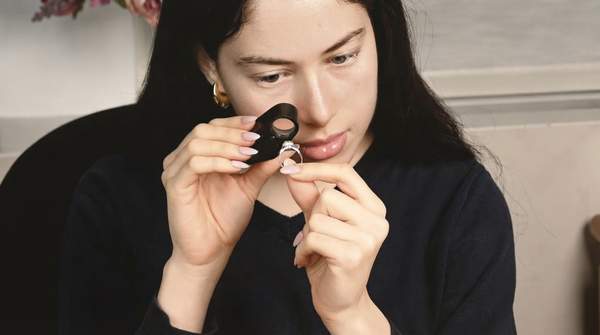
An affluent consumer thoughtfully considering luxury items in a high-end boutique, reflecting a shift in spending priorities amidst rising prices.

Luxury prices in Europe are as much as 61% higher than they were five years ago, yet global luxury spending contracted by 1% to 3% in 2025 at current exchange rates, totaling €1.44 trillion globally, according to Bain & Company. The 61% higher luxury prices in Europe and the 1% to 3% contraction in global luxury spending indicate a market in flux, where escalating costs are not translating into increased consumer outlay, prompting a re-evaluation of value among affluent buyers. The trend suggests that the traditional premium pricing model faces increasing resistance, leading to a contraction in the overall market.

Traditional luxury brands continue to implement aggressive price increases, but affluent consumers are reducing overall spending and actively shifting towards more value-driven alternatives. Sales of personal luxury goods, a core segment of the market, are forecast to total €358 billion in 2025, representing a 2% erosion from 2024, according to Bain & Company. This erosion, following a decline from €369 billion in 2023 to €364 billion in 2024 for global personal luxury goods sales, as reported by Business of Fashion, underscores a broader reduction in high-end purchases.

Traditional luxury brands clinging to aggressive price hikes are on a collision course with a new generation of affluent consumers, a dynamic evident in consumers reducing overall spending and shifting towards more value-driven alternatives. These consumers are increasingly prioritizing value and accessibility over inflated brand prestige. The reasons for reduced luxury spending by affluent consumers in 2026 appear rooted in this fundamental re-evaluation of worth, rather than a mere reduction in overall purchasing power. The market's future belongs to brands that can deliver perceived value and quality without prohibitive price tags.

The prevailing thesis suggests that traditional luxury brands' aggressive price hikes are backfiring, driving affluent consumers away from high-end purchases towards accessible luxury and the resale market. The shift of affluent consumers away from high-end purchases towards accessible luxury and the resale market is reshaping the luxury landscape, forcing established players to rethink their market positioning. The market is not uniformly contracting; rather, it indicates a significant shift in consumer preference towards more attainable luxury items, suggesting a redefinition of 'luxury' itself rather than a complete abandonment of the category.
Why are luxury prices rising while spending falls?

Luxury prices in Europe are as much as 61% higher than they were five years ago, according to Glossy. The substantial escalation in cost for high-end goods, with luxury prices in Europe up 61% over five years, directly correlates with a noticeable contraction in consumer spending on these items. The market’s current state suggests that while brands have pushed price points upward, affluent consumers are not following suit with their purchasing habits, signaling a growing disconnect between perceived value and actual market demand.

The luxury market is experiencing a slowdown due to macroeconomic headwinds and inflationary concerns, leading consumers to reduce discretionary spending and purchase second-hand items, according to J.P. Morgan. The economic pressure from macroeconomic headwinds and inflationary concerns compounds the issue of rising prices, making traditional luxury purchases less attractive. For many affluent consumers, the decision to defer or forgo new luxury acquisitions is a direct response to these broader financial considerations, affecting overall market vitality.

Tourist spending in Europe has decreased due to FX fluctuations, further impacting revenue for luxury brands like LVMH, J.P. Morgan reports. International buyers, a significant segment for European luxury houses, find their purchasing power diminished when currency exchange rates are unfavorable. The reduction in tourist expenditure due to FX fluctuations, combined with domestic consumers re-evaluating their spending, creates a challenging environment for brands that have relied on both local and international demand to justify their escalating price structures. The cumulative effect of these factors is making traditional luxury less appealing, especially for international buyers whose purchasing power is further diminished.

Is accessible luxury growing in 2026?

Despite the broader contraction in personal luxury goods, a distinct counter-trend is emerging within the market: the robust growth of accessible luxury. This segment proved to be the most dynamic in 2025, with approximately 50% of its brands likely to have experienced growth, according to Bain & Company. Affluent consumers are not abandoning luxury entirely but are instead becoming more discerning about where they allocate their spending, favoring brands that offer perceived value and quality at more attainable price points, a trend indicated by the robust growth of accessible luxury, with approximately 50% of its brands likely to have experienced growth in 2025.

The significant price reduction by a major brand like Burberry further underscores this market shift. The average price of Burberry handbags fell 12-18% year-on-year in 2025 across the UK, according to Vogue. The significant price reduction by Burberry, with average handbag prices falling 12-18% year-on-year in 2025, directly contradicts the general narrative of ever-increasing luxury prices and highlights a major brand capitulating to market pressures. While the overall trend for luxury pricing has been upward, some individual brands are already experiencing significant pressure to reduce prices, indicating a market correction is underway for specific segments or brands.

Burberry's strategic adjustment serves as a canary in the coal mine, indicating that even iconic luxury brands are being forced to adapt to a market where consumers are no longer willing to pay any price for status. The future of the luxury market belongs to brands that can deliver perceived value and quality without prohibitive price tags, a trend signaled by the robust growth of accessible luxury, compelling established high-end players to rethink their market positioning. Consumers are still willing to spend on luxury, but only on items that offer perceived value and quality at more attainable price points, leaving traditional high-end brands struggling.

Are affluent consumers shifting priorities away from new luxury?

Affluent consumers are actively seeking alternatives to new, high-priced luxury goods, a trend explicitly evidenced by the widespread adoption of resale platforms. A September 2025 survey by J.P. Morgan Global Research found that 60% of consumers in the U.S. and Europe utilize these platforms for luxury goods, according to J.P. Morgan. The substantial engagement with the secondhand market, evidenced by 60% of consumers in the U.S. and Europe utilizing resale platforms for luxury goods, signifies a profound change in consumer behavior, moving beyond purely economic considerations to embrace more sustainable and value-conscious purchasing strategies.

Consumers are not simply reducing their overall spending, but are actively re-evaluating the value proposition of new luxury items, a trend evident in their significant embrace of resale platforms. The perceived value of acquiring a pre-owned luxury item at a more accessible price point, often in excellent condition, now outweighs the desire for a brand-new purchase for a substantial portion of the affluent demographic. This shift challenges the long-held exclusivity model of traditional luxury, which often relies on the allure of pristine, untouched goods.

A fundamental shift in how affluent consumers acquire luxury, prioritizing smart spending and sustainability over new purchases, is evident in the widespread adoption of resale platforms. Traditional luxury brands clinging to aggressive price hikes are on a collision course with a new generation of affluent consumers who, as J.P. Morgan's data on 60% resale platform usage suggests, are prioritizing value and accessibility over inflated brand prestige. A growing environmental consciousness among luxury buyers, who increasingly consider the lifecycle and sustainability aspects of their purchases, is also reflected in the preference for pre-owned goods, further diverting attention from entirely new productions.

The movement towards resale platforms also highlights a redefinition of luxury itself among affluent consumers. For many, luxury is no longer solely about owning the newest item directly from the boutique, but about smart acquisition, access to a wider range of styles, and often, a more discreet form of consumption. The behavior of affluent consumers engaging with the market through alternative channels directly impacts the sales trajectory of new luxury goods. The reorientation of consumer priorities is a key reason for reduced luxury spending by affluent consumers in 2026, compelling brands to acknowledge and respond to these evolving purchasing patterns.

What challenges face luxury brands in 2026?

The confluence of aggressive pricing, shifting consumer values, and the rise of alternative luxury acquisition channels presents significant challenges for traditional luxury brands in 2026. Brands that continue to rely solely on escalating prices and an aura of exclusivity risk alienating a substantial portion of their affluent customer base. The market data suggests that consumers are actively seeking perceived value and quality at more justifiable price points, compelling established high-end players to rethink their market positioning.

The future of the luxury market belongs to brands that can deliver perceived value and quality without prohibitive price tags, a trend signaled by the robust growth of accessible luxury, with 50% of brands in this segment growing in 2025, according to Bain & Company. This compels traditional luxury houses to innovate beyond mere price increases, focusing instead on craftsmanship, unique experiences, and genuine brand storytelling that resonates with a value-conscious consumer. Simply maintaining high prices based on historical prestige appears to be an increasingly unsustainable strategy.

Burberry's significant price reductions, as reported by Vogue, are a stark indicator that even iconic luxury brands are being forced to adapt to a market where consumers are no longer willing to pay any price for status. This adaptation demands a strategic pivot from the entire industry, moving towards models that integrate value, sustainability, and accessibility, perhaps through more selective product lines or innovative collaborations. The urgent need for traditional luxury brands to adapt their strategies to a market where value, rather than just exclusivity and escalating prices, is increasingly paramount for even the most affluent consumers is clear.

Looking ahead, the luxury market will likely continue to bifurcate, with hyper-luxury segments catering to an extremely exclusive clientele, while the broader affluent consumer base gravitates towards accessible luxury and high-quality pre-owned items. Brands like Hermès, which maintain strict control over production and pricing, might navigate this shift differently than those with mass-market aspirations. By Q4 2026, many traditional luxury brands will face renewed pressure to adjust their pricing models and enhance their value propositions, or risk further contraction in sales as affluent consumers continue to prioritize smarter spending choices.