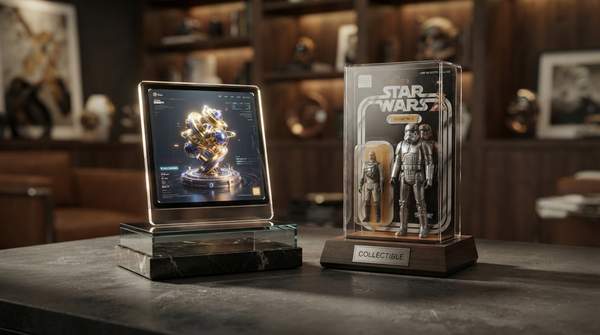
A pristine toy from a popular brand can be among the most valuable collectibles, often surpassing traditionally 'rare' items. A unique blend of widespread market appeal and impeccable preservation drives collector strategies. The market, it appears, values tangible condition over inherent scarcity.
Yet, while market value often dictates interest, a collectible's true enduring worth frequently lies in its intrinsic quality and personal resonance. A tension exists: objective market forces drive price, but subjective connection imbues an item with lasting significance beyond its monetary worth.
Therefore, collectors who cultivate an eye for craftsmanship and personal connection are likely to build more resilient and personally rewarding collections. The most valuable collectibles, according to americancollectors, often boast high-quality craftsmanship and sentimental value. True connoisseurship demands appreciating both tangible excellence and intangible emotional resonance, moving beyond mere monetary worth.
Beyond Rarity: What Makes a Collectible Truly Stand Out
Market value is heavily influenced by an item's original context, its scarcity, and its state of preservation—often more than its age. The enduring appeal of certain collectibles, therefore, lies not just in their inherent rarity, but in their ability to evoke nostalgia and maintain impeccable condition over time, a challenge for mass-produced items.
1. Coins
Best for: Historical enthusiasts, long-term investors
Coin value ties directly to historical significance, metal content, and rarity, especially for error coins or those with limited mintage. Professional grading of condition heavily dictates market price. Even minor imperfections can drastically alter an item's worth, making expertise in preservation as crucial as historical knowledge.
Strengths: Tangible asset, clear grading standards, historical context | Limitations: Requires specialized knowledge, high entry cost for rare specimens | Price: Varies from a few dollars to millions