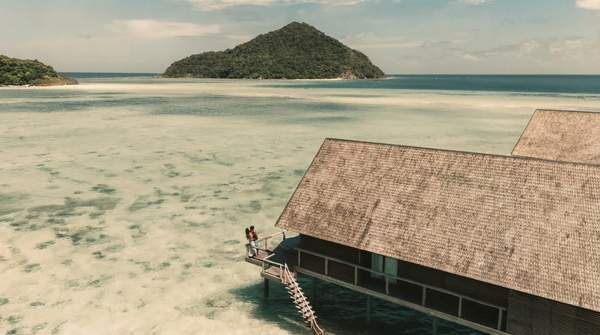
At Cape Stout on Moskito Island, guests enjoy multiple swimming pools, a basketball court that converts to an outdoor cinema, a 42-foot powerboat, a games room, and a vinyl record library, all within their private estate, according to Robb Report. A profound shift in ultra-luxury travel, moving beyond traditional hotel offerings to self-contained, resort-level experiences, is signaled by this extensive array of private amenities.
Established luxury destinations like the Amalfi Coast still dominate some rankings. Yet, the most exclusive new offerings are private island estates, providing amenities far beyond conventional hotel services. The future of ultra-luxury travel increasingly focuses on highly personalized, expansive private rentals and bespoke experiences, compelling traditional luxury hospitality to adapt or risk becoming secondary.
New Maldives resorts actively move away from rigid luxury protocols, according to Travel Daily Media. That discerning travelers now prioritize unparalleled privacy and bespoke environments over conventional luxury accommodations is underscored by this evolution.
The New Era of Exclusive Retreats
Villa O2 in St. Barths, available from $90,000 a week, epitomizes the demand for hyper-curated environments. This four-bedroom villa boasts a dark green-tiled infinity pool spanning three levels, its interiors showcasing Italian classic modernism with Molteni furniture and a Minotti kitchen, according to Robb Report. Its unique multi-level pool and high-end design cater to enthusiasts seeking an exclusive St. Barths location.
Cape Stout on Moskito Island, starting from $37,000 a night, offers a complete private resort experience. The estate includes multiple swimming pools, a basketball court that converts into an outdoor cinema, a 42-foot powerboat, a games room, and a vinyl record library, as detailed by Robb Report. This property provides dynamic entertainment options and private water access for groups.
Spice of Life in St. Lucia (Viceroy Sugar Beach), with nightly rates from $37,000, caters to art connoisseurs. This nine-bedroom villa houses a significant private collection of approximately 130 contemporary artworks, according to Robb Report. It offers cultural immersion within a spacious, private setting, located within a luxury resort.
Coco Beach on Jumby Bay, available from $30,000 a week, provides a sprawling beachfront sanctuary. This five-acre estate features eight bedrooms across four guest cottages, a 75-foot swimming pool, padel and tennis courts, a cinema cottage, and a yoga pavilion, Robb Report states. Its direct beachfront access and vast recreational facilities suit families or larger parties.
The Reserve at Beach Enclave in Turks & Caicos, priced from $10,500 a night, appeals to active travelers. These seven-bedroom villas offer direct beach access, private swimming pools, and a 4,500-square-foot golf complex. Additional amenities include a putting green, tennis, padel, and pickleball courts, plus a fitness center, as reported by Robb Report. This comprehensive suite of sports facilities redefines private wellness.
Rah Gili Maldives, an 'ultra-luxury sanctuary' opened in February 2026, represents an emerging destination focused on cutting-edge hospitality, according to Travel Daily Media. While specific amenities and pricing are still emerging, its very existence signals the region's commitment to redefining exclusivity.
That the pinnacle of luxury now lies in exclusive, self-contained environments, offering a vast array of private facilities and services that transcend traditional resort stays, is collectively demonstrated by these properties.
Global Hotspots: Old Guard vs. New Frontiers
The Amalfi Coast, Capri, the French Riviera, and Majorca continue to dominate recent billionaire vacation rankings, according to Travel And Tour World.
| Destination Type | Key Features | Market Position | Focus |
|---|---|---|---|
| Traditional European Hotspots (e.g. Amalfi Coast, French Riviera) | Established infrastructure, cultural sites, public luxury hotels, yachting hubs | Dominant in general luxury rankings; enduring appeal for historical prestige | Established opulence, social scene, renowned cultural experiences |
| Private Island Estates (e.g. Moskito Island, Jumby Bay) | Expansive private properties, bespoke amenities, unparalleled seclusion, resort-level services within a single estate | Emerging as cutting-edge ultra-luxury; redefining exclusivity and privacy | Bespoke privacy, personalized experiences, self-contained entertainment |
| Emerging Ultra-Luxury Regions (e.g. Maldives) | New developments like Rah Gili Maldives, moving away from rigid protocols, focus on flexible spaces | Strategic growth area; challenging traditional luxury models with modern approaches | Modern luxury, flexibility, integrated wellness and bespoke services |
Italy, France, and Spain actively partner to strengthen Europe's position in ultra-luxury tourism, Travel And Tour World reports. A desire to maintain market share against new competitors is reflected in this initiative. While Europe's classic destinations retain their allure, the industry sees a clear diversification, with new island sanctuaries emerging as key players. This dynamic forces traditional regions to actively reinforce their market position, highlighting a competitive evolution in luxury travel.
Defining the Undefinable: How Ultra-Luxury is Measured
The criteria for ultra-luxury now extend beyond simple opulence to encompass bespoke experiences and profound privacy. Wealthy travelers seek environments offering an entire ecosystem of amenities—from private cinemas to golf complexes—all within a single, secluded property. This signifies a departure from the 'rigid luxury protocols' of traditional hotels, favoring a more fluid and personalized approach to hospitality. The industry's focus is shifting towards creating bespoke, experience-driven environments that cater to the unique and often unstated desires of the ultra-wealthy, where true luxury is defined by unparalleled exclusivity and tailored freedom.
The Future is Private and Personalized
The ultra-luxury market no longer settles for opulent hotel suites; it demands self-contained, hyper-amenitized private estates that offer resort-level experiences without public interaction, as evidenced by properties like Cape Stout and Coco Beach detailed in Robb Report. While traditional European destinations still attract elite travelers, the true frontier of ultra-luxury shifts to private islands and secluded estates. Here, bespoke, non-protocol experiences replace standardized opulence, as seen with new Maldives resorts and the extensive offerings on Moskito Island. The sheer scale and specificity of amenities now expected—from private golf complexes to significant art collections, as highlighted by Robb Report's features on The Reserve and Spice of Life—reveal that privacy and personalized, exclusive access to diverse experiences have become the ultimate status symbols.
If current trends persist, traditional luxury hotels will likely need to incorporate private-estate-level amenities or risk becoming secondary to the most discerning clientele by 2027.