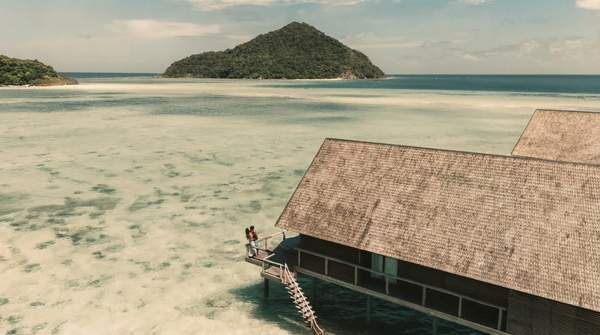
In Japan, a 10-day 'Imperial Journey' now offers guests of Marriott's Luxury Collection experiences like sushi-making with a master and a private geiko dinner. This program, part of the new 'Expeditions' collection, marks a new era for high-end hotel offerings, fundamentally shifting how major luxury brands define and deliver premium travel. The Luxury Collection, Marriott's extensive portfolio of over 140 hotels, launched these cultural discovery experiences in 2026, as reported by AFAR and Hotel & Catering.
Luxury travel traditionally emphasized opulent amenities and exclusive access. However, Marriott's new Expeditions program prioritizes deep, local cultural immersion and authentic learning. This approach challenges conventional expectations, moving beyond lavish hotel stays to redefine what truly constitutes a premium experience.
The luxury hospitality market will likely see a significant shift towards highly curated, experiential itineraries. This pushes traditional amenity-focused offerings to innovate or risk becoming less competitive in 2026.
Beyond the Suite: What These Expeditions Offer
These expeditions are curated across North America, Europe, Asia, and the Caribbean, positioning Marriott's hotels as gateways to profound cultural, culinary, and ecological experiences, according to Hospitalitynet. Offerings include tracing culinary traditions in Kyoto, helicopter journeys across Greece, creating wine blends in Spain, and exploring South Caicos with marine conservationists. Such diverse, hands-on activities reveal a strategic pivot towards experiential luxury, suggesting that true exclusivity now lies in authentic engagement rather than mere access.
Expeditions are guided by local experts: historians, artisans, chefs, winemakers, and conservationists. This reliance on specialized knowledge ensures memorable, authentic engagements across various global destinations. It signifies a deeper commitment to local communities, transforming guests from passive observers into active participants in a region's living heritage.
Deep Dive into Cultural Immersion: The Japan Itineraries
In Japan, The Imperial Journey offers a 10-day itinerary across Tokyo, Kyoto, and Nara. This program features experiences like a samurai residence visit, sushi-making with a master, and a private geiko dinner, according to hospitalitynet.org. Such meticulous detail moves beyond typical tourist activities, crafting a narrative of profound local connections.
Another 'Expeditions' offering is a farm-to-fermentation experience in Kyoto, focusing on the art of tsukemono, or Japanese pickling, as reported by AFAR. This involves visiting a farm to learn about seasonality in vegetables, then proceeding to a third-generation pickler's workshop. This specific focus on traditional craft elevates the luxury experience, offering not just a taste, but a true understanding of a culture's culinary soul. It implies that the most coveted luxury now involves the acquisition of rare, authentic knowledge.
The Strategic Shift in Luxury Hospitality
The Luxury Collection Expeditions are offered through three distinct expressions: Private Tailored Journeys and Day Discoveries Rooted in Place, along with a third, unnamed expression, according to hospitalitynet.org. This flexible strategy captures different segments of the experiential traveler market, allowing for personalized depth. Marriott's Luxury Collection, with over 140 hotels, launched this program in 2026 to redefine high-end travel, positioning the brand as a curator of exclusive, deeply rooted cultural access. This initiative responds directly to evolving traveler demands for authenticity, decentralizing the luxury experience from the hotel property itself and embedding it within the destination's fabric.
By transforming its hotels into mere launchpads for discovery, Marriott effectively redefines its competitive advantage. The brand moves beyond simply providing high-end accommodation; it now sells access to a world of curated, authentic experiences, setting a new benchmark for what a luxury hotel brand can offer.
What This Means for the Future of Luxury Travel
The program includes experiences such as tracing culinary traditions in Kyoto, journeying across Greek islands by helicopter, creating wine blends in Spain, and exploring South Caicos with marine conservationists, according to Hotel & Catering. These varied offerings target a more discerning, intellectually curious luxury traveler. Expeditions are guided by local experts, including historians, artisans, chefs, winemakers, and conservationists, as reported by Hotel & Catering. This emphasis on niche, authentic crafts signifies a fundamental shift: luxury is no longer about passive consumption but active, informed engagement. It suggests that the future of high-end travel lies in the profound, often challenging, pursuit of genuine understanding.
The luxury travel market will likely continue its evolution, prioritizing immersive cultural narratives and expert-led discovery over traditional opulence, if brands successfully scale these deeply personalized experiences.