In April 2026, reports detailed significant shifts in global luxury trends and consumer behavior, particularly highlighting developments within experiential travel, artisanal fragrance, and high-fashion accessory sectors.
Evolving consumer priorities now favor experiential travel, integrated wellness, and artisanal, eco-conscious fragrances, alongside a notable divergence in fashion aesthetics. These significant shifts in consumer behavior are emerging as several key luxury brands and sectors announce new initiatives and report on their evolving patterns, providing a clearer snapshot of the current luxury landscape.
What We Know So Far
- A surge in cruise travel is anticipated for 2026, with a new guide covering safety and luxury experiences at sea for global tourists, according to travelandtourworld.com.
- Marriott and Lefay announced a milestone deal on Monday, 6th April 2026, to grow luxury wellness offerings, as reported by 4hoteliers.com.
- The global luxury perfume market is reportedly transforming, driven by trends like gender-neutral scents, sustainability mandates, and the premium of in-store purchasing, according to a report from openpr.com.
- In fashion, several distinct handbag styles are noted for 2026, including The Row's Marlo bag for quiet luxury and Gucci's Giglio tote, which reportedly represents a rejection of the aesthetic, according to whowhatwear.com.
- Rising wealth and experiential tourism are reportedly driving luxury travel demand across several Asian nations, including Japan, South Korea, Indonesia, Malaysia, Singapore, Thailand, and Vietnam.

Shifts in Luxury Consumer Behavior 2026
Recent analyses of consumer behavior point to nuanced and sometimes contradictory preferences in the luxury market. In the fragrance sector, a report from openpr.com suggests the market is moving away from mass-appeal scents toward high-potency, artisanal storytelling. This transformation is reportedly influenced by the entry of Gen Z into the high-end fragrance space, which is described as causing a seismic shift toward unisex appeal and eco-conscious transparency. The report identifies three pivotal trends: the rise of gender-neutral scents, a 'Clean & Green' mandate, and the experiential premium of in-store purchasing. The offline retail segment holds a reported 66.6% of the luxury perfume market, as high-profile customers are said to view perfume purchasing as a sensory ritual.
In the realm of fashion accessories, a similar divergence in taste is apparent. According to whowhatwear.com, 2026 has seen the rise of several key handbag styles that cater to different aesthetics. The Row's Marlo bag is identified as a key style reflecting '90s nostalgia and a persistent quiet luxury aesthetic. Conversely, the Gucci Giglio Large Tote is described as a "huge hit" among stylish celebrities and represents a "rejection of years of quiet luxury." Other prominent styles include the Chanel Large Tote, which is reported to be one of the most discussed designer bags of the year so far. The Prada Route bag is considered on-trend, aligning with a shift towards functional fashion and utilitarian energy. Meanwhile, Alaïa's Le Teckel bag, which initiated the east-west handbag trend upon its 2024 release, has reportedly cemented itself as a legacy buy.
Emerging Market Demands in Global Luxury Sector
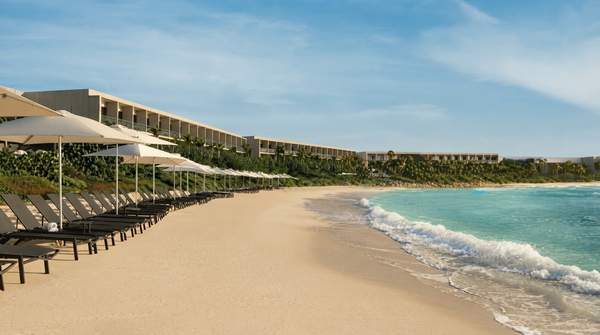
The luxury travel sector is experiencing notable shifts, focusing on curated and wellness-oriented experiences. A significant surge in cruise travel is anticipated for 2026, according to travelandtourworld.com. This publication also reports that rising personal wealth and a strong demand for experiential tourism are driving luxury travel across a wide swath of Asia, specifically naming Japan, South Korea, Indonesia, Malaysia, Singapore, Thailand, and Vietnam as key markets.
Strategic partnerships within the hospitality industry reflect this focus on elevated experiences. On April 6, 2026, Marriott and Lefay announced a "milestone deal to grow luxury wellness," as reported by 4hoteliers.com. This development underscores a clear market demand for travel that integrates high-end hospitality with dedicated wellness programs, a segment continuing to draw significant industry investment and attention. Consumers are increasingly prioritizing unique, immersive, and health-conscious travel itineraries.
What We Know About Next Steps
A report from openpr.com on the global luxury perfume market provides specific financial forecasts. It states the market, valued at US$ 14.9 billion in 2023, is projected to reach US$ 24.3 billion by 2033. The same report further projects that France's segment of the luxury perfume market is expected to reach a US$ 3.0 billion valuation by 2033, with the 'Made in France' label remaining a significant factor in its growth.
Publications continue to monitor market shifts through ongoing analysis. For example, Vogue Business provides weekly exclusive data from Spate, which tracks historic growth across beauty brands, trends, and ingredients. At present, no other official timelines or next steps have been announced regarding the reported trends.