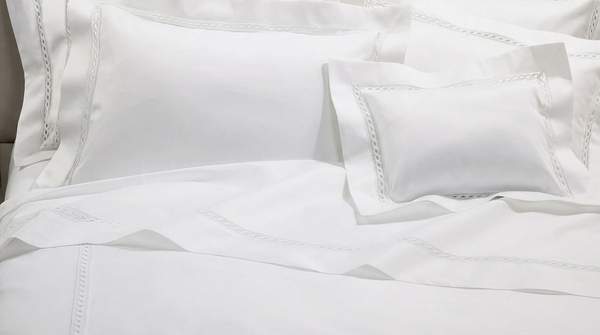
Within a meticulously appointed drawing room, every surface speaks a language of restraint. A cream-colored bouclé sofa sits on a hand-knotted silk rug, its texture the primary declaration of its value. The low-slung marble coffee table is unadorned, save for a single, weighty tome. This scene, the very essence of the quiet luxury home decor trend, has become the prevailing signifier of sophisticated living. It is a masterclass in understated elegance, a direct riposte to the logo-laden maximalism of a bygone era. Yet, a subtle but significant shift is underway. The very perfection that defined this aesthetic is now being questioned, as a growing cohort of homeowners begins to seek something more than curated flawlessness: a sense of soul.
What is Quiet Luxury in Home Interiors?
The movement towards quiet luxury in residential design represents a profound recalibration of consumer values. It is a philosophy predicated on the belief that true opulence need not announce itself. Instead, it is felt in the heft of a solid bronze door handle, seen in the seamless grain-matching of bespoke cabinetry, and experienced in the tranquil ambiance of a room swathed in natural, high-quality materials. This aesthetic, characterized by its focus on craftsmanship and materiality over overt branding, has firmly taken root in the most discerning of homes. Its principles are clear: a preference for discretion and lasting value over fleeting, ostentatious displays.
The core tenets of this design language are both specific and intentional. They reflect a deliberate move away from visual noise and toward a more serene, considered environment. According to an analysis by Vogue, which tracked the trend's migration from fashion to interiors, the aesthetic is defined by several key characteristics. These behavioral shifts in purchasing and design include:
- A pivot to neutral color palettes. Homeowners are increasingly specifying shades of beige, taupe, ivory, and soft grey, creating a calm and cohesive foundation that allows the quality of the materials to take center stage.
- An emphasis on natural textures. Materials such as linen, wool, cashmere, leather, stone, and un-lacquered wood are being employed not just for their durability but for their tactile qualities, adding depth and warmth to minimalist spaces.
- An investment in timeless, unbranded pieces. The focus has shifted from identifiable designer "it" items to furniture and objects whose value is intrinsic to their design and construction. This represents a move towards pieces that can be passed down through generations.
- A demand for superior craftsmanship. Consumers are prioritizing artisanal techniques and meticulous construction, valuing the hand of the maker and the longevity that such quality ensures.
This collective turn towards subtlety is more than a mere trend; it is a behavioral response to a period of economic uncertainty and information overload. In a world saturated with logos and fast-moving trends, quiet luxury offers a sanctuary of permanence and authenticity. It is the residential equivalent of a Savile Row suit—its quality is immediately apparent to those in the know, requiring no label for validation. The home becomes less a stage for social performance and more a private refuge, its luxury intended for the daily enjoyment of its inhabitants rather than the admiration of visitors.
Evolution of Quiet Luxury: Fashion's Influence on Home Design
The aesthetic principles of quiet luxury did not emerge from a vacuum; they are a direct descendent of a parallel movement in haute couture. The confluence of heritage and innovation seen in fashion houses such as The Row and Loro Piana provided the blueprint. These brands built their reputations on impeccable tailoring, the finest materials, and a steadfast refusal to engage in conspicuous branding. They cultivated a clientele that valued quality and silhouette above all else, creating a form of "stealth wealth" that was both exclusive and aspirational. It was only a matter of time before this ethos permeated the walls of the homes inhabited by these same consumers.
The transition from wardrobe to living room was seamless because the underlying philosophy remained the same: an investment in enduring quality. The cashmere sweater became the cashmere throw; the perfectly cut trench coat found its counterpart in a bespoke, architecturally clean-lined sofa. This migration was accelerated by a broader cultural weariness with logomania. As consumers sought to build more sustainable and meaningful relationships with their possessions, the appeal of timeless design grew. The home, as the most personal of spaces, became the ultimate canvas for expressing this new, more considered approach to luxury consumption.
However, as with any influential trend, the journey from niche aesthetic to mainstream phenomenon has diluted its core principles. The popularization of quiet luxury has led to its interpretation at every market level. According to a report from msn.com, even mass-market retailers like Walmart have begun to offer collections that mimic the trend's visual cues, translating its neutral palettes and simple forms into budget-friendly options. While this democratization makes the aesthetic accessible, it also signals a saturation point for the high-end consumer. When an exclusive language becomes common parlance, the vanguard inevitably seeks a new dialect. This broad adoption is a key factor driving the evolution of luxury interiors beyond the quiet luxury paradigm.
The Rise of 'Found Luxury' and Warm Minimalism
For all its sophisticated appeal, a critique of quiet luxury has begun to surface in design circles. Some, like the publication Architizer, have criticized it, arguing that its pursuit of sterile perfection can feel exclusionary and soulless. A more measured criticism, articulated by designers and homeowners alike, is that the aesthetic, in its purest form, can feel impersonal. A space, however beautifully appointed with high-quality materials, can lack character and resemble a showroom if it bears no imprint of its inhabitants' lives and histories.
The design world will largely supplant 'quiet luxury' with 'warm minimalism' and 'found luxury' by 2026, according to Homes & Gardens. This pivot moves away from impersonal design, infusing personality and history instead. As one analysis in Homes & Gardens notes, "Quiet luxury stripped things back, while found luxury brings the soul back in...Found luxury wins because it trades perfection for presence."
'Warm minimalism' softens its predecessor's austere edges, favoring "cocooning spaces" reminiscent of 1990s and early 2000s layered minimalism. The focus remains on exceptional materials that exude warmth and permanence. Homes & Gardens reports, "Adding materials such as solid timber, natural stone, and plaster brings a level of weight and tactile feeling that you simply can’t replicate with their synthetic alternatives." The emphasis is on materials that age gracefully—oak deepening, brass developing a rich patina, and lime plaster softening with time—reflecting a desire for a home that evolves with its occupants.
‘Found luxury’ champions individual narratives, prioritizing pieces with history and character over matched sets. This encourages mixing eras and styles, such as pairing a contemporary Italian sofa with a weathered antique console table or inherited art. Antithetical to decorating a room all at once, this bespoke approach fosters a slower, organic acquisition process where objects are collected, inherited, or commissioned for personal meaning. The result is a layered, lived-in, and quietly expressive space reflecting a life well-lived.
What This Means for the Future of Luxury Interiors
The shift from 'quiet luxury' to 'warm minimalism' and 'found luxury' marks a maturation in high-end consumer behavior, redefining luxury itself. Opulent interiors are moving from passive consumption of a prescribed 'look' to active creation of personal sanctuaries, favoring collaborative, patient design over turnkey solutions.
This shift implies profound changes for the luxury goods industry: demand will likely grow for artisanal, vintage, and antique pieces, and materials with a story. Brands emphasizing craftsmanship, provenance, and unique material character will be well-positioned. The focus will be on longevity—both physical durability and stylistic endurance—as consumers increasingly view acquisitions as long-term investments, seeking pieces relevant and cherished for decades. This could favor smaller, specialized workshops over mass-luxury manufacturing, impacting material sourcing and production. Adjacent markets, like the luxury watch market, show a similar gravitation towards heritage and enduring value.
For homeowners and interior designers, this shift encourages a more thoughtful, narrative-driven approach. The goal moves from a picture-perfect interior to curating a beautiful, deeply resonant space. This requires patience and a discerning eye, valuing an object's story as much as its form. The movement reclaims the home as a repository of personal history and a testament to a life of substance.
Key Takeaways
- The quiet luxury home decor trend, which originated in fashion, is defined by its emphasis on high-quality materials, craftsmanship, and understated elegance over conspicuous branding.
- A growing critique of the aesthetic suggests it can feel overly polished and impersonal, resembling a showroom and lacking individual character or "soul."
- According to industry reports, consumer preferences are evolving towards successor trends like 'warm minimalism' and 'found luxury' for 2026, which prioritize comfort, personality, and historical depth.
- This shift reflects a deeper consumer desire for authenticity and longevity, favoring spaces that are built over time with meaningful, layered objects and warm, natural materials that patinate with age.