Between 2020 and 2021, the minimum price for a Prada item surged by a staggering 68%, according to Morningstar. This significant elevation in entry-level pricing suggests a deliberate move by the Italian luxury house to re-establish its exclusive positioning. Such an aggressive strategy aims to recover from past financial challenges while targeting a more affluent, discerning consumer base. The immediate impact for many consumers is a heightened barrier to entry, transforming what was once an aspirational, yet attainable, purchase into a more exclusive investment.
Premium brands are significantly raising their entry-level prices, but the broader luxury market is simultaneously experiencing shifts where categories like prestige skincare are outperforming traditional luxury goods. This creates a notable tension: brands are pushing for higher perceived value and exclusivity, even as consumer preferences in key demographics evolve towards different luxury expressions. The traditional emblems of luxury, such as designer handbags, are now competing with emerging categories for consumer attention and spending.
Ultimately, brands are trading broader accessibility for higher perceived value and profitability, a strategy that will likely redefine the luxury landscape and consumer expectations for premium brands expanding into luxury segments in 2026. A high-stakes gamble, this repositioning is particularly for established houses seeking to solidify their place at the apex of the luxury market. It forces a re-evaluation of what constitutes luxury and how consumers engage with high-end products.
The New Price of Entry for Premium Brands
Prada Group's revenue dropped by approximately 25% in 2020, according to Morningstar. This significant financial contraction prompted a rapid strategic re-evaluation within the company, leading to an aggressive pivot towards higher pricing. The company's 68% minimum price surge between 2020 and 2021, as reported by Morningstar, reveals a luxury brand willing to risk alienating some customers for a rapid, aggressive re-positioning towards exclusivity. This move prioritizes brand elevation and profitability over maintaining previous accessibility points.
Despite this dramatic internal price hike, Prada still maintains an entry-price level for leather goods lower than many competitors, according to Morningstar. This implies that while the brand has significantly elevated its own baseline, its luxury offering remains comparatively accessible within the broader high-end market. The strategy aims to elevate perceived value without necessarily reaching the absolute top tier of competitor pricing, suggesting a nuanced approach to market positioning. Prada appears to be cultivating an image of enhanced exclusivity while retaining a strategic entry point for a wider, albeit still affluent, customer base.
Shifting Luxury Demands Beyond Traditional Goods
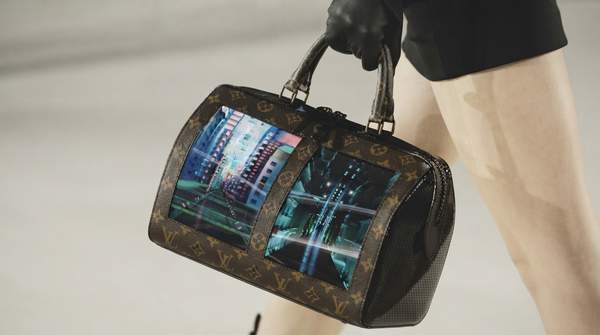
- Rising global demand for premium, lightweight, and luxury handbags is a key growth factor for the market, according to Straits Research. This overarching trend suggests a robust environment for traditional luxury accessories on a global scale.
- Prestige skincare is outperforming designer bags among Chinese consumers seeking luxury, as reported by Reuters. This specific regional preference indicates a significant shift in spending priorities within a crucial luxury market.
This divergence means that while the overall global market for luxury handbags may be expanding, crucial regional demographics like Chinese consumers are shifting their luxury spending priorities. The traditional growth drivers for luxury goods do not universally translate to all high-value demographics, creating a fragmented luxury market. Brands relying solely on established product categories risk missing opportunities in evolving consumer segments.
The New Luxury Hierarchy
Prestige skincare products are outperforming designer bags among Chinese consumers seeking luxury, according to Reuters. A redefinition of luxury is highlighted by this shift, where experiential and wellness-oriented categories gain prominence over traditional material goods. Brands that adapt to these evolving preferences, especially those innovating in segments like prestige skincare, stand to benefit significantly. The emphasis is moving towards products that offer tangible personal benefits and align with a holistic view of well-being.
The rise of K-Beauty is reshaping the luxury skincare market, as detailed by Forbes. Traditional luxury houses like Prada are facing a fundamental redefinition of 'luxury' in key markets, demanding a pivot beyond just price hikes. Consumers priced out of what were once accessible premium entry points, and traditional luxury segments that fail to adapt to these new consumer values, are the likely losers in this new hierarchy. Success hinges on recognizing and embracing these new expressions of luxury.
The Future of Exclusivity
Luxury brands are navigating a dual challenge: elevating their perceived value while adapting to fragmented consumer demands.
- Prada's minimum price surged by 68% between 2020 and 2021, according to Morningstar.
- Prestige skincare now outperforms designer bags among Chinese consumers seeking luxury, as reported by Reuters.
The combined forces of strategic price elevation by established brands and the diversification of luxury into new, high-growth categories will likely lead to a more segmented and exclusive luxury market. Brands like Prada, through aggressive price repositioning, aim to secure a higher tier of exclusivity and profitability. However, the market's pivot towards categories such as prestige skincare indicates that sustained success requires more than just price adjustments; it demands deep insight into evolving consumer values and preferences for premium brands expanding into luxury segments in 2026. Future market leaders will likely be those capable of both elevating their core offerings and strategically diversifying into high-demand, emerging luxury segments.
Your Guide to the Evolving Luxury Landscape
- Prada's 68% surge in minimum pricing between 2020 and 2021, following a 25% revenue drop in 2020, reveals a luxury brand willing to risk alienating some customers for a rapid, aggressive re-positioning towards exclusivity. This high-stakes strategy aims to recover past losses and elevate brand perception.
- The shift where prestige skincare now outperforms designer bags among Chinese consumers indicates that traditional luxury houses like Prada are facing a fundamental redefinition of 'luxury' in key markets, demanding a pivot beyond just price hikes. Consumer values are expanding beyond material possessions.
- While global demand for luxury handbags remains a growth factor, Prada's strategy of raising entry prices while still being lower than many competitors suggests a delicate balancing act to capture new high-end demand without fully abandoning a broader, albeit elevated, market segment. This approach seeks to broaden its appeal within a higher-spending demographic.
By Q3 2026, luxury brands like Prada will likely face intensified pressure to demonstrate value beyond just price, as discerning consumers continue to prioritize evolving categories such as prestige skincare. This requires continuous strategic adaptation.