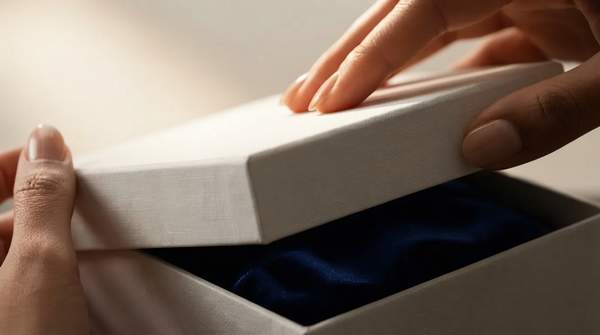
Customers are now joining waiting lists for bespoke luggage, transforming a travel necessity into a personalized investment and status symbol. This trend indicates a significant shift in consumer priorities within the luxury travel market. Demand has increased notably for smaller bespoke pieces, such as overnight and weekend bags, which are often attributed to shorter trips like road trips or rail journeys.
Premium luggage has traditionally been valued for its robust utility and capacity for long journeys, but increasingly, consumers prioritize bespoke craftsmanship and personal expression for shorter trips. This creates a tension between established functional benchmarks and a growing desire for unique, personalized items. The market for high-end luggage appears to be segmenting, with a growing emphasis on personalized, smaller pieces that cater to lifestyle and status rather than just practical travel needs.
This shift means the luxury of travel accessories is no longer defined by maximizing capacity for long hauls. Instead, it lies in the bespoke expression of personal brand, with thegentlemansjournal reporting waiting lists for customized, smaller bags. These items serve as a primary vehicle for personal branding and status expression, where aesthetic customization and compact design now overshadow traditional capacity and durability.
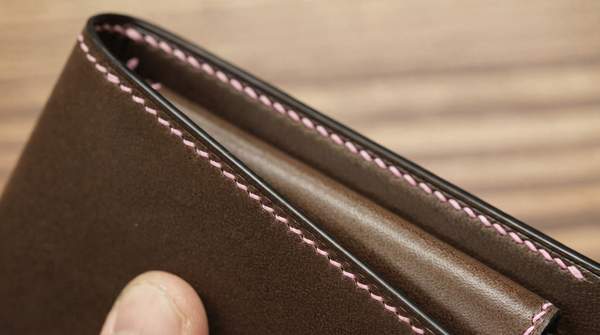
Bespoke luggage, at its core, represents a tailored approach to travel accessories, moving beyond mass-produced luxury items. This segment focuses on individual preferences, allowing for a deep level of personalization that transforms a functional object into a unique statement. The process often involves detailed consultations to customize elements such as color combinations, corners, lining, thread color, and locks, according to thegentlemansjournal. This meticulous attention to detail elevates the perceived value, shifting it from mere utility to an expression of personal style and discernment.
The value proposition of high-end bespoke luggage craftsmanship extends beyond material quality to encompass exclusivity and individual narrative. Consumers are not just purchasing a bag; they are commissioning a piece that reflects their identity and travel philosophy. This emphasis on customization, particularly for smaller bags, highlights that premium luggage is now considered a status symbol or seasonal investment, rather than solely a necessity for extensive travel, according to thegentlemansjournal. The investment is in a personalized experience and a tangible extension of one's personal brand.
Traditional Premium Luggage: The Enduring Value of Functionality
Traditional premium luggage has long been defined by robust construction and practical features designed for extensive travel. For example, the Rimowa Original Cabin Carry-On measures 21.7 x 15.8 x 9.1 inches and weighs 9.5 pounds, emphasizing standard dimensions and manageable weight for airline travel, according to forbes. Similarly, the Tumi 19 Degree Extended Trip Expandable Checked Luggage stands at 29.9 x 20 x 11 inches and weighs 12.1 pounds, illustrating a focus on capacity for longer journeys, as reported by forbes.
Traditional premium luggage prioritizes robust construction and innovative features for practical travel. The Carl Friedrik Trunk, with dimensions of 28.5 x 15.5 x 14.4 inches and a weight of 13.7 pounds, offers substantial storage, according to forbes. Brands also integrate functional innovations, such as Rimowa's patented compression system, which uses a Velcro and strap mesh panel to secure and compress belongings, according to CNTraveller. Features such as Rimowa's patented compression system underscore a foundational commitment to maximizing internal space and ensuring durability. This approach operates within a standardized framework, distinct from the personalized bespoke market's emphasis on individual expression. The focus remains on utility and resilience, serving travelers who prioritize capacity and protection for their possessions.
The Shifting Metrics of Premium Luggage Value
The premium luggage market is undergoing a fundamental redefinition, where luxury is no longer in maximizing capacity for long hauls, but in the bespoke expression of personal brand. This is evidenced by thegentlemansjournal reporting waiting lists for customized, smaller bags, which contrasts sharply with traditional metrics. Brands that continue to prioritize traditional metrics like volume and weight, as highlighted by forbes examples, risk becoming obsolete in a market increasingly driven by consumers. These consumers view luggage as a status symbol or seasonal investment for shorter trips, rather than a mere travel necessity.
Companies still emphasizing features like patented compression systems, according to CNTraveller, are missing the larger trend. Consumers are now willing to join waiting lists, as reported by thegentlemansjournal, for luggage that offers unique color combinations, corners, lining, thread color, and locks. Customization has become the ultimate premium feature, eclipsing practical utility as the primary driver of perceived value. The market's increasing demand for aesthetic personalization reveals that visual expression is now a dominant factor in purchasing decisions. This shift prioritizes unique design over the functional innovations that once defined high-end travel gear.
Bespoke Luggage: An Investment in Personal Branding
The rise of bespoke luggage underscores a significant shift in consumer behavior, where travel accessories are now seen as extensions of personal branding. This trend benefits bespoke artisans and brands that cater to personalized luxury, as consumers seek unique, status-affirming travel accessories. Conversely, traditional premium luggage brands that fail to adapt to the demand for customization and lifestyle-aligned travel solutions face potential market erosion. The emergence of waiting lists for bespoke luggage, particularly for smaller pieces, indicates that scarcity and personalization, rather than sheer volume or robust utility, are now defining luxury in the premium travel market.
Premium luggage is no longer primarily about the journey's duration but the journey's statement. Consumers prioritize custom, smaller bags for shorter trips like road trips or rail journeys, to serve as a status symbol or seasonal investment. This redefines the concept of value in the luxury segment. While traditional premium brands still highlight functional innovations like compression systems, the market's increasing demand for aesthetic personalization, such as custom color combinations, linings, and locks, reveals that visual expression is eclipsing practical utility as the primary driver of perceived value. The investment is in uniqueness and the capacity to convey individual style.
Frequently Asked Questions About Premium Travel Luggage
What makes bespoke luggage so expensive?
Bespoke luggage is expensive due to the intensive labor involved in crafting each piece by hand, using high-grade materials like full-grain leather, exotic woods, and custom hardware. The detailed consultation process and the exclusivity of a unique, personalized design also contribute significantly to the cost. This level of craftsmanship ensures durability and a distinct aesthetic not found in mass-produced items.
How to identify quality luggage craftsmanship?
Identifying quality luggage craftsmanship involves examining several key elements. Look for robust stitching, often hand-sewn, durable hardware made from solid brass or stainless steel, and high-quality materials like abrasion-resistant fabrics or full-grain leather. A well-constructed frame, smooth-gliding zippers from reputable manufacturers, and attention to interior finishing, such as reinforced linings and tailored compartments, also signify superior quality. The overall feel of the piece should be solid and well-balanced.
What are the benefits of investing in premium travel luggage?
Investing in premium travel luggage offers several benefits, including enhanced durability, superior protection for belongings, and often, extended warranties or repair services. High-quality materials and construction mean the luggage withstands the rigors of travel more effectively, reducing the need for frequent replacements. Additionally, premium luggage often features thoughtful design elements that improve organization and ease of use, contributing to a more refined travel experience.
By 2026, brands like Rimowa, known for their functional innovations, will need to significantly expand their customization offerings or risk ceding further market share to bespoke artisans. The emphasis on personalized expression for shorter trips, rather than just capacity for long hauls, will continue to redefine the premium luggage sector.