Homes designed for wellness command a 10-25% higher price. The 10-25% higher price, evident in middle and upper-market properties, signals a profound shift: how a space feels now rivals how it looks in value. The Global Wellness Institute identifies the built environment as the next frontier for wellness. While traditional luxury emphasized visible opulence, today's most valuable features enhance invisible well-being and occupant health. This market transition from superficial aesthetics to health-supportive environments means wellness integration will likely become a standard expectation, not merely a premium feature, in high-end residential properties. Luxury, it appears, is now synonymous with healthful living.
Beyond Aesthetics: The Philosophy of Wellness Design
"Wellness home design aims to create spaces that improve how people feel, not just how they look," notes Lookforther Realtor. Wellness home design prioritizes the occupant's holistic sensory and emotional experience, cultivating environments that actively enhance well-being. The implication is a redefinition of luxury, where intrinsic comfort and health supersede overt display.
1. Wellness-focused Design
Wellness real estate is the "fastest growing sector within the global wellness economy," commanding a "10-25% price premium," states the Global Wellness Institute. The 10-25% price premium reflects a market understanding that up to "80-90% of disease risks, health outcomes, and longevity depend on environmental and lifestyle factors." For discerning buyers, this translates to intrinsic value and long-term health benefits, offering a competitive edge despite potential higher initial investment.
2. Smart Home Technology
Smart home technology, an "essential feature of modern high-end homes," drives a U.S. market projected to reach "$193.5 billion," according to Tide-homes. Features like smart kitchen appliances, from "refrigerators that remind users to restock" to "ovens that automatically adjust cooking settings" (Wildfireoutdoorliving), enhance convenience, security, and energy efficiency. While requiring robust networks and a high initial investment, seamless integration contributes significantly to overall property value and occupant comfort.
3. Natural Light & Biophilic Design
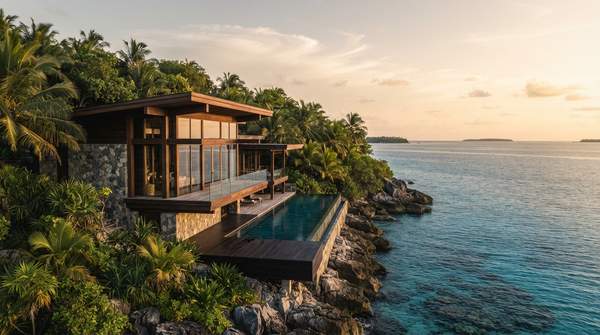
Natural light "improves mood, regulates sleep, and reduces energy bills and stress," while biophilic design "brings life, offering that subconscious boost that comes from being surrounded by nature," states Lookforther Realtor. Natural light and biophilic design create calming, energy-efficient spaces, directly improving mental well-being and fostering a vital connection to nature, despite potential site-specific constraints.
4. Clutter-Free & Organized Spaces
Clutter correlates with "negative health outcomes such as depression, anxiety, overeating, and burnout," while "tidying... restores people’s sense of control over their environment," reports Lookforther Realtor. Designing for organization enhances mental well-being, promotes minimalist elegance, and improves functionality, offering homeowners mental clarity and reduced stress, provided ample storage is integrated.
5. Advanced Air Purification Systems
Given that indoor air "can be more polluted than outdoor air," advanced filtration is crucial. HEPA purifiers, capturing "99.97% of particles," significantly improve air quality, states Lookforther Realtor. HEPA purifiers protect respiratory health, reduce allergens, and offer peace of mind for health-conscious individuals, despite requiring regular maintenance.
6. Home Gyms / Dedicated Fitness Spaces
The "rise in demand for home gyms" reflects a desire for convenient, private, and personalized fitness, according to Tide-homes. These dedicated spaces promote physical health and offer tailored routines, justifying the high investment in space and equipment for active individuals.
7. Sustainability Features
Sustainability is a "cornerstone of contemporary home design," integrating eco-friendly practices and materials to minimize environmental impact, notes Tide-homes. These features reduce energy and water consumption, appealing to environmentally conscious buyers seeking both reduced ecological footprint and long-term operational savings, despite higher upfront costs.
8. Personalization
Personalization "will define home design in 2025," enabling occupants to shape spaces reflecting individual preferences and enhancing a sense of belonging, according to Tide-homes. Personalization creates a unique and comfortable experience, fostering a stronger emotional connection to the home, though extensive custom work can increase design complexity and cost.
9. Relaxation-focused Primary Bathrooms
"One in four homeowners now use their primary bathroom for relaxation," a trend underscored by Pinterest's "405% search increase in 'zen house' or 'tranquil retreats' in 2024," states Lookforther Realtor. These spaces provide a dedicated area for unwinding, enhancing daily self-care routines and offering private, spa-like luxury, despite requiring generous space and high-end fixtures.
10. Elevated Ceiling Design
Thoughtfully designed ceilings "elevate a space, enhancing its character with added height, texture or whimsy," according to Wildfireoutdoorliving. Thoughtfully designed ceilings create a sense of openness and grandeur, allowing for unique lighting and visual interest, appealing to buyers seeking enhanced spatial grandeur and architectural detailing, though it increases construction costs.
Old Luxury vs. New Wellness: A Design Paradigm Shift
A fundamental reorientation of value defines the contrast between traditional luxury and wellness-focused design. Classic opulence emphasized visible grandeur; modern luxury prioritizes intrinsic well-being, influencing material selection and spatial planning. The following table illustrates this shift:
| Feature Aspect | Traditional Luxury Focus | Wellness-Focused Luxury Focus | Market Impact |
|---|---|---|---|
| Primary Aesthetic Goal | Conspicuous opulence, grandiosity, visible wealth. | Subtle elegance, inherent comfort, sensory harmony. | Shifts from superficial display to integrated experience, potentially increasing buyer appeal. |
| Key Value Proposition | Material grandeur, exclusive finishes, expansive scale. | Health optimization, emotional well-being, environmental consciousness. | Commands a measurable price premium (10-25%) due to enhanced occupant experience. |
| Design Philosophy | Impress visitors, showcase status, maximize visible square footage. | Improve occupant health, reduce stress, enhance daily functionality. | Moves beyond superficiality to functional benefits that support long-term living. |
| Technology Integration | Entertainment systems, security, complex automation for convenience. | Air/water purification, circadian lighting, climate control for health outcomes. | Technology becomes a tool for well-being, not just entertainment or convenience. |
| Material Selection | Rare, expensive, visually striking materials (e.g. exotic marble, gold leaf). | Non-toxic, sustainable, naturally purifying, tactilely pleasing materials. | Prioritizes health and sustainability over sheer cost or visual extravagance. |
This re-evaluation positions properties integrating wellness features as more desirable and valuable, marking a move from conspicuous consumption to conscious living. True luxury is now defined by its positive impact on health and daily life.
How Wellness Features Are Integrated
Integrating wellness into luxury home design demands a comprehensive approach, much like the enduring appeal of midcentury modern homes in Los Angeles. Architectural planning maximizes natural light and airflow, reducing reliance on artificial systems. Material selection prioritizes non-toxic, sustainable, and naturally purifying options for healthier indoor air. Beyond structural elements, advanced systems—like sophisticated air/water filtration, circadian lighting, and sound-dampening technologies—are woven into the home’s infrastructure. These are not mere add-ons; they operate discreetly, enhancing the occupant's experience without overt intrusion. This holistic orchestration, from air quality to material choices, elevates the standard of modern luxury living by ensuring every aspect supports well-being.
The Enduring Value of Wellness in Luxury
The market's preference for wellness-focused luxury homes signals a permanent shift in buyer priorities. Features like advanced air purification and biophilic design are setting new benchmarks for value, yielding tangible financial returns through consistent price premiums. Developers prioritizing visible opulence over integrated wellness risk leaving significant market value on the table, given the Global Wellness Institute's reported 10-25% price premium. This re-evaluation of luxury, moving beyond material grandeur to intrinsic well-being, makes investing in wellness features a strategic decision for enhanced quality of life and sustained property value.
By Q4 2026, developers like Tide Homes will likely see continued acceleration in demand for wellness-focused properties.mand for properties integrating comprehensive wellness strategies, further solidifying this market direction.
Your Questions About Wellness Homes, Answered
Beyond the features, what design principles guide a truly wellness-focused luxury home?
A truly wellness-focused luxury home adheres to human-centric design, prioritizing physiological and psychological needs. This involves optimal acoustics to minimize noise pollution and dedicated zones for active engagement or quiet contemplation. Designers often employ natural proportions, like the "golden ratio," for visual harmony.
What role do materials play in creating a wellness-centric luxury environment?
Materials are paramount, impacting indoor air quality and sensory experience. Natural, low-VOC options—such as bamboo, cork, and natural stone—are preferred to avoid harmful off-gassing. Textiles with specific textures and colors further influence mood and tactile comfort, contributing to overall calm and luxury.
How does the sound environment contribute to well-being in a luxury residence?
The sound environment significantly impacts well-being by reducing stress and enhancing focus. Luxury wellness homes incorporate advanced soundproofing and acoustic treatments to mitigate external noise and control internal reverberation. This creates tranquil spaces for relaxation, improves sleep quality, and ensures privacy, allowing occupants full immersion without auditory distractions.