Creating a residence on a private island is an endeavor that transcends conventional luxury architecture, demanding a fusion of escapism and engineering. The core principles guiding these exclusive projects are dictated not by trends, but by the fundamental challenges of the environment itself. Unlike mainland properties, these homes must function as self-sufficient sanctuaries, where the pursuit of ultimate seclusion, the realities of logistics, and the forces of nature shape every design decision. These are not simply vacation homes; they are integrated ecosystems, meticulously sculpted from their natural surroundings and engineered to endure.
The Unique Allure and Challenges of Private Island Architecture
The primary allure of a private island home is the promise of the highest possible level of seclusion and natural beauty. According to the firm Ralston Architects, these projects push the boundaries of design, sustainability, and craftsmanship to create remote luxury retreats. However, this exclusivity comes with a unique set of formidable challenges that must be addressed before any design work begins. The process starts with intensive site analysis and feasibility studies to evaluate critical factors like access for materials and labor, potential environmental impact, and the complex logistical considerations of building in a remote location.
Architects must approach each island as a standalone ecosystem, blending technical expertise with sustainable strategies to create structures that are both intelligent and inspired. The goal is to craft a bespoke design tailored to a client's specific vision—whether that is "barefoot luxury or a sophisticated architectural showpiece"—while respecting the delicate balance of the island environment.
Principle 1: The Self-Sufficient Sanctuary
A private island residence must be, by necessity, a self-reliant entity. This principle moves beyond simple comfort to encompass complete operational independence from mainland grids and services. Due to their remote nature, these properties require robust, self-contained infrastructure for power, water, and communications. Design must incorporate these systems from the ground up, making sustainability a core component of long-term viability and resilience. For example, Sir Richard Branson’s Necker Island in the British Virgin Islands is cited by Ralston Architects as a "gold standard for sustainable, luxury island living" due in part to its solar-powered infrastructure. This focus on self-reliance is not merely an ethical choice but a practical one.
Architectural firm Found Associates notes that enduring luxury projects are designed to perform sustainably over decades, ensuring they are built for future generations. This long-term vision is essential when creating a sanctuary engineered to function entirely on its own.
Principle 2: Seamless Environmental Integration
Architecture on a private island must exist in harmony with its environment, both aesthetically and structurally. This requires a dual approach: designing buildings that blend into the landscape while also being robust enough to withstand its harshest conditions. The orientation of a home is a critical first step. According to design firm RCL Development, proper orientation can maximize natural light and cross-ventilation, which in turn reduces the reliance on artificial lighting and mechanical cooling systems. Material selection is equally important, prioritizing durability and resilience against the corrosive effects of sun, salt, and storms. The concept of a home being "engineered to endure," as described by Ralston Architects, is fundamental.
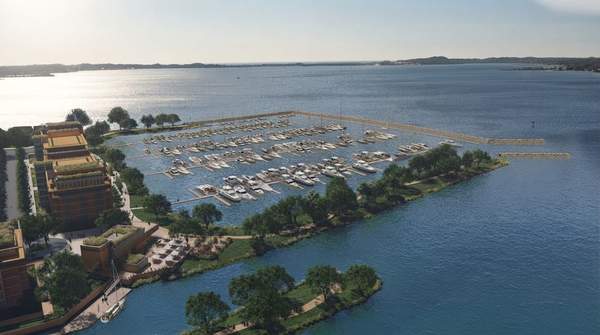
This principle is vividly illustrated by the conceptual Utopia Project, a man-made island with glass canopy panels that can open to the elements or close for protection, making it adaptable to any climate.
Principle 3: Curated Seclusion and Bespoke Experience
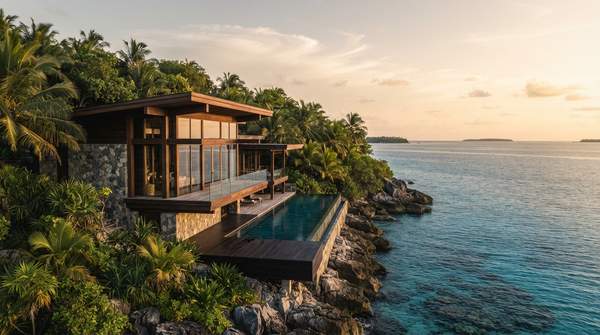
The ultimate luxury of a private island is the ability to create a completely personalized and secluded world, and the architecture is central to curating this experience. Design strategies focus on maximizing privacy from the outside world while simultaneously fostering a deep, immersive connection to the immediate natural surroundings. This is achieved through meticulous site planning and bespoke floor plans tailored to the owner's lifestyle. Expansive use of glass is a common feature, designed to capture panoramic, 360-degree views and blur the lines between indoor and outdoor living.
Spain's Tagomago Island, with its sleek, sea-facing glass facades, exemplifies how modern minimalism can be used to connect an interior space with the vastness of the ocean while maintaining total exclusivity. According to Found Associates, the goal of luxury design is to craft homes around the owners' personal stories, creating private sanctuaries with amenities that promote wellness and rejuvenation.
Sustainability: A Necessity, Not a Luxury
On a private island, sustainability is not an optional feature or a passing trend; it is a fundamental necessity for operational stability and comfort. The logistical challenges and high costs of transporting fuel and resources make renewable energy solutions a practical imperative. Passive design strategies, which Found Associates notes are essential in modern luxury architecture, become even more critical in an island setting. By orienting a home to take advantage of natural light and airflow, architects can significantly reduce energy consumption. RCL Development further explains that using shading devices, overhangs, and high-performance glazing can reduce cooling loads in summer. The use of reclaimed or salvaged materials, such as timber and bricks, can also add character while minimizing the project's environmental impact. In this context, sustainable practices are the true markers of intelligent, enduring luxury.
Private Island Design Decision Framework
Developing a private island residence requires balancing the vision of ultimate luxury with the practical constraints of a remote environment. The following framework connects core design principles to the specific challenges and architectural strategies involved in creating these exclusive retreats, serving as a guide for prospective developers to align their vision with the realities of island construction.
| Design Principle | Key Challenge Addressed | Architectural Strategy | Illustrative Example |
|---|---|---|---|
| Self-Sufficient Sanctuary | Energy and resource independence in a remote location. | Integration of renewable energy systems (e.g., solar), independent water and waste management, and robust infrastructure. | Necker Island's use of solar-powered infrastructure to achieve sustainable, off-grid operation. |
| Environmental Integration | Resilience against harsh climate conditions and logistical constraints. | Use of durable, storm-resistant materials; site-specific orientation for passive cooling and light; and designs "engineered to endure." | The conceptual Utopia Project's adaptable glass canopy, designed to suit any climate by opening or closing to the elements. |
| Curated Seclusion & Experience | Maximizing privacy, optimizing views, and creating a bespoke lifestyle. | Strategic site planning to ensure seclusion, bespoke floor plans, and expansive use of glass for panoramic, 360-degree views. | Tagomago Island's sleek, sea-facing glass facades that merge indoor and outdoor spaces while maintaining exclusivity. |
Building Your Island Sanctuary: A Strategic Approach
The creation of a private island home is a testament to the power of architecture to overcome profound environmental and logistical challenges. The most successful projects are those that treat the island as an integrated system, where the home is not just placed upon the land but is born from its unique characteristics. For those aspiring to build such a retreat, a strategic approach is paramount. Prospective private island developers should prioritize integrated design strategies that address self-sufficiency, environmental resilience, and curated seclusion from the outset to overcome unique island constraints. The true measure of success lies not just in the final aesthetic, but in the seamless operation of the sanctuary for generations to come, which can be seen in the successful integration of renewable energy systems and resilient building materials in initial design plans.
Sources
- Private Island Architecture: Ultimate Luxury Design — Ralston Architects
- Luxury Residential Architecture: 6 Key Principles — Found Associates.
- RCL Development - A Guide on How to Design a Luxury Home
- Client Challenge — SCRIBD