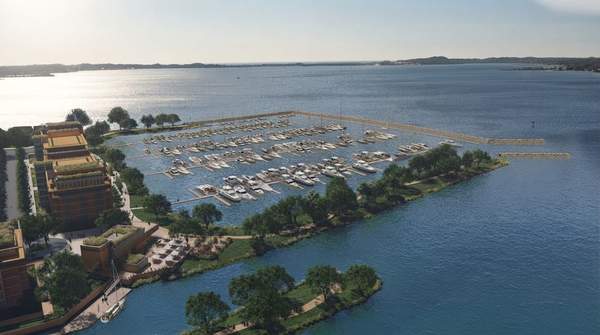
In Denver, the RiNo’s S*Park development isn't merely a luxury community; it pioneers as the area’s first 'agrihood,' seamlessly blending high-end living with hyper-local food production. This innovative concept, integrating residential buildings with urban farms, offers residents fresh produce directly from their neighborhood, according to Lovewhereyoulivedenver. A profound shift in luxury, emphasizing community and environmental connection, is signaled by such projects.
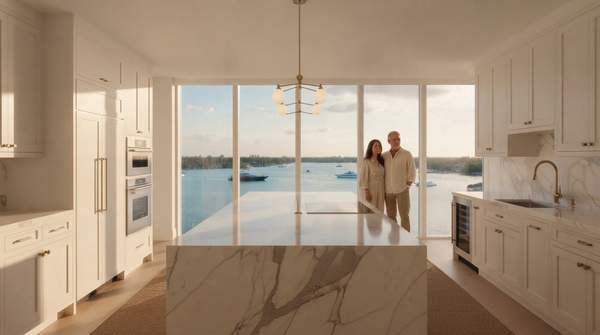
Luxury home construction traditionally prioritizes extravagance and immediate gratification. Yet, a growing segment of buyers now demands environmental responsibility, often despite higher upfront costs. This tension redefines opulence for 2026, positioning sustainable features as a standard expectation rather than a niche offering. Real estate professionals confirm an uptick in luxury buyers considering sustainable home features, notes lovewhereyoulivedenver.com. Stronger resale appeal, particularly among younger high-net-worth buyers, is demonstrated by these green-built homes, according to Fratantoni Luxury Estates.
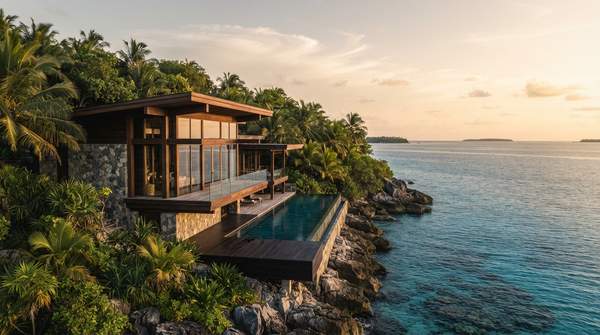
Sustainable luxury home design seamlessly integrates high-end aesthetics and amenities with environmentally responsible practices and materials. This approach reduces a home's ecological footprint throughout its lifecycle, from construction to daily operation, emphasizing energy efficiency, water conservation, and non-toxic, renewable resources. Such residences often incorporate advanced insulation, solar panels, rainwater harvesting systems, and smart home technology, creating opulent living spaces that align high-net-worth lifestyles with ecological stewardship.
The Investment Beyond the Initial Cost
While upfront costs for sustainable luxury homes can be higher, with eco-friendly materials potentially increasing construction costs by up to 20% (MCM Communities), this is not a cost-cutting measure. Instead, it is a strategic investment in a premium market segment. Buyers are willing to pay more for long-term value and ethical alignment, fundamentally altering the calculus of luxury home ownership. This initial investment directly contributes to future marketability, appealing to younger, environmentally conscious high-net-worth buyers who prioritize long-term asset appreciation over immediate savings. A broader lifestyle preference where affluent buyers seek properties that align with their values, driving developers towards holistic sustainability, including site planning and community integration, is reflected by this shift beyond material choices. Market data confirms that properties with verified green certifications command higher prices and sell faster than comparable non-certified homes. This reinforces the financial prudence of integrating sustainable design, transforming it from a niche preference into a critical market differentiator.
Prefab: A Path to Accessible Sustainable Luxury
Luxury prefab homes present a scalable and often more accessible entry point into sustainable living. A smaller, 1,500-square-foot luxury prefab home may start around $200,000, while a 5,000-square-foot residence can easily surpass $1 million, with a three-bedroom, two-bathroom option costing about $600,000 (MCM Communities). This versatility makes high-end, eco-friendly design achievable across various budgets and scales, broadening its market appeal beyond bespoke builds. Prefabrication also offers greater control over material sourcing and waste reduction, further enhancing its sustainable credentials and making environmentally responsible opulence a tangible reality for a wider affluent demographic.
Key Principles of Sustainable Luxury Home Design
Sustainable luxury home design prioritizes energy efficiency, water conservation, and healthy indoor environments. This includes passive solar design, renewable energy sources like geothermal heating, and durable, non-toxic materials. Propel Studio emphasizes site-specific design to maximize natural light and ventilation, a core element of sustainability.
Incorporating Eco-Friendly Materials in High-End Homes
Integrating eco-friendly materials involves selecting reclaimed wood, bamboo flooring, recycled steel, and low-VOC paints. Luxury homes can utilize these in custom cabinetry, structural elements, and sophisticated finishes. Worth suggests cork for its aesthetic appeal and acoustic benefits.
Benefits of Sustainable Luxury Architecture
Sustainable luxury architecture delivers reduced utility costs, enhanced indoor air quality, and increased property value. Such homes often qualify for green building certifications, boosting resale appeal and demonstrating environmental responsibility. Homes with ENERGY STAR certification, for instance, typically consume 15% less energy than conventional homes, offering tangible savings.
By Q3 2026, developers failing to adapt to these evolving demands risk significant market share loss. Companies like MCM Communities, offering scalable prefab solutions for sustainable luxury, stand to gain as buyers increasingly prioritize environmental responsibility as a core component of opulence and long-term investment.