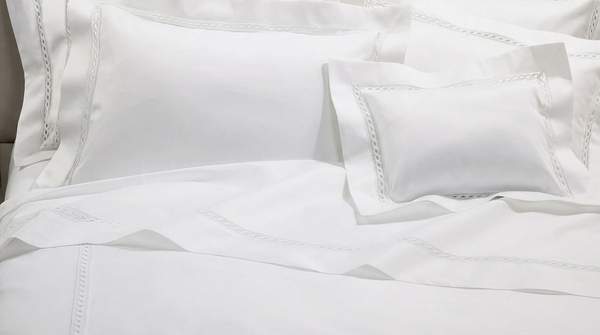
In a country grappling with 4.5% inflation, Brazil's luxury pillow cover market defied expectations, surging by 18% in 2023. The 18% growth, primarily fueled by online sales and a new generation of affluent buyers, signals a resilient consumer segment. While Brazil faces persistent economic volatility, its luxury home decor market expanded by 12% to $1.5 billion in 2023, according to Euromonitor International, with luxury pillow covers significantly outperforming the broader sector. The average price point for a luxury pillow cover in São Paulo also rose by 7% year-over-year, as per the Luxury Home Trends Report, 2024. This sustained purchasing power among high-net-worth individuals, coupled with strong local design and e-commerce performance, positions Brazil's luxury home decor sector for continued expansion and investment.
A Refined Market Emerges
E-commerce platforms now drive 45% of luxury pillow cover sales, up from 28% two years prior, according to E-commerce Brazil Data. E-commerce platforms now drive 45% of luxury pillow cover sales, up from 28% two years prior, a crucial shift in how affluent consumers acquire high-end home textiles. Concurrently, local Brazilian designers command 60% of the market, often integrating unique cultural motifs, as reported by the Brazilian Design Council. The dual dominance of digital channels (45% of sales) and local craftsmanship (60% of the market) suggests a discerning consumer base that values both convenience and authentic, culturally resonant products. For more, see our Sustainable Luxury Home Design Trends.
The 'home as sanctuary' trend, cited by the Global Wellness Institute, continues to fuel investment in premium interior items. Younger affluent consumers (under 40) are particularly driving demand for modern, minimalist luxury designs, a departure from traditional ornate styles, according to the Gen Z & Millennial Luxury Study. The evolving aesthetic preference of younger affluent consumers (under 40) for modern, minimalist luxury designs, coupled with a focus on unique, locally-produced goods, indicates a market maturing beyond mere status symbols towards personalized luxury and well-being.

E-commerce, Influence, and Ethical Imperatives
Social media influencers specializing in home styling have significantly amplified the visibility of high-end brands, according to Influencer Marketing Hub Brazil. The digital reach from social media influencers, combined with record attendance and sales at a new luxury home decor fair in Rio de Janeiro, reported by Expo Decor Brazil Organizers, confirms the power of targeted engagement in the luxury textile market. These channels effectively connect niche products with a broader, affluent demographic.
A notable trend is the 30% surge in demand for sustainable and ethically sourced materials among affluent consumers, according to Consumer Insights Brazil. The 30% surge in demand for sustainable and ethically sourced materials among affluent consumers suggests that luxury is increasingly defined not just by aesthetics, but by responsible production. The convergence of sophisticated digital marketing, curated events, and a new generation of buyers creates a dynamic ecosystem where both design and ethical sourcing are paramount.
Insulated Growth and Local Advantage
Luxury consumers in Brazil maintain robust purchasing power despite the national 4.5% inflation rate, according to the Brazilian Central Bank Report. The resilience of luxury consumers in Brazil, who maintain robust purchasing power despite the national 4.5% inflation rate, suggests a segment of the population largely insulated from broader economic pressures. Further bolstering the market, high import taxes on finished luxury textile goods render local production more competitive, as stated by the Ministry of Economy, Brazil. High import taxes on finished luxury textile goods render local production more competitive, creating a protective environment for domestic brands.
The affluent class itself is expanding, with high-net-worth individuals (HNWIs) in Brazil growing by 10% in 2023, according to the Capgemini World Wealth Report. The 10% growth in high-net-worth individuals (HNWIs) in Brazil in 2023, coupled with favorable trade policies, directly fuels the luxury pillow cover market's growth, demonstrating how wealth concentration and strategic protectionism can foster niche market prosperity.
Outlook and Obstacles
The luxury pillow cover segment is projected to maintain a robust 15% compound annual growth rate (CAGR) through 2028, according to Market Research Future. The luxury pillow cover segment is projected to maintain a robust 15% compound annual growth rate (CAGR) through 2028, signaling significant expansion, with leading Brazilian luxury brands eyeing strategic growth into neighboring South American countries, as noted by the Export Promotion Agency, Brazil. Such regional expansion could solidify Brazil's position as a luxury textile hub.
However, this growth trajectory faces headwinds, particularly the 15% increase in premium raw material costs, such as Egyptian cotton and silk, over the last year, according to the Global Textile Index. Sustaining the projected CAGR will depend heavily on brands' ability to effectively manage these escalating input costs without compromising quality or market position.
The Brazilian luxury pillow cover market, if it successfully navigates rising raw material costs and maintains its appeal to a growing, digitally-savvy affluent class, appears likely to sustain its impressive growth trajectory and expand its regional influence.