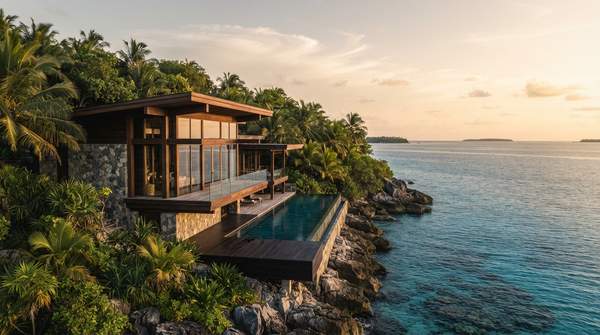
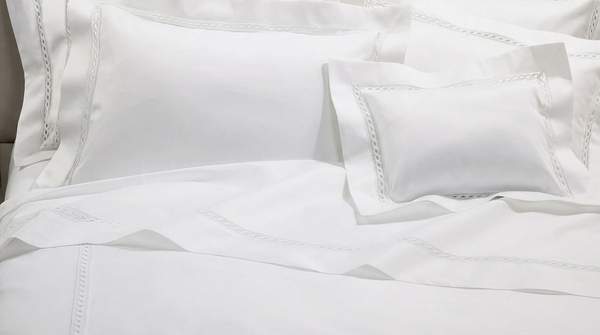
By 2026, 70% of new luxury home builds are projected to integrate advanced smart home systems, up from 45% in 2023, according to Luxury Living Institute. This redefines opulence, shifting value to integrated functionality and bespoke experiences over visible extravagance. These sophisticated systems will invisibly enhance a home's sustainable and personalized experience.
Luxury home design is increasingly defined by invisible technology and understated sustainability, yet the market demands a premium experience that justifies high costs. Buyers seek environmental responsibility and seamless convenience without compromising comfort or investment value.
This trajectory suggests luxury homes in 2026 will be intelligent, responsible, and deeply personal sanctuaries, moving beyond conspicuous consumption. High-net-worth individuals already pay a 20-30% premium for hyper-personalized wellness spaces, according to Wealth Management Insights, affirming this shift.
1. Reimagined Heritage with Modern Forms
Best for: Discerning collectors who appreciate historical depth with contemporary execution.
Designers abstract heritage through hand-troweled plaster, carved woods, and inlaid stone in cleaner, sculptural forms, reinterpreting history for modern life, according to Veranda. This approach cultivates a unique aesthetic depth, appealing to those who value rootedness over overt historical replication.
Strengths: Offers unique aesthetic depth and a sense of rootedness. | Limitations: Requires skilled artisans and can be costly. | Price: High.
2. Authentic, Lived-in Personalization
Best for: Families and individuals prioritizing comfort, functionality, and genuine daily living over curated appearances.
Decorating is moving beyond curated appearances; rooms are showcased as genuinely lived-in, according to Vogue. Dining chairs, central to daily life, exemplify this shift. This reflects a deeper value placed on genuine comfort and functional connection to space, rather than mere display.