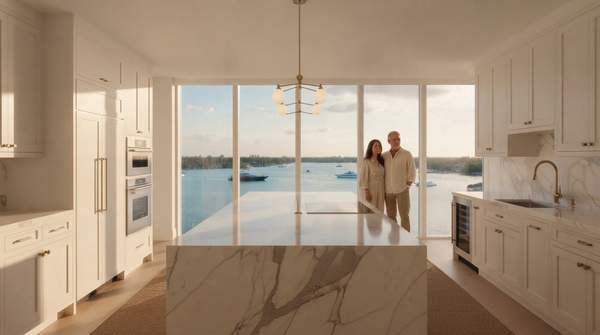
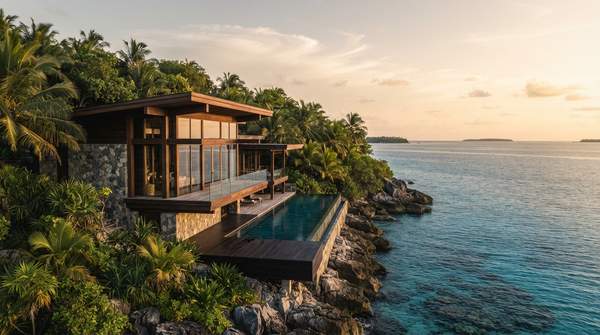
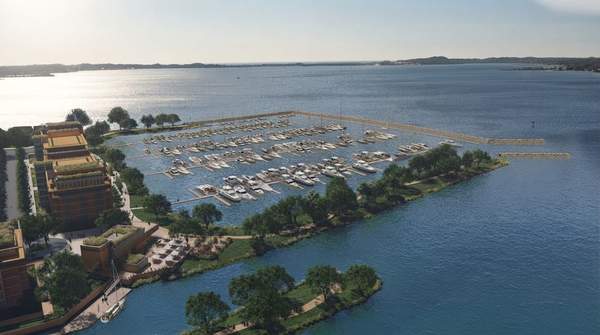
In Florida's high-risk environments, the true marker of modern luxury real estate is no longer merely expansive square footage or opulent marble countertops, but durability, adaptability, and resilience under increasing environmental stress. Coastal properties, once valued for their proximity to water, now demand advanced fortifications and efficient systems to withstand the challenges presented by a changing climate, according to The Invading Sea. This shift reorients premium housing toward long-term security and sustainable functionality.
Luxury housing has historically been defined by excess and extravagance, but its highest form is now increasingly characterized by efficiency, scarcity, and environmental consciousness. The prevailing mindset among discerning buyers of eco-luxury conscious living premium housing in 2026 prioritizes intrinsic value over outward display. This evolution reshapes what constitutes true prestige.
The premium real estate market is likely to see a significant revaluation, where properties lacking advanced sustainable and resilient features will struggle to maintain their top-tier status. This redefinition of luxury demands properties that offer both sophisticated design and robust defensive qualities, ensuring enduring value.
What Defines Premium Living Today?
The re-evaluation of luxury extends beyond aesthetics to intrinsic strength and longevity. High-end properties now demand features that move beyond superficial displays, focusing instead on how effectively a home performs and protects its inhabitants. This profound shift signifies that true value and prestige now reside in a property's inherent resilience, particularly in vulnerable regions like Florida, according to The Invading Sea.
The new luxury isn't merely about surviving environmental challenges; it demands thriving efficiently within them, turning ecological consciousness into a premium feature. This perspective elevates reinforced foundations, advanced stormwater management, and hurricane-rated windows from mere necessities to core components of a property's allure. Homeowners now seek assets that provide peace of mind and long-term security, rather than simply grand aesthetics.
Why is Efficiency a Luxury Feature?
Net-zero-energy homes produce as much or more energy than they consume, reports center-realestate. These properties integrate sophisticated energy generation and conservation technologies, representing a pinnacle of efficiency. Energy-efficient homes with solar panels and advanced insulation can reduce electricity costs dramatically; solar power systems potentially lower bills by 70% or more, states The Invading Sea. Such substantial reduction in operational expenses adds a tangible financial benefit to environmental advantages.
Sustainable living is not a compromise but an enhancement, offering both environmental benefits and significant operational savings for luxury homeowners. What was once a cost-saving measure—efficiency in energy and water—has become a core component of the luxury value proposition, offering both environmental benefit and financial advantage. Premium buyers now expect homes that are not only beautiful but also intelligent and economical to operate, reflecting a sophisticated understanding of long-term value.
Does Scarcity Define Ultra-Luxury?
Low occupancy designs in ultra-luxury hospitality prioritize exclusivity, privacy, and anticipatory service, according to Hospitality Net. This approach extends to residential developments, where true ultra-luxury is now defined by deliberate scarcity and intimate experiences, moving away from grand scale to curated privacy. Scarcity in the number of rooms, typically below 75 keys, marks ultraluxury from luxury, fostering an intimate community feel, also noted by Hospitality Net. This directly contradicts the traditional 'bigger is better' luxury mindset. True ultra-luxury now provides a sense of rare privilege through curated experiences and intentional limitation, rather than overt extravagance. The emphasis shifts to bespoke services and a genuine sense of belonging within a select community. Developers and homeowners embracing sustainable, resilient, and experience-focused luxury are positioned to thrive in this evolving market, appealing to those who value discretion and genuine exclusivity over ostentatious displays.
What Are the Benefits of Sustainable Luxury Homes?
WaterSense-labeled fixtures use at least 20% less water than standard models, according to center-realestate. Such details, while seemingly minor, contribute to a property's overall efficiency and appeal to a conscious consumer base. The demand for eco-luxury conscious living premium housing in 2026 extends beyond energy production to every aspect of resource management within a home.
Conscious consumption, even in seemingly small details, contributes to a holistic sense of well-being and responsible ownership that resonates deeply with modern luxury buyers. These buyers seek homes that align with their values, offering not just comfort and prestige, but also a demonstrable commitment to environmental stewardship. The combined evidence from center-realestate and The Invading Sea suggests that what was once a pragmatic choice for sustainability—like WaterSense fixtures and solar panels—is now a non-negotiable expectation for premium buyers, fundamentally altering the value proposition of high-end homes.
Future Trends for Premium Real Estate
The market is poised for a significant transformation. Properties that fail to integrate these new markers of luxury will increasingly appear outdated and less desirable. Based on data from The Invading Sea, companies still defining luxury by square footage and marble countertops are missing the seismic shift towards resilience and efficiency, leaving them vulnerable in high-risk markets like Florida. Traditional luxury developments, prioritizing opulence over efficiency and durability, will likely struggle to attract discerning buyers.
Hospitality Net's insights reveal that true ultra-luxury is no longer about sprawling resorts but about curated intimacy and deliberate scarcity, challenging the industry to rethink scale in favor of exclusive experience. This reorientation positions developers like The Peninsula Hotels, known for their intimate and bespoke guest experiences, favorably for the evolving market. By Q4 2026, developers who do not integrate advanced sustainable technologies and focus on genuine exclusivity may face significant challenges in maintaining their competitive edge in the premium real estate sector.