Why Eco-Luxury Homes Are Built to Last Centuries, Beyond 2026

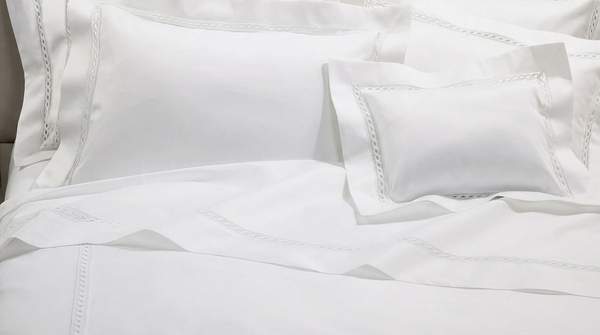
A handcrafted sofa made with FSC-certified wood and natural latex foam, costing $2,400, has lasted 9 years and remains flawless.

SD
Sebastian Duval

April 20, 2026 · 2 min read

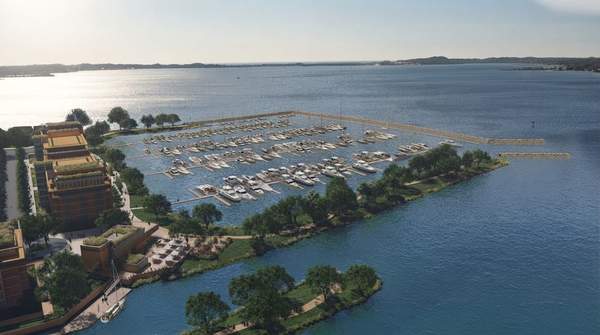
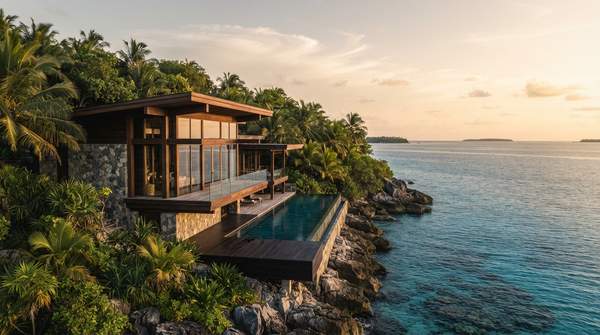
A stunning eco-luxury home with sustainable materials, blending harmoniously with a vibrant natural environment, showcasing timeless design.

A handcrafted sofa made with FSC-certified wood and natural latex foam, costing $2,400, has lasted 9 years and remains flawless. In contrast, a client spent nearly $2,000 replacing a $900 IKEA couch twice in seven years, according to Spacesbyjohnross. Initial investments in durable, sustainably made items yield significant long-term savings and superior performance in eco-luxury design.

Many perceive sustainable design as a premium expense for niche materials. Yet, its most effective form centers on permanence and long-term architectural endurance, often proving more economical and environmentally beneficial than disposable 'sustainable' alternatives.

The market for premium, enduring sustainable design is poised to grow as discerning consumers increasingly recognize its profound environmental and financial advantages over short-lifecycle products.

Beyond Green: The New Definition of Sustainable Luxury

Sustainable luxury emphasizes longevity over mere material choices. Yanko Design positions permanence as the most effective environmental care in design, shifting sustainability from material focus to a holistic approach centered on enduring performance. Companies pushing disposable 'sustainable' products with green labels misunderstand this principle. As the spacesbyjohnross couch example illustrates, true eco-responsibility and long-term value demand design for permanence, not planned obsolescence. Items that remain functional and aesthetically relevant for decades, curbing the cycle of consumption and waste, are prioritized.

The Tangible Savings of Eco-Conscious Homes

Intelligent sustainable design offers direct, measurable financial advantages. Features like Nest thermostats or zoned HVAC systems can reduce annual heating and cooling costs by 10–20%, according to Spacesbyjohnross. Operational efficiencies provide immediate savings, reinforcing the long-term economic benefits of durable, high-quality construction and furnishings.
Designing for Centuries: The Imperative of Architectural Endurance

True ecological responsibility demands architectural endurance. Reduced carbon impact stems from buildings designed to perform for centuries, according to Yanko Design. The most profound environmental benefit comes from creating structures and items that resist obsolescence and minimize replacement. The perception of sustainable design as a costly niche is flawed; evidence from long-lasting products and buildings confirms it as a long-term economic advantage, not a premium. A definitive shift from transient trends to foundational quality is signaled.

The Future is Permanent: 2026 and Beyond

Sustainability in design will mean permanence, focusing on longevity rather than short lifecycles or rapid replacement, according to Yanko Design. This trajectory shapes future luxury markets, prioritizing enduring value over transient trends. The upfront cost of 'sustainable' products often misleads consumers; evidence from spacesbyjohnross confirms that initial investment in durable goods ultimately saves money and reduces environmental impact.

Lessons in Lasting Impact: Upgrading, Not Replacing

The Fenix Museum of Migration in Rotterdam, designed by MAD Architects, exemplifies sophisticated sustainability. Its façade was upgraded for energy performance, enhancing thermal efficiency without replacing the historic envelope, according to Yanko Design. Investing in existing structures' enduring quality and performance proves more impactful than constant new 'green-certified' construction. Luxury developers increasingly adopt similar renovation philosophies for heritage properties, extending their lifespan by decades.