Luxury Living

What is Sustainable Luxury Home Design and Why is it Essential in 2026?

Prefabrication and modular construction methods can slash construction waste by an astonishing 83.

SD
Sebastian Duval

April 12, 2026 · 4 min read

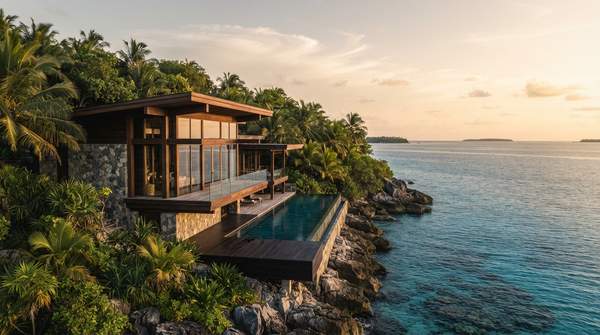
A stunning, eco-friendly luxury home showcasing sustainable materials and seamless integration with nature, representing the future of design in 2026.

Prefabrication and modular construction methods can slash construction waste by an astonishing 83.2%, proving that luxury homes can be built with minimal environmental impact, according to SFS. A dramatic reduction in waste volume directly challenges traditional construction paradigms, which often generate vast landfill material. It establishes sustainable luxury home design and eco-friendly materials as the definitive standard for 2026 and beyond.

Sustainable luxury homes are often perceived as costly and complex. Yet, many foundational elements are either cost-neutral or offer significant long-term savings and enhanced living experiences.

As environmental concerns intensify and technological advancements make sustainable solutions more accessible, sustainable luxury design will become the undisputed standard for high-end homes, rendering traditional wasteful practices increasingly obsolete and less valuable.

What is Sustainable Luxury Home Design?

Sustainable luxury home design transcends mere eco-friendliness. It integrates innovation, enhanced comfort, and longevity into the very fabric of a residence. Smart, adaptive materials increase a structure’s efficiency, extend its lifespan, and enhance occupant comfort by responding to environmental changes in real-time. Advanced technology creates homes that are not only environmentally responsible but also inherently more comfortable, efficient, and resilient. The incorporation of adaptive materials transforms climate resilience from a burden into a tangible comfort advantage for homeowners.

Innovative Solutions for a Greener Home

Site orientation dramatically impacts a home's performance without adding project cost, according to Propel Studio. A foundational design choice, often overlooked, directly influences natural light, heating, and cooling, thereby reducing energy consumption without additional expense. Furthermore, low-flow toilets and baths help homeowners save as much as 50% of their daily water consumption, according to Knof Design. Such strategic design choices, combined with efficient fixtures, prove that significant environmental and cost benefits arise from thoughtful planning and material selection. Luxury builders who ignore sustainable design are leaving immediate value on the table, not just future resilience.
Beyond Aesthetics: The Hidden Value of Sustainable Luxury

Sustainable luxury extends beyond visible features, offering profound, long-term advantages in occupant well-being and property resilience that significantly enhance overall value. These homes often incorporate advanced air filtration systems and non-toxic materials, contributing to superior indoor air quality and overall occupant health. The long-term durability of adaptive materials and thoughtfully planned structures also reduces maintenance costs and extends the property's lifecycle. Homeowners investing in sustainable luxury are not merely making an ethical statement; they are actively future-proofing their assets by leveraging adaptive materials and achieving significant operational savings. These investments make these properties inherently more valuable and resilient against escalating resource costs.

Why Sustainable Design is No Longer Optional

Incorporating sustainable design features is imperative to address climate change, reduce waste, and create healthy, comfortable, and inspiring spaces, according to Propel Studio. The urgent need for reduced environmental impact drives the adoption of green building practices. Luxury developers who fail to adopt prefabrication and modular construction not only contribute to environmental waste but also forgo substantial gains in project efficiency and profitability. The imperative for sustainable design is clear: it is a critical tool for mitigating environmental crises while simultaneously elevating the quality of our living environments.

Common Questions About Eco-Luxury Homes

What are the most eco-friendly materials for luxury homes?

Beyond traditional options, leading eco-friendly materials for luxury homes include reclaimed wood, bamboo, and recycled steel, offering both aesthetic appeal and robust structural integrity. Innovations like mycelium-based insulation and cork flooring also provide sustainable alternatives with unique textures and thermal properties.

What are innovative solutions for sustainable luxury housing?

Innovative solutions extend to advanced building envelopes, such as passive house standards that drastically reduce energy demand through superior insulation and airtight construction. Rainwater harvesting systems for irrigation and toilet flushing, alongside geothermal heating and cooling, offer significant resource conservation and long-term utility savings.

How to design a luxury home with sustainable materials?

Designing a luxury home with sustainable materials involves collaborating with certified green architects who can integrate passive design principles, such as optimal solar orientation and natural ventilation. Prioritizing local material sourcing reduces transportation emissions. Selecting materials with high recycled content or certifications like Cradle to Cradle ensures minimal environmental impact throughout the product lifecycle.

The Future is Green, Comfortable, and Luxurious

The convergence of luxury, comfort, and environmental responsibility is not merely a trend but the inevitable future of discerning homeownership. By 2028, leading luxury developers are expected to integrate at least 75% sustainable materials into their new builds, driving a market shift towards properties that offer both opulence and ecological integrity. This market shift ensures that a home's prestige will increasingly be measured by its harmony with the environment and its contribution to a sustainable future.