Valentino and Gucci recently faced significant consumer backlash for their AI-generated campaigns and digital twins. This revealed a surprising resistance to purely digital artistry in the luxury sector. Luxury fashion houses initially sought innovation and efficiency through AI, but consumers rejected these digital approaches, demanding traditional craftsmanship. Therefore, the future of digital artistry in luxury fashion will likely require a nuanced, human-centric integration, not full automation, as brands prioritize authenticity to maintain trust.
The Unseen Costs of Digital Glamour
Integrating AI in fashion campaigns presents significant ethical and practical challenges beyond aesthetics. A primary concern involves copyright issues, especially when AI models train on human-generated art without attribution or compensation, as reported by nss magazine. This lack of clear origin undermines the originality vital to luxury. Moreover, AI algorithms risk generating repetitive, unoriginal content, threatening brand exclusivity. Luxury consumers expect unique narratives reflecting heritage and creative vision. When AI visuals lack distinctiveness, they dilute a brand's unique selling proposition. Adopting AI in luxury, therefore, is not just a creative choice; it's a decision fraught with ethical and practical challenges that actively generate negative brand associations, implying a deeper threat to brand equity than mere aesthetic missteps.
Luxury's Pivot: Reclaiming the Human Touch
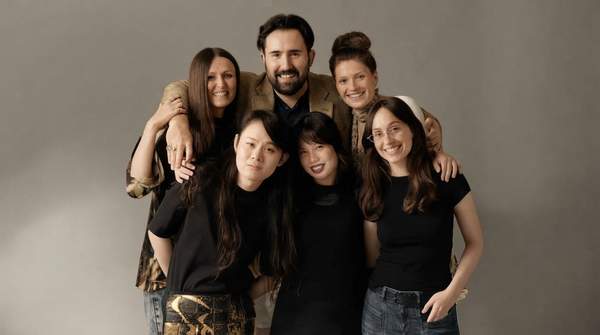
Responding to AI criticism, luxury brands now emphasize human craftsmanship and the 'Made in Italy' ethos in marketing, as reported by nss magazine. This re-emphasis counters the abstract nature of AI content. The rapid shift confirms brands understand their clientele values artisanal heritage. For luxury consumers, a product's value ties deeply to its human origin and meticulous skill. Brands invest in narratives celebrating hands-on processes, artisan legacies, and tangible material quality. This swift return to 'Made in Italy' craftsmanship proves AI's perceived cost savings or novelty are insignificant against consumer demand for human artistry and ethical production. The implication is clear: authentic human creation remains the ultimate luxury differentiator, a truth brands cannot afford to ignore.
Beyond the Hype: The Enduring Value of Authenticity
The consumer backlash against AI-driven campaigns offers critical insight into luxury brand identity and trust. Technological innovation can enhance fashion, but it cannot replace the intrinsic value consumers place on authenticity, heritage, and human connection. Brands that misjudged their market, prioritizing perceived technological innovation over established brand identity, risked brand dilution. Luxury marketing must renew its focus on storytelling that emphasizes the human element behind creation, from designer vision to artisan touch. True luxury is built on authenticity, heritage, and human connection; digital tools must enhance, not replace, these foundations. Consumers seek transparency and genuine connection, making human artistry a paramount value proposition. The implication is that technology, when applied without understanding core luxury values, becomes a liability rather than an asset.
Your Questions Answered: AI in Luxury Fashion
What are the benefits of using digital art in fashion campaigns?
Digital art offers enhanced visual flexibility, creating elaborate, imaginative worlds beyond physical limits. It allows rapid concept iteration and reduces logistical complexities and costs associated with traditional photo shoots, like travel and set construction.
How is AI impacting digital artistry in fashion?
AI's impact is complex. It automates repetitive tasks and generates design variations quickly, but its use in core creative output faces resistance. AI tools are more effective as assistants for human artists, aiding ideation or rendering, rather than autonomously creating entire campaigns. This preserves artistic integrity.
What are the latest trends in 3D animation for fashion?
Trends include hyper-realistic digital garments for virtual try-ons and immersive metaverse experiences. Brands explore advanced motion capture for lifelike digital models and integrate interactive elements, allowing consumers to engage directly with virtual collections.
The Future is Human-Centric
The luxury fashion sector's swift retreat from heavily AI-generated campaigns reveals a fundamental miscalculation of consumer values. The market decisively prefers tangible authenticity and human craftsmanship over digital efficiency. This forces brands to re-center heritage as their core value proposition for 2026 and beyond. Ultimately, successful digital artistry in luxury fashion will likely amplify, rather than diminish, the irreplaceable human element. For brands like Valentino, future digital endeavors will integrate technology as a sophisticated tool, highlighting human creativity and ensuring luxury's essence remains rooted in artistry and genuine connection.


