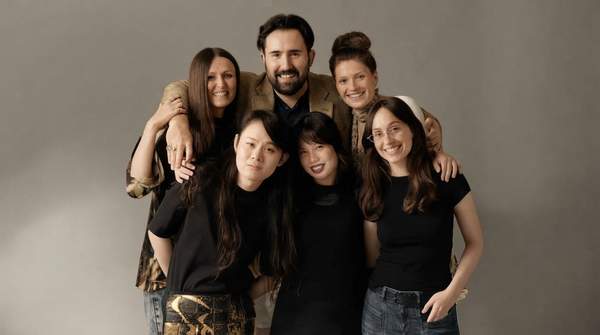
In Bogotá, a new generation of designers crafts meticulously finished garments and accessories. These pieces rival international luxury brands, yet remain within reach of a broader consumer base. This movement, defining luxury fashion for 2026, prioritizes craftsmanship and unique aesthetics, directly challenging traditional exclusivity.
Luxury fashion has long been exclusive and expensive. Now, a new wave of designers makes high-quality, distinctive pieces more accessible. This tension emerges as consumers seek value and individuality beyond established brand names.
The definition of luxury will broaden beyond established labels and price points. Consumer demand for value and the rise of innovative, globally-minded designers drive this shift.
Affordable luxury delivers high-quality garments and accessories. These pieces feature meticulous finishes and distinctive details at competitive prices, as noted by paisajelatino. Luxury is fundamentally redefined, shifting focus from brand name to craftsmanship and distinctiveness at a reasonable cost, rather than exorbitant pricing alone.
The New Vanguard: 7 Emerging Luxury Fashion Designers to Watch in 2026
The 2026 fashion sphere reveals new talents. They prove innovation and influence can originate beyond traditional fashion capitals. Nylon highlights individuals shaping men's fashion, often operating on the fringes of the mainstream. These designers form the vanguard of a new aesthetic, signaling a global shift in creative authority.
Brian Reyes
Best for: Discerning collectors seeking bespoke artistry.
Brian Reyes returns to fashion with a made-to-order collection for Spring 2026, marking a significant re-emergence. He began his career 25 years ago, established his line in 2005, and last presented a collection in Resort 2011, as reported by Vogue. His return confirms a designer with a proven track record, now focusing on exclusive, tailored pieces. This bespoke approach reasserts true luxury through rarity and personal connection.
Strengths: Proven design history, bespoke approach, high-end craftsmanship. | Limitations: Limited accessibility due to made-to-order model. | Price: High-end bespoke.
Mel Usine
Best for: Fashion-forward individuals seeking fresh perspectives.
Conceived in 2024, Mel Usine brings a modern sensibility to luxury. Founder Stephen Biga brings a strong design background, honed at Proenza Schouler, Gabriela Hearst, and Rodarte. His experience with established luxury brands provides a solid foundation, positioning Mel Usine as a sophisticated new entrant with immediate credibility.
Strengths: Strong luxury design pedigree, modern aesthetic, innovative vision. | Limitations: New brand, limited established presence. | Price: Emerging luxury.
Aisling Camps
Best for: Those appreciating refined, award-winning ready-to-wear.
Aisling Camps launched her label over a decade ago and gained renewed prominence by winning the inaugural Fashion Trust US award for ready-to-wear in 2023. Her work emphasizes meticulous construction and versatile silhouettes. The recognition affirms her as a designer whose quality and appeal continue to grow, validating her decade-long commitment to refined design.
Strengths: Recognized craftsmanship, established quality, award-winning designs. | Limitations: Less 'new' as a brand, but gaining fresh attention. | Price: Premium ready-to-wear.
George Trochopoulous
Best for: Enthusiasts of unique, culturally-inspired knitwear.
A London College of Fashion graduate, George Trochopoulous offers carefully woven knitwear silhouettes. His designs draw inspiration from Greek heritage, creating pieces with distinctive cultural depth. This specialized approach carves a unique niche in the luxury market, proving heritage can inspire modern, distinctive craft.
Strengths: Distinctive heritage-based designs, specialized craft in knitwear. | Limitations: Niche product focus. | Price: Mid-luxury.
Flor Amazona
Best for: Adornment with cultural depth and artisanal quality.
Flor Amazona offers artisanal jewelry inspired by pre-Columbian gold and the rich biodiversity of the Colombian Amazon, as highlighted by Casa Precis. Each piece reflects a deep connection to Colombian heritage. The brand embodies accessible luxury through its unique, handcrafted details, offering cultural depth often missing from mass-produced items.
Strengths: Unique cultural inspiration, handcrafted details, artisanal quality. | Limitations: Limited to jewelry and accessories. | Price: Accessible luxury.
Macondia
Best for: Consumers valuing ethical production and unique design.
Macondia was selected by Casa Precis as a Colombian designer brand for 2026 based on its unique vision, local production, and lasting quality. The brand emphasizes craftsmanship and a distinct aesthetic. Its focus on being made in Colombia answers a growing demand for transparency and local sourcing in luxury, elevating ethical production to a core luxury value.
Strengths: Emphasizes quality and local craftsmanship, unique design vision. | Limitations: Less international exposure compared to global brands. | Price: Accessible luxury.
Lina Enríquez
Best for: Discovering distinctive Colombian design.
Lina Enríquez, also recognized by Casa Precis, meets criteria for unique vision, being made in Colombia, and lasting quality. Her work showcases the creative potential emerging from non-traditional fashion hubs. The brand offers pieces prioritizing design integrity over brand premium, demonstrating that true value lies in inherent artistry.
Strengths: Focus on unique vision and enduring quality, authentic Colombian design. | Limitations: Regional focus. | Price: Accessible luxury.