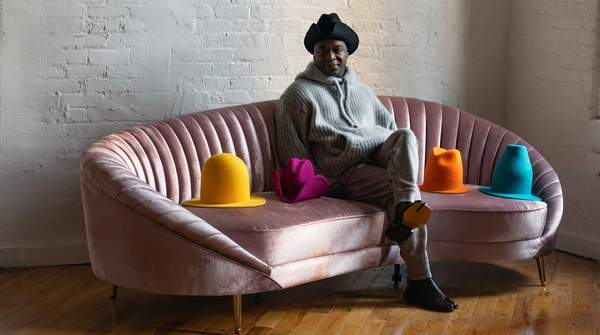
Commissioning a bespoke hat is a collaborative, multi-stage process that typically unfolds over several studio visits and roughly six weeks, though timings vary. The client's role is active rather than passive: you bring your outfit, describe the occasion, try on shapes, and give feedback at fittings while the milliner translates those inputs into a headpiece made for you alone. Understanding the stages—and the decisions each one demands—turns what can feel like an intimidating luxury purchase into a structured, enjoyable collaboration.
The Bespoke Millinery Journey: An Overview
Unlike buying a hat off the shelf, commissioning a couture hat is, in the words of milliner Heather Norman's studio, "a journey." Private studio appointments allow clients to explore ideas, try on shapes, and discover what suits their face, figure, and outfit. The rhythm of choosing colour, structure, and style is part of the appeal; for many clients, the appointment itself becomes one of the most enjoyable parts of preparing for a special event.
The demand for this craft is strongest around occasions that call for it: weddings, the racing season, garden parties, and national social events such as Royal Ascot, the Cheltenham Festival, Goodwood, and Henley Royal Regatta. These events give individuals the opportunity to embrace tradition while expressing personal style, and a couture hat elevates an outfit, adds confidence, and often becomes a cherished keepsake.
While every milliner works slightly differently, the client journey generally follows a recognizable arc: an initial consultation to define the vision, a design and material selection phase, one or more fittings to refine structure and colour, and a final visit to collect the finished piece. Leanne Fredrick of Hattin' Around structures her process around three studio visits over approximately six weeks—though she notes that most hats take three visits, it can occasionally take more or fewer, and the six-week figure is an estimate that she refines at the first fitting.
Initial Consultation: Defining Your Vision
The first visit is about communication. As Fredrick puts it, "hats are all about communicating. What do you want to say?" Ideally, you bring the garment itself—a dress, coat, or a fabric swatch—along with key accessories such as shoes or a handbag. For a special-event hat, she asks clients to tell her "the who, what, where, and when."
Bringing the actual outfit matters more than a description. Judy Bentinck, a London-based couture milliner, describes how every element of a bespoke piece is assessed in relation to the wearer, her outfit, the setting, and the dress code. The purpose is not simply to find a flattering silhouette but to create a piece with the right proportion, poise, colour, and comfort for the person wearing it—particularly important when a hat must carry someone from a ceremony through a long afternoon reception.
The first appointment also involves the practical foundations of fit. Trying on sample hats helps you discover which shapes work with your face and figure, and the milliner takes your head measurements. At Formé Millinery, the standard method is to wrap a tape measure around the head just above the ears and eyebrows, fitted comfortably as a hat would sit. Adjustable sweat bands are offered there for gifts, where the recipient's exact size may not be known.