Top 4 Michelin Star Restaurants in Asia Redefining Fine Dining

In southern Taiwan, securing a table at Akame, a Michelin-starred restaurant that cooks exclusively with traditional wood-fired kilns, is considered the region's toughest reservation.

LF
Lucia Ferraro

May 30, 2026 · 3 min read

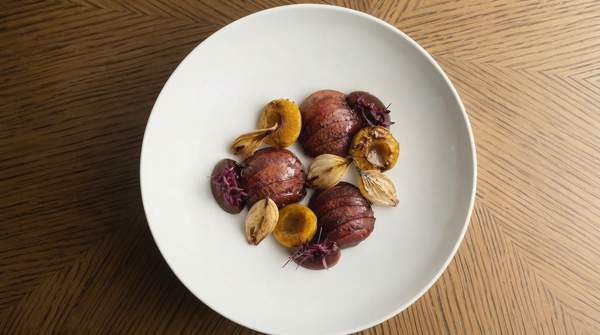
An exquisite, artfully presented dish at a Michelin-starred Asian restaurant, showcasing local ingredients and innovative culinary techniques.

In southern Taiwan, securing a table at Akame, a Michelin-starred restaurant that cooks exclusively with traditional wood-fired kilns, is considered the region's toughest reservation. High demand for Akame reveals a shift where unique local culinary practices now captivate diners more than established global luxury.

Michelin's global standard of recognition is applied across Asia, but the awarded restaurants increasingly define themselves through bold local identities and innovative expressions. Awarded restaurants increasingly define themselves through bold local identities and innovative expressions, contrasting with a singular, universal gastronomic template that once dominated the fine dining world.

The future of global fine dining appears likely to be increasingly shaped by the diverse, innovative, and locally-rooted culinary narratives emerging from Asia. These establishments offer compelling culinary experiences that redefine excellence.

Pioneering Tastes: Asia's Michelin Stars Redefining the Plate

1. Jungsik

Jungsik pioneered "New Korean" dining, redefining Seoul's fine-dining scene, according to Tatler Asia. Jungsik's innovative approach proves local identity can drive global recognition.

2. Akar in Malaysia

Akar in Malaysia celebrates its local ecosystem, featuring indigenous ingredients. Akar's hyper-local focus connects modern fine dining directly to the region's natural bounty.

3. Akame in Taiwan

Akame, in southern Taiwan, uses traditional wood-fired kilns, making it the region's hardest reservation, per Tatler Asia. Ancient techniques, not modern equipment, now define consumer demand for authentic, culturally specific experiences.

4. 8½ Otto e Mezzo Bombana Macau

8½ Otto e Mezzo Bombana Macau offers an Italian dining experience, upholding Michelin's global standard. 8½ Otto e Mezzo Bombana Macau's upholding of Michelin's global standard contrasts with Akame and Jungsik, highlighting a growing divide between universal gastronomic templates and Asia's distinct local identities, as noted by Tatler Asia.

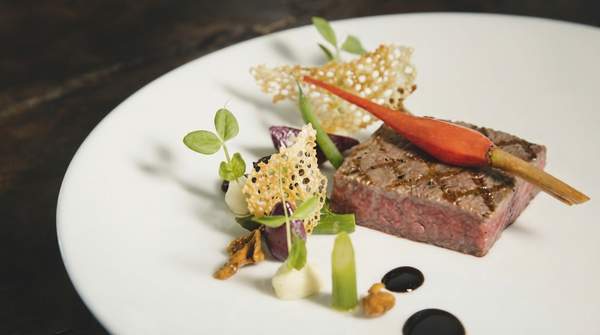
5. Alain Ducasse At Morpheus in Macau

Alain Ducasse At Morpheus in Macau matches its legendary name with consistent execution, according to Tatler Asia. It maintains a high standard of classic fine dining, a counterpoint to the region's emerging culinary narratives.

Beyond the Stars: A Comparative Look at Culinary Philosophies

RestaurantPrimary Culinary ApproachDistinguishing Feature
Jungsik'New Korean' diningPioneering reinterpretation of indigenous cuisine
Akar in MalaysiaLocal ingredient celebrationEcosystem-focused, hyper-local sourcing
Akame in TaiwanTraditional TaiwaneseExclusive use of wood-fired kilns, hardest reservation
8½ Otto e Mezzo Bombana MacauClassic ItalianEstablished global cuisine excellence
Alain Ducasse At Morpheus in MacauFrench Haute CuisineConsistent execution matching a legendary name

These diverse philosophies—from pioneering new national cuisines to perfecting international classics or reviving ancient methods—reveal a profound culinary individualization across Asia's top restaurants. The profound culinary individualization across Asia's top restaurants redefines fine dining standards, moving beyond a singular global template.

How Asia's Culinary Innovators Earn Their Stripes

Jungsik, a pioneer in "New Korean" dining, redefined Seoul's fine-dining scene, earning Michelin recognition. Jungsik's Michelin recognition signals Michelin's growing appreciation for innovative indigenous culinary practices over strict adherence to established global templates.

Akame's traditional wood-fired kilns in Taiwan make it the region's hardest reservation. Akame's success confirms that diners and critics now prioritize authentic, culturally specific experiences over generic luxury. Restaurants clinging to a generic 'international' fine dining standard risk irrelevance. Michelin's recognition in Asia now rewards authenticity, innovative ingredient interpretation, and a unique dining narrative, moving beyond rigid expectations.

The Future is Flavorful: What Asia's Fine Dining Means for the World

Akame's 'hardest reservation' status, built on traditional wood-fired kilns, signals a profound redefinition of luxury. Modern fine dining now values unique local identity and culinary storytelling above opulent ingredients or European techniques.

Asia's Michelin-starred restaurants are not just setting new benchmarks; they are actively shaping the global conversation. They redefine fine dining as diverse, innovative, and deeply rooted in culture, challenging long-held gastronomic norms.

By 2026, the global fine dining landscape will likely see more establishments, inspired by pioneers like Jungsik and Akame, prioritize their distinct cultural narratives to attract discerning patrons.

Your Questions Answered: Navigating Asia's Fine Dining Scene

How to book Michelin-starred restaurants in Asia?

Securing reservations at top Asian fine dining establishments often requires planning months in advance. Many, including those on Tatler Asia's list, use online platforms releasing tables on specific dates. Always check individual restaurant websites for booking policies and release schedules.