Why Michelin Restaurants Are Embracing Plant-Based Menus

In 2023, the number of Michelin Green Star restaurants globally surged by 25%.

LF
Lucia Ferraro

April 22, 2026 · 4 min read

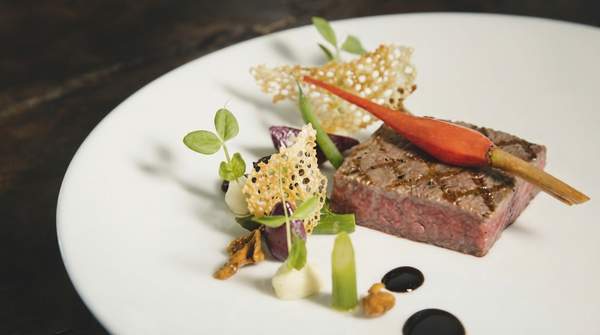
An artfully plated, vibrant plant-based dish presented in an elegant, dimly lit Michelin-starred restaurant setting.

In 2023, the number of Michelin Green Star restaurants globally surged by 25%. Yet, a tasting menu at an entirely plant-based three-Michelin-starred restaurant still commands upwards of $365 per person. This recognition for sustainable dining coexists with prices that firmly place these experiences in the realm of luxury, creating an exclusive tier within environmental consciousness. Michelin-starred establishments increasingly embrace plant-based and sustainable menus, but this shift often serves as a luxury differentiator, not a widespread model for environmental impact. While plant-based fine dining will likely continue its growth as a luxury segment, it may not significantly accelerate broader, affordable sustainable food practices.

Noma, a three-Michelin-starred institution, famously transitioned to a largely plant-based menu before its announced closure, showcasing vegetables' creative potential, according to Noma Official Statement. Similarly, Eleven Madison Park, now entirely plant-based, features a tasting menu upwards of $365 per person, underscoring the premium associated with this dining experience, as detailed on the Eleven Madison Park Menu. This surge in high-end plant-based offerings reveals a clear market for luxury sustainable dining, yet immediately raises questions about its accessibility and broader impact.

Beyond Meat: The Fine Dining Approach to Plants

Chefs like René Redzepi prioritize whole, often rare, and locally sourced vegetables over processed meat substitutes, distinguishing fine dining from mass-market plant-based alternatives, according to an interview with Chef René Redzepi. Michelin-starred establishments treat plant-based ingredients as an artistic challenge, pushing culinary boundaries rather than merely replacing meat, as noted by Food & Wine Magazine. The 'terroir' and provenance of vegetables are highlighted, mirroring the reverence traditionally given to meat and wine, a practice discussed in The Art of Plating. Many cultivate their own gardens or partner with small-scale, regenerative farms, exemplified by Blue Hill at Stone Barns. This bespoke, ingredient-focused method ensures a unique, exclusive supply chain, inherently reinforcing the luxury aspect of their offerings and suggesting a model difficult to replicate broadly.

The Numbers Behind the Shift: Niche vs. Mass

  • 70% — of diners at luxury restaurants are willing to pay a premium for dishes explicitly labeled as sustainable or plant-based, according to a Luxury Restaurant Association Survey (2022).
  • $162 billion — the global plant-based food market is projected to reach this figure by 2030, yet fine dining represents a tiny fraction of this growth, as reported by Bloomberg Intelligence.
  • 5% — of all Michelin-starred restaurants worldwide currently hold a Green Star, indicating limited widespread adoption of comprehensive sustainability practices, based on Michelin Guide Data (2023).
  • Significant — the overall environmental impact of high-end dining, including travel, energy, and waste, remains significant, despite plant-based menus reducing emissions compared to traditional options, according to the Environmental Food Journal.

Despite high consumer willingness to pay for sustainable luxury, comprehensive sustainability's penetration in fine dining remains low, and its overall environmental footprint considerable. A disconnect between consumer intent and broad industry implementation is revealed, suggesting that the current model, while celebrated, is far from a universal solution.

Why the Green Star Appeal? Motivations Beyond Ethics

Chefs report increased creative freedom and a desire to innovate with new ingredients as a primary driver for plant-based menus, a trend explored in the Chef's Table Documentary. This artistic motivation fuels novel culinary expressions. Restaurants also recognize that sustainable and plant-based options attract a growing segment of affluent, ethically-conscious diners, as observed by Restaurant Business Online. The Michelin 'Green Star' provides a significant marketing advantage, signaling commitment to sustainability and enhancing brand value, according to a Michelin Guide Press Release. While some chefs, like Dominique Crenn, cite personal ethical convictions regarding animal welfare and environmental stewardship, this commitment often aligns perfectly with the broader marketing narrative. The shift is thus a complex interplay of creativity, strategic marketing, and ethics, all converging to enhance brand value and solidify plant-based fine dining as a premium offering.

The Future of Food: A Luxury Niche or a Global Model?

The high cost and specialized sourcing of fine dining plant-based menus render them largely inaccessible to the average consumer, limiting their direct impact on mass food systems, according to the Food Policy Institute. While this trend might inspire innovation that eventually trickles down to more accessible dining, the timeline remains uncertain, as noted by the Future Food Institute. The focus on 'luxury sustainability' risks creating a perception that sustainable eating is inherently expensive and exclusive, potentially alienating broader audiences, a concern raised in the Sustainable Food Systems Journal. Furthermore, investment in alternative protein startups surges, but primarily targets scalable, affordable products, not fine dining ingredients, according to a Crunchbase Report Q3 2023. This exclusive nature suggests the trend will remain a niche, potentially hindering the broader adoption of affordable, sustainable food practices, as the current model prioritizes exclusivity over widespread accessibility.

Beyond the Tasting Menu: Real Sustainability

  • Plant-based fine dining showcases culinary artistry, but its current model fails to address systemic challenges like food waste or affordable sustainable protein for the majority, according to the UN Food and Agriculture Organization.
  • Consumers seeking genuinely impactful sustainable food choices should prioritize reducing overall food waste and supporting local, seasonal agriculture beyond high-end establishments, as advised by the Environmental Working Group.
  • The 'halo effect' of Michelin Green Stars might inadvertently divert attention from the need for broader, more equitable sustainable food initiatives, a point made by the Food Ethics Council.

Therefore, while plant-based fine dining will likely continue to inspire culinary innovation, its broader impact on systemic food sustainability appears limited without a significant shift towards scalable, accessible solutions beyond the luxury market.