Top 4 Luxury Resorts With Unforgettable Culinary Experiences in 2026

Blackberry Farm, a Tennessee resort, has garnered two Michelin Keys and global recognition from Oprah Daily and Condé Nast Traveler , proving that top-tier culinary luxury now thrives far beyond trad

LF
Lucia Ferraro

June 6, 2026 · 5 min read

Aerial view of a luxurious mountain resort with fine dining, showcasing its elegant architecture and serene natural surroundings.

Blackberry Farm, a Tennessee resort, has garnered two Michelin Keys and global recognition from Oprah Daily and Condé Nast Traveler, proving that top-tier culinary luxury now thrives far beyond traditional gastronomic capitals. A rural Appalachian destination is placed on par with global culinary hubs, challenging long-held perceptions of where elite dining experiences can be found.

Luxury resort dining is often perceived as exclusive and traditional, but the most acclaimed establishments are embracing bold fusion and regional specificity to earn global recognition. The shift moves away from established haute cuisine formats towards more localized and innovative approaches. For more, see our Most Exclusive Private Dining Experiences.

Therefore, the future of elite culinary travel appears to favor destinations that offer a distinctive sense of place and innovative gastronomic narratives over generic opulence.

Global Flavors, Local Roots: The New Culinary Icons

Blackberry Farm's success in a non-traditional hub shows a new era: the pinnacle of fine dining now thrives beyond urban centers, in unexpected, regionally-focused destinations. Leading resorts forge unique culinary identities, masterfully blending global techniques with hyper-local ingredients.

1. Blackberry Farm

Best for: Travelers seeking rustic luxury with acclaimed Southern-inspired cuisine.

Blackberry Farm, nestled in Tennessee, has earned two Michelin Keys and global acclaim from Condé Nast Traveler, Food & Wine, and Oprah Daily. Widespread recognition across diverse platforms solidifies its status as a premier luxury destination, where stays exceed $1,000 per night.

Strengths: Multi-award-winning, strong regional focus, high guest satisfaction | Limitations: Remote location, premium price point | Price: Over $1,000 per night

2. Golden Poppy at La Fantaisie

Best for: Diners seeking innovative pescatarian menus with French-Californian influences in Paris.

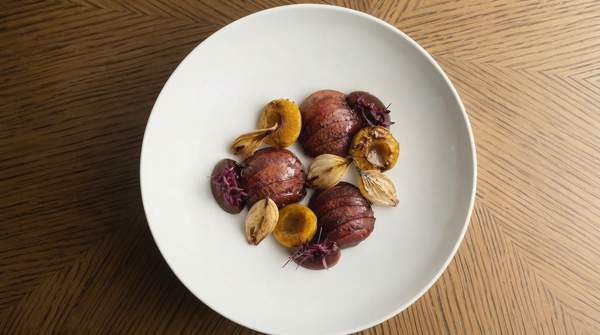
Golden Poppy at La Fantaisie in Paris features a pescatarian menu with France-meets-California alchemy, utilizing the region's best ingredients. The approach offers a fresh take on Parisian dining, moving beyond traditional French fare to incorporate diverse culinary techniques and flavors. Condé Nast Traveler highlighted it as one of the best new hotel restaurants.

Strengths: Unique pescatarian concept, fusion of distinct culinary traditions, prime urban location | Limitations: Specializes in seafood, may not suit all palates | Price: High-end

3. Le Pristine at Hotel Toranomon Hills

Best for: Guests desiring an East-meets-West prix-fixe menu focused on Japanese ingredients.

Le Pristine at Hotel Toranomon Hills in Tokyo offers a prix-fixe menu with an East-meets-West approach, making brilliant use of Japanese ingredients, especially seafood. The restaurant, also highlighted by Condé Nast Traveler as a top new hotel restaurant, exemplifies how international chefs adapt local produce to global culinary styles, creating a distinct dining identity.

Strengths: Innovative East-meets-West fusion, emphasis on local Japanese seafood, curated prix-fixe experience | Limitations: Set menu may offer less flexibility | Price: High-end

4. Terrace Restaurant at Izza

Best for: Food enthusiasts interested in modern Moroccan fare with international accents.

Terrace Restaurant at Izza offers modern Moroccan fare with international influences, such as a whole grilled stuffed sea bass with spiced couscous served in an aromatic langoustine bisque. Condé Nast Traveler recognized it as one of the best new hotel restaurants, showcasing its ability to elevate traditional dishes with global culinary techniques and presentation.

Strengths: Creative Moroccan fusion, distinct flavor profiles, elegant presentation | Limitations: Specific regional focus may not appeal to all | Price: High-end

The Benchmark of Excellence: What Defines a Top Culinary Resort

True luxury dining now demands innovative concepts, impeccable execution, and broad appeal across diverse judging bodies. The shift prioritizes authentic, hyper-local innovation over formal tradition, compelling established culinary institutions to adapt. Blackberry Farm's two Michelin Keys, alongside accolades from Condé Nast Traveler, Food & Wine, and Oprah Daily's 2026 Hotel O-Wards (one of 58 globally recognized destinations, per Knoxville News Sentinel), exemplify this new benchmark.

Resort/RestaurantLocation TypeCulinary ApproachKey RecognitionPrice Indication
Blackberry FarmRural (Tennessee, USA)Nouveau Southern, farm-to-tableTwo Michelin Keys, Oprah Daily O-Ward, Condé Nast Traveler, Food & WineOver $1,000/night (stay)
Golden Poppy at La FantaisieUrban (Paris, France)Pescatarian, France-meets-California fusionCondé Nast Traveler Best New Hotel RestaurantHigh-end (dining)
Le Pristine at Hotel Toranomon HillsUrban (Tokyo, Japan)East-meets-West prix-fixe, Japanese seafood focusCondé Nast Traveler Best New Hotel RestaurantHigh-end (dining)
Terrace Restaurant at IzzaUrban (Marrakech, Morocco)Modern Moroccan, international influencesCondé Nast Traveler Best New Hotel RestaurantHigh-end (dining)

How Top Culinary Experiences Are Identified

Esteemed publications and culinary guides rigorously evaluate top resorts, scrutinizing innovation, ingredient quality, service, and overall guest experience. Michelin, Oprah Daily, and Condé Nast Traveler apply specific criteria, assessing not only chef skill but also conceptual originality and the integration of local culture. The meticulous process ensures recognized resorts deliver genuinely unique and memorable dining adventures, reflecting a comprehensive approach to culinary excellence. Accolades confirm that luxury dining's true measure now embraces authentic, hyper-local innovation, compelling traditional institutions to evolve.

The Future of Fine Dining at Luxury Resorts

The future of luxury resort dining demands a dynamic blend of global inspiration, regional authenticity, and a commitment to pushing gastronomic boundaries. Establishments like La Fantaisie's Golden Poppy and Hotel Toranomon Hills' Le Pristine exemplify this, crafting unique culinary identities through 'France-meets-California alchemy' and 'East-meets-West' approaches. They prioritize conceptual boldness and ingredient storytelling over classic gastronomic rules, setting a new standard for experiential dining. The market will undoubtedly continue to reward resorts that champion a distinctive sense of place and innovative culinary narratives, as Blackberry Farm's sustained recognition attests.

Frequently Asked Questions About Luxury Resort Dining

What are the top resorts for foodies?

Beyond the establishments mentioned, resorts like The Brando in French Polynesia offer exceptional dining experiences, often featuring menus crafted by Michelin-starred chefs with a focus on sustainable, local ingredients. Many also host guest chef series or culinary festivals throughout the year, providing diverse gastronomic opportunities.

Which luxury hotels offer Michelin-star dining?

While Blackberry Farm holds Michelin Keys, a distinct recognition for hotels, numerous luxury hotels globally host restaurants with Michelin stars. For instance, The Mandarin Oriental in Bangkok features Le Normandie by Alain Roux, a two-Michelin-starred restaurant, offering classic French cuisine with a view of the Chao Phraya River.

What are the best culinary destinations for a vacation?

Beyond specific resorts, cities like San Sebastian, Spain, remain highly regarded for their dense concentration of Michelin-starred restaurants and vibrant pintxos culture. Regions such as Emilia-Romagna, Italy, are also celebrated as culinary epicenters, known for traditional balsamic vinegar, Parmigiano-Reggiano, and Prosciutto di Parma, offering immersive food tours.