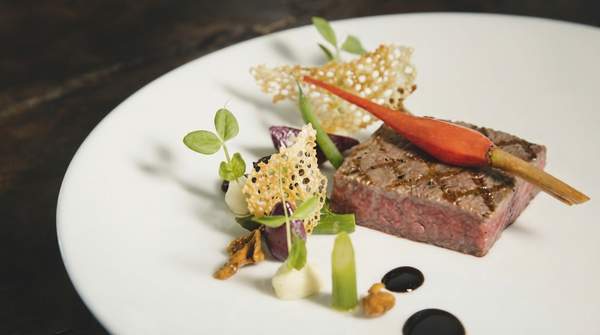
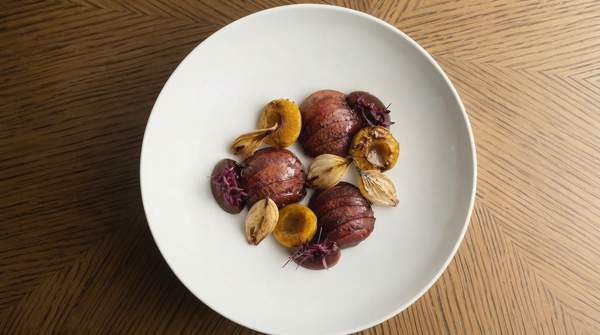
Maido in Lima, Peru, claimed the No. 1 spot on The World's 50 Best Restaurants list for 2025, a definitive shift in global culinary power. While European cities once dictated luxury cuisine, Latin American restaurants now consistently dominate top global lists, setting a new benchmark for innovative fine dining. Regional flavors, innovative techniques, and a diverse geographic spread challenge Western European traditions, signaling a future.
The Shifting Global Culinary Map
- Ten — new entries joined The World's 50 Best Restaurants list for 2025, according to The New York Times.
- No. 12 — Atomix in New York City, the sole U.S. representative, dropped six spots from last year to No. 12 on the 2025 list, as reported by Eater.
This influx of new establishments and the volatility of U.S. representation reveal a dynamic, competitive global culinary scene. A broader diversification in what defines top-tier luxury dining is signaled.
Top Contenders Redefining Luxury
1. Maido
Best for: Diners seeking a fusion of Peruvian and Japanese culinary traditions.
Maido in Lima, Peru, secured the No. 1 position on The World's 50 Best Restaurants list for 2025, according to Eater. It showcases Nikkei cuisine, blending delicate Japanese techniques with vibrant Peruvian ingredients. Its global recognition and innovative fusion cuisine position it as a vanguard, challenging traditional fine dining paradigms.
Strengths: Global recognition, innovative fusion cuisine, vibrant flavor profiles. | Limitations: Reservations are exceptionally difficult to obtain. | Price: High-end.
2. Asador Etxebarri
Best for: Enthusiasts of exceptional grilling and traditional Spanish flavors.
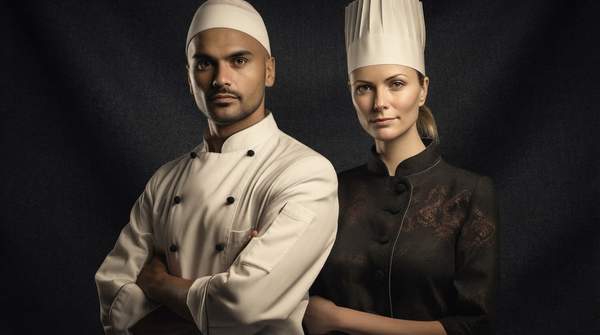
Asador Etxebarri in Spain ranked No. 2 on The World's 50 Best Restaurants list for 2025, as reported by Eater. Celebrated for its mastery of open-fire cooking, it elevates simple ingredients through precise grilling. Its dedication to elemental cooking suggests a return to foundational techniques, proving simplicity can achieve unparalleled luxury.
Strengths: Unrivaled grilling expertise, focus on ingredient quality, authentic Spanish heritage. | Limitations: Specific focus on grilled dishes may not appeal to all. | Price: High-end.
3. Quintonil
Best for: Explorers of modern Mexican gastronomy with a focus on fresh, local ingredients.
Quintonil in Mexico City ranked No. 3 on The World's 50 Best Restaurants list for 2025, according to Eater. Consistently among the top five globally, it redefines Mexican cuisine with innovative, ingredient-driven dishes. Its consistent top-tier ranking implies a sustained global appetite for refined, ingredient-driven Mexican gastronomy.
Strengths: Top-tier global ranking, innovative use of indigenous Mexican ingredients, sophisticated presentation. | Limitations: High demand for reservations. | Price: High-end.
4. DiverXO
Best for: Adventurous diners seeking avant-garde and theatrical culinary experiences.
DiverXO in Madrid ranked among the top five restaurants on The World's 50 Best Restaurants list for 2025, as stated by The New York Times. Known for its highly experimental, boundary-pushing Spanish cuisine, often described as 'haute cuisine with a punk rock attitude', its avant-garde approach suggests that the future of luxury dining embraces bold experimentation and theatricality.
Strengths: Highly creative, experimental dishes, immersive dining experience, bold flavors. | Limitations: Avant-garde nature may not suit traditional tastes. | Price: High-end.
5. Alchemist
Best for: Guests desiring a holistic and multi-sensory dining journey.
Alchemist in Copenhagen ranked among the top five restaurants on The World's 50 Best Restaurants list for 2025, according to The New York Times. It offers a unique 'holistic cuisine' approach, combining gastronomy with art, science, and social commentary across numerous acts. This holistic approach implies that dining is evolving into a multi-sensory journey, blurring lines between food, art, and social commentary.
Strengths: Immersive, thought-provoking experience, innovative use of space and presentation, strong conceptual narrative. | Limitations: Requires significant time commitment for the full experience. | Price: High-end.
6. Atomix
Best for: Connoisseurs of refined Korean tasting menus in an intimate setting.
Atomix in New York City ranked No. 12 on The World's 50 Best Restaurants 2025 list, as reported by Eater. The New York Times, however, states Atomix ranked No. 7 on the 2025 list. This Korean tasting menu restaurant, the sole U.S. representative in the 2025 top 50, previously ranked No. 1. Its volatile ranking, despite acclaimed Korean cuisine, suggests increasing pressure for sustained innovation in a rapidly shifting global landscape.
Strengths: Sustained high ranking, innovative Korean cuisine, intimate and focused dining experience. | Limitations: Its global standing appears volatile. | Price: High-end.
7. Yuzu Omakase
Best for: Diners interested in culinary science and traceable, high-quality ingredients.
Yuzu Omakase employs techniques to preserve omega-3 fatty acids in salmon sashimi and retain vitamins in fresh vegetables, according to Josh Kopel. This focus extends to suppliers using AI and blockchain for traceability. This scientific precision and advanced sourcing imply a future where culinary excellence is intrinsically linked to health, transparency, and technological advancement.
Strengths: Scientific precision in food preparation, advanced ingredient sourcing, emphasis on health benefits. | Limitations: Omakase format may not offer broad menu choices. | Price: Not specified.
8. Kasama
Best for: Those exploring two-Michelin-starred Filipino concepts.
Kasama features a two-Michelin-starred Filipino concept by chefs Tim Flores and Genie Kwon, according to Time Out Worldwide. This restaurant brings an elevated interpretation of Filipino cuisine to fine dining. Its two-Michelin-starred status elevates Filipino cuisine to a global stage, signaling a broader appreciation for diverse culinary narratives.
Strengths: Michelin recognition, unique cultural culinary focus, acclaimed chef team. | Limitations: Not specified. | Price: Not specified.
9. Oriole
Best for: Guests seeking a sophisticated two-Michelin-starred fine-dining experience.
Oriole offers a two-Michelin-starred fine-dining experience under chef-owner Noah Sandoval, Time Out Worldwide reports. It provides a refined tasting menu focused on seasonal ingredients and elegant presentations. Its consistent Michelin recognition confirms the enduring appeal of refined, seasonal dining, even amidst a trend towards more avant-garde experiences.
Strengths: Consistent Michelin recognition, refined and elegant dining, seasonal ingredient focus. | Limitations: Not specified. | Price: Not specified.
10. Cariño
Best for: Diners interested in emerging, Michelin-starred elevated Latin concepts.
Cariño, an elevated Latin concept, earned its first Michelin star in 2024, according to Time Out Worldwide. This recognition signifies its rapid ascent in luxury dining, showcasing modern interpretations of Latin flavors. Its rapid ascent to a Michelin star implies a burgeoning demand for sophisticated, modern interpretations of Latin flavors.
Strengths: Recent Michelin recognition, innovative approach to Latin cuisine, growing influence. | Limitations: Recently established, potentially less historical prestige. | Price: Not specified.
11. The Omakase Room
Best for: Aficionados of intimate nigiri experiences with high-quality seafood.
The Omakase Room provides an intimate dining experience, starring some of the Midwest's finest nigiri, Time Out Worldwide reports. This specialized restaurant focuses on delivering a personalized, curated sushi journey. Its specialized focus on nigiri suggests a growing appreciation for highly curated, intimate dining experiences centered on specific culinary arts.
Strengths: Highly specialized nigiri focus, intimate and personalized experience, premium ingredient selection. | Limitations: Narrow culinary focus, appealing primarily to sushi enthusiasts. | Price: Not specified.
Innovation Beyond the Plate
| Restaurant Name | Core Innovation | Technological Integration | Culinary Approach | Global Impact/Recognition |
|---|---|---|---|---|
| Yuzu Omakase | Nutrient preservation; ingredient traceability | AI, blockchain for sourcingrcing | Omakase, seafood, storytelling | Focus on specific scientific and tech innovation |
| Alchemist | Holistic dining; multi-sensory experience | Implied through experience design | Experimental, conceptual, 'holistic cuisine' | Ranked among global top five (2025) |
| Maido | Nikkei cuisine; cultural fusion | Not specified | Peruvian-Japanese fusion | No. 1 global ranking (2025), redefined culinary excellence |
Beyond taste, modern luxury dining is increasingly defined by scientific precision and technological integration for ingredient quality and health benefits. The inclusion of AI and blockchain by establishments like Yuzu Omakase for traceability marks a new frontier in culinary standards. This moves experiences towards not only delicious but also transparent and health-conscious.
New Stars on the Horizon
Cariño, an elevated Latin concept, earned its first Michelin star in 2024, according to Time Out Worldwide. This prestigious recognition confirms a broader acceptance of diverse culinary traditions, extending fine dining's evolution beyond established European strongholds and signaling sustained interest in unique regional flavors.
The Enduring Impact of Global Shifts
The consistent top-three placement of Latin American restaurants like Maido and Quintonil marks a definitive shift in global culinary power. Traditional European strongholds now compete for relevance, no longer dictating it. This lasting change in the global dining hierarchy is underscored by Atomix (NYC)'s significant drop to No. 12 on the 2025 list, as reported by Eater, suggesting even established culinary hubs struggle to match Latin America's innovative dynamism. Quintonil's sustained high ranking in Mexico City, among the top five by The New York Times, further solidifies this impact.
If Latin American innovation continues its ascent and technological integration becomes standard, luxury dining will likely redefine exclusivity through hyper-regional focus and immersive, health-conscious experiences.