LVMH reported a 1% increase in organic revenue for the first quarter of 2026, reaching €19.12 billion, according to Vogue. Despite this positive growth, shares in the French luxury goods group LVMH fell as much as 3% on Tuesday, according to Reuters. Shares in the French luxury goods group LVMH fell as much as 3% on Tuesday, despite positive revenue growth, highlighting the high expectations placed on luxury giants, making the luxury conglomerate stock performance in 2026 a topic of close observation.
LVMH's first-quarter organic revenue grew, but its stock price dropped significantly as sales missed market expectations. LVMH's first-quarter organic revenue grew, but its stock price dropped significantly as sales missed market expectations, revealing a market that punishes luxury conglomerates for merely meeting, rather than exceeding, already high growth projections. Investors are now demanding exceptional, not just positive, performance.
Companies in the luxury sector are likely to face continued investor scrutiny and volatility. Even modest growth is insufficient to satisfy high market expectations, particularly amid geopolitical headwinds and shifting consumer demand. This environment renders the entire sector vulnerable to even minor misses.
Why Investors Are Spooked
- LVMH made revenue of $22.42 billion for the first three months of the year, according to The Wall Street Journal.
- LVMH sales missed expectations, according to CNBC.
The market punished LVMH not for a decline in sales, but for failing to meet the elevated growth projections set by analysts. indicating that even significant revenue figures are insufficient if they do not surpass optimistic forecasts. Investor confidence in luxury is precariously tied to unrealistic segment-specific performance, affecting luxury conglomerate stock performance.
The severe negative reaction, including a 3% stock drop, indicates that investors are now punishing luxury conglomerates for merely meeting, rather than exceeding, already high expectations. a fundamental shift in valuation metrics that is impacting how the market assesses the sector's health.
Geopolitical Headwinds and Segment Shifts
LVMH reported a material hit to Middle Eastern luxury demand in its first quarter business update, linked to ongoing armed conflict in the region, according to Simply Wall Street. This geopolitical instability in key markets directly translates into reduced consumer spending on luxury goods, creating a significant drag on revenue for luxury conglomerate stock performance.
This regional vulnerability exposes the fragility of the luxury market's recovery. Overall revenue figures can mask critical regional and product vulnerabilities. Such conditions make the sector susceptible to external shocks, particularly in areas experiencing conflict.
The significant underperformance in LVMH's core Fashion & Leather Goods segment and a material hit to Middle Eastern demand expose the fragility of the luxury market's recovery. indicating that overall revenue figures are masking critical regional and product vulnerabilities within the luxury sector.
A Broader Luxury Market Slowdown
Luxury stocks fell to the bottom of the Stoxx 600 index, according to CNBC. indicating that LVMH's struggles are not isolated. Instead, they reflect a wider investor apprehension and potential slowdown across the entire luxury goods market.
This trend suggests that consumer spending shifts for luxury goods in 2026 are likely impacting multiple brands. Investors are reacting to perceived weaknesses rather than diversified strengths, affecting valuations across the sector. This collective downturn signals a cautious outlook for the industry.
LVMH's struggles are not isolated, but rather reflect a broader investor apprehension and potential slowdown across the entire luxury goods market. suggesting that the impact of economic conditions on luxury conglomerate stocks in 2026 is widespread, affecting multiple major players.
Signs of Stabilization Amidst Challenges
The decline in fashion and leather goods sales marks an improvement from the 3% decline in the previous quarter of 2025, according to Vogue. While the fashion and leather goods segment remains a concern, this reduced rate of decline suggests a potential, albeit slow, path towards stabilization.
Even this improvement was insufficient to prevent a stock drop, highlighting that market expectations for luxury are so elevated that even positive directional changes are overlooked if absolute performance is not stellar. impacting the assessment of whether luxury stocks are performing in 2026, as investors seek exceptional returns.
The improvement in the Fashion & Leather Goods segment's decline, from 3% to 2%, was insufficient to prevent a stock drop. This highlights that the market's expectations for luxury are so elevated that even positive directional changes are overlooked if the absolute performance is not stellar.
Understanding Segment Performance
How are luxury stocks performing in 2026?
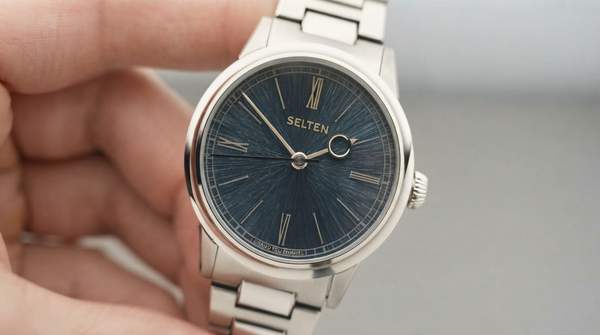
LVMH's core Fashion & Leather Goods segment underperformed, while Watches & Jewelry and other regions like parts of Asia and the US showed more resilience, according to Simply Wall Street. indicating that investor focus is shifting towards segment-specific strengths and weaknesses rather than overall conglomerate figures.
What are the latest consumer spending trends for luxury goods in 2026?
Consumer spending trends for luxury goods in 2026 indicate variability across product categories and geographical markets. The fashion and leather goods business segment of LVMH saw a 2% drop in sales, reaching €9.25 billion in the first quarter, according to Vogue. suggesting a significant challenge within a historically strong division, requiring strategic adjustments.
Are luxury brands seeing increased or decreased sales in 2026?
Luxury brands are experiencing varied sales performance in 2026, with some segments showing resilience while others face declines. The resilience in segments like Watches & Jewelry and certain regions like parts of Asia and the US was insufficient to offset negative sentiment from underperforming core segments, according to Simply Wall Street. implying uneven sales trends and a discerning consumer base. For more, see our Top Unexpected Watch Trends From.