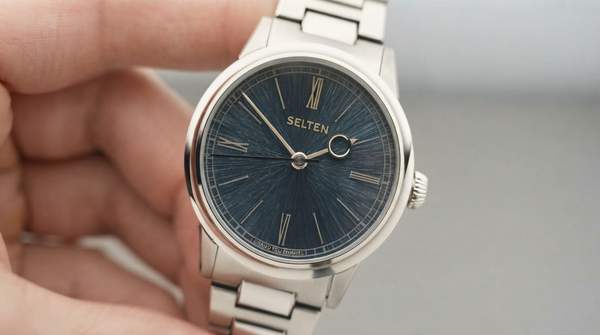
A 1981 Rolex Submariner, 40 mm, 18 Karat Yellow Gold, commands $30,440 at REEDS Jewelers' new landmark luxury showroom in Cary, North Carolina. The $30,440 price for a 1981 Rolex Submariner affirms the robust market for certified pre-owned timepieces and positions REEDS as a key player in this high-value segment.
While new luxury showrooms emerge to meet high-end demand, a substantial portion of their premium inventory consists of certified pre-owned pieces, not just new releases. The shift towards certified pre-owned pieces upends traditional retail models and fundamentally alters consumer expectations for luxury watch purchases.
Luxury watch retailers increasingly leverage the certified pre-owned market, meeting consumer demand while upholding brand value. The strategic integration of the certified pre-owned market signals a permanent evolution in how high-end watches are sold and perceived, broadening market appeal and deepening customer engagement.
The Strategic Embrace of Certified Pre-Owned Rolexes
- The Rolex Certified Pre-Owned Submariner is priced at $30,440.00, according to Reeds.
- A 2026 Rolex Certified Pre-Owned Cellini is priced at $9,900.00, according to reeds.com.
- A 2026 Rolex Certified Pre-Owned Cellini is priced at $13,090.00, according to reeds.com.
- A 2026 Rolex Certified Pre-Owned Datejust 36 is priced at $13,850.00, according to reeds.com.
REEDS Jewelers' prominent display and pricing of these certified pre-owned Rolexes confirm a deliberate strategy: integrating the secondary market into its core luxury retail. REEDS Jewelers' approach provides authenticated pieces at premium values, asserting that provenance and rarity now rival novelty in the luxury watch market, as noted by WatchPro.
Valuing Vintage and Contemporary Pre-Owned Rolexes
A 2026 Rolex Submariner, 40 mm, 18 Karat Yellow Gold, commands $30,440, according to reeds.com. The $30,440 price for a 2026 Rolex Submariner notably surpasses a much newer 2026 Rolex Datejust 36, 36 mm, Rolesor 18 Carat Yellow, listed at $20,995 on reeds.com. The disparity in pricing confirms that certified age and rarity can eclipse novelty in luxury watch valuation.
Additional examples, like a 2026 Rolex Submariner (40 mm, Steel) at $15,150 and a 2026 Rolex GMT-Master II (40 mm, Rolesor 18 Carat Yellow) at $15,630, both from reeds.com, further illustrate Rolex's consistent market strength. The prices of the 2026 Rolex Submariner ($15,150) and GMT-Master II ($15,630) demonstrate that certified market value endures across production years.
Shifting Perceptions in Luxury Watch Retail
REEDS Jewelers' strategic pricing of a 2026 Rolex Submariner at $30,440 indicates a profound shift. Luxury jewelers now curate and validate vintage pieces as premium investments, redefining luxury from mere novelty to timeless value.
The prominence of numerous high-value Certified Pre-Owned Rolexes within REEDS Jewelers' new 'Landmark luxury watch and jewellery showroom' confirms the secondary market's elevation. Once an alternative, the CPO segment now acts as a primary driver of high-end retail strategy, bolstering prestige and customer engagement.
The CPO Rolex price range, from a 2026 Cellini at $9,900 to a 2026 Submariner at $30,440, serves a diverse clientele—from those seeking authenticated entry points to collectors pursuing high-value vintage models. By prominently featuring these CPO pieces, REEDS Jewelers validates the investment potential of vintage luxury watches, effectively blurring the distinction between new retail and the secondary market.
If luxury retailers like REEDS Jewelers continue to champion certified pre-owned Rolexes as premium investments, the distinction between new and vintage luxury timepieces will likely diminish, cementing the secondary market's status as a primary driver of value.