While LVMH's overall reported revenue dipped 6% to €19.12 billion in Q1 2026, its watches and jewelry division sparkled with a 7% organic growth, defying broader market slowdowns, according to Forbes. The stark contrast between LVMH's overall 6% revenue dip and its watches and jewelry division's 7% organic growth reveals a critical dependency for the luxury conglomerate. LVMH's core business achieved only 1% organic growth for the quarter, primarily fueled by this robust watches and jewelry segment. Significant negative currency fluctuations heavily impacted headline figures, obscuring positive underlying sales momentum. LVMH will likely double down on its hard luxury categories, leveraging brands like Tiffany & Co. and Bulgari to navigate a volatile global economy. LVMH's Q1 results show how the high-performing jewelry and watch segment now singularly props up the conglomerate's organic growth, counteracting a sustained decline in its flagship fashion and leather goods division.
Jewelry Shines Brightest Amidst Headwinds
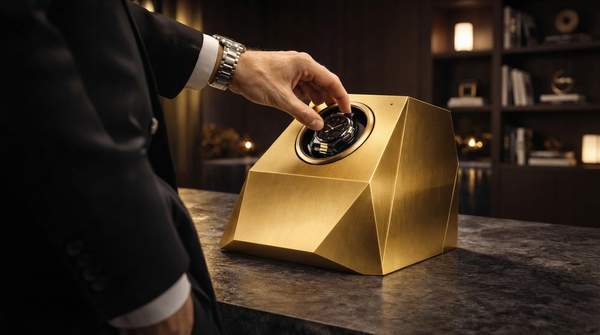
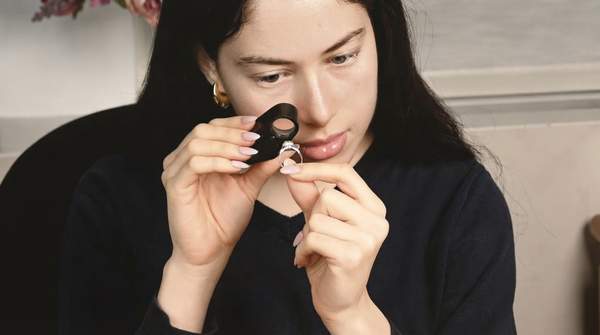
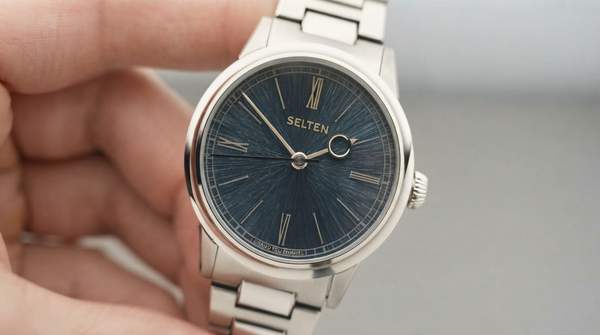
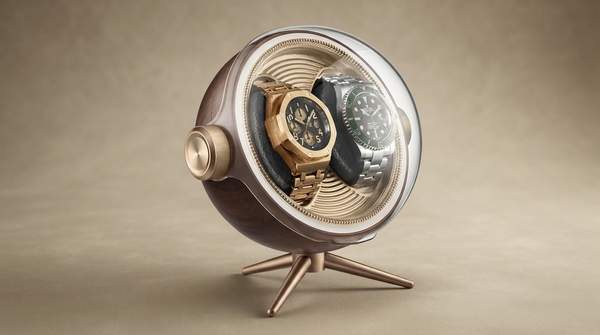
LVMH's watches and jewelry business unit recorded 7% organic growth in Q1, according to Forbes. Yet, the segment's reported revenue fell 2 percent year-over-year to €2.44 billion ($2.87 billion), as stated by Nationaljeweler. The divergence between 7% organic growth and a 2 percent reported revenue fall highlights the profound impact of currency fluctuations, which masked strong underlying consumer demand for high-end timepieces and gems. The division's consistent outperformance positions it as LVMH's most reliable growth engine, crucial for offsetting volatility elsewhere in the portfolio.
Fashion & Leather Goods: A Persistent Challenge
The fashion and leather goods business unit declined by 9% (2% organic) to €9.25 billion ($10.9 billion) in Q1, according to Forbes and Vogue. While still a decline, this 2% organic contraction marks an improvement from the 3% decline observed in Q4 2025, per Vogue. The marginal deceleration from a 3% decline in Q4 2025 to a 2% organic contraction suggests the division grapples with persistent challenges, but perhaps a slowing rate of contraction. However, LVMH's largest segment continues to struggle, indicating a fundamental shift in consumer spending away from its core fashion offerings. The ongoing weakness in LVMH's largest segment will force the company to re-evaluate its brand strategies and market positioning within this critical division.