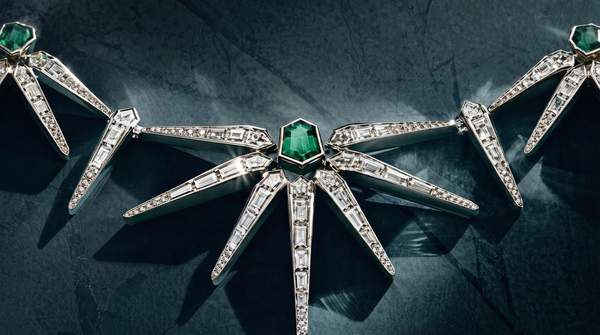
Commissioning a piece of high jewelry is a structured, collaborative journey that typically unfolds across five stages: an initial consultation to define your vision, an iterative design development phase, the sourcing and approval of exceptional gemstones and materials, handcrafting by master artisans, and a final presentation of the finished piece. Unlike standard custom work, a high jewelry commission is defined by the caliber of the artisans, the rarity of the materials, and the depth of the client's involvement at every step. Knowing the decisions you will be asked to make at each stage is what turns an intimidating process into a confident one.
Understanding High Jewelry: Beyond Custom
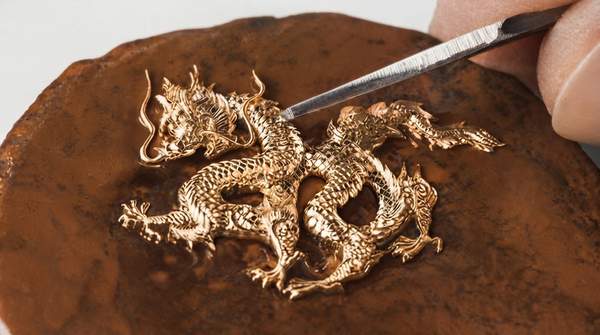
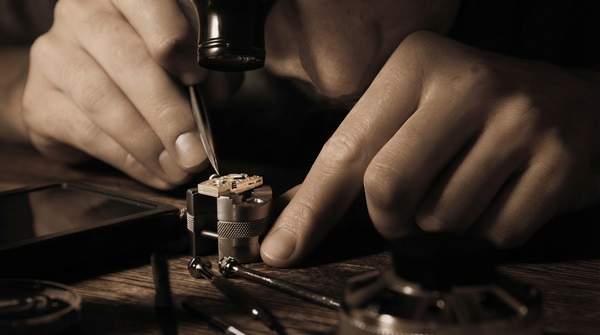
The distinction between high jewelry and ordinary custom jewelry lies in three elements. The first is who makes the piece: at the high end, master artisans handcraft the jewel using time-honored techniques. Garrard, the London house holding a UK Royal Warrant, describes how its master artisans in its Mayfair atelier "transform noble materials into the most exquisite one-of-a-kind creations using time-honoured techniques, unchanged for centuries, complemented by the latest design technology."
The second is the materials themselves. High jewelry is built around exceptional, often certified gemstones and precious metals, sourced for their rarity and quality rather than simply their size. The third is the process: a detailed, iterative collaboration in which the design evolves through multiple rounds of client feedback before any metal is worked. As Anthony Paul Jewellery explains, bespoke jewelry is designed specifically for one client, so every detail is shaped around individual style and preferences, producing a piece that "cannot be replicated."
Stage 1: Initial Consultation – Defining Your Vision
The commission begins with a conversation. You do not need to arrive with a finished design; what the house needs is your inspiration, your intended purpose for the piece, and how you wear jewelry. Glen & Effie, a fine jewelry atelier, notes that the consultation covers "your design ideas, preferences, and how you wear your jewelry to better sketch designs that suit your preference as well as function." Garrard frames the same meeting as an exploration of "colour, proportion, setting and style," with designers channeling your loves and passions into a wearable piece.
Two practical matters should be raised at this first meeting: budget and deadline. McCaul, a bespoke jeweler, asks clients to share a budget so it can design within it and recommend gemstones accordingly. If the piece must arrive by a proposal, anniversary, or event, communicate that date upfront so the house can assess feasibility.