For a collector weighing a high-end independent purchase, the choice between F.P. Journe, De Bethune, and Kari Voutilainen is not really a choice between quality levels. All three sit at the top of contemporary independent horology. The real decision is philosophical: Journe offers classical watchmaking reinterpreted through original in-house engineering, De Bethune pursues a futuristic, technically experimental vision, and Voutilainen represents traditional artisanal mastery carried out on an exceptionally small scale. Understanding which of those three value propositions matches your collecting goals is the purpose of this comparison.
The Allure of Independent Watchmaking
Independent makers have moved from the margins of the market to its most closely watched segment. Industry analysis published by Barrington Watch Winders in 2025 reports that F.P. Journe, Kari Voutilainen, and their peers are enjoying unprecedented interest, driven by limited production volumes, exceptional artisanal finishing, and the individuality of each timepiece. The same analysis notes that secondary-market prices for some independents have begun outperforming the year-over-year growth rates of established marques, including Rolex.
A perspective piece published by Watch Collecting Lifestyle in early 2026 argues the case more pointedly: while established brands keep pricing elevated and allocations scarce, independents offer compelling value that serious collectors systematically overlook, partly because of outdated assumptions that production scale equates to legitimacy and that resale liquidity justifies premium pricing. The creative freedom of independents — watches "uncompromised by market research, production scale requirements, or shareholder expectations," as that piece puts it — is precisely what distinguishes them. The three makers examined here express that freedom in three very different ways.
F.P. Journe: The Modern Traditionalist
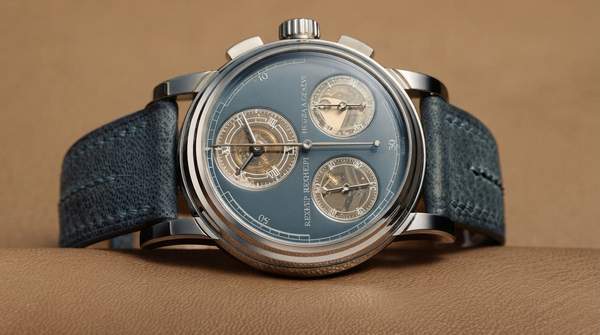
Few independent brands have had as much influence as F.P. Journe, founded by François-Paul Journe in 1999. The brand built its reputation quickly on technical sophistication and exceptional finishing, but its identity is captured by its motto: Invenit et Fecit, Latin for "Invented and Made." The phrase reflects a commitment to designing and producing original watch movements rather than decorating or modifying existing designs — a comprehensive in-house approach that guides the brand's horology.
The most tangible expression of that ethos is material rather than rhetorical: many Journe watches use movements crafted from solid gold, a rare choice in modern watchmaking and one that reflects the brand's dedication to craftsmanship. For the collector, Journe represents a bridge — classical in its finishing standards and movement architecture, modern in its willingness to invent. It is the profile of a maker who treats tradition as a foundation for original engineering, not a constraint against it.
De Bethune: The Futuristic Innovator
De Bethune occupies the opposite pole of the independent spectrum. Profiles of the brand consistently characterize it by a combination of technical innovation and futuristic design, which together make it one of the most distinctive independents in operation. That philosophy drives both its recognizable aesthetic and its mechanical development — the two are treated as inseparable outcomes of a single innovative approach.
Its signature technical contribution lies in proprietary balance-wheel technology, recognized as a key aspect of its advanced chronometry. The brand has also pushed the idea of bespoke precision further than most: as Hodinkee's year-end review of independent watchmaking reported, De Bethune marked its twentieth anniversary in 2022 by introducing the Sensoriel Chronometry Project, an approach that offers owners of the DB28GS Grand Bleu tailored chronometric adjustments matched to their personal lifestyle. Where Journe invents within a classical idiom, De Bethune treats the watch itself — its regulator, its design language, even its relationship to the owner — as open to reinvention.
Kari Voutilainen: The Master of Artisanal Craftsmanship
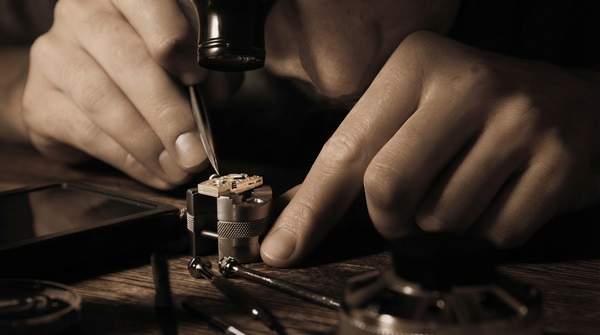
Finnish watchmaker Kari Voutilainen is widely regarded as one of the greatest living craftsmen in horology, an ethos that prioritizes meticulous handwork and classical horological artistry. His watches are produced in extremely small numbers and are celebrated for their exceptional finishing — the two qualities most central to the brand's appeal.
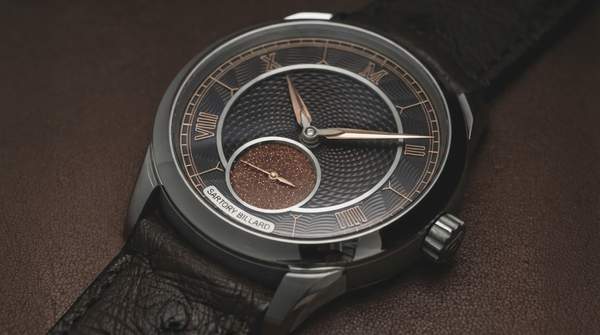
The signature craft technique is hand-guilloché: many Voutilainen dials carry traditional patterns created using antique rose-engine machines, and each watch undergoes extensive hand finishing that can require dozens of hours of meticulous work. Collectors prize the watches for their combination of technical precision and artistic craftsmanship. Voutilainen also reached a twenty-year milestone in 2022, as Hodinkee reported, celebrating with a unique-piece Vingt-8 — a fitting gesture for a maker whose value lies in singular, hand-executed objects rather than a signature complication.
Comparing Independent Horological Masters
The table below juxtaposes the three makers across the dimensions that matter most in an acquisition decision: founding ethos, signature innovation, and defining craftsmanship. Read it as a decision aid — each row describes a different kind of horological value, not a ranking.
| Watchmaker | Founding Philosophy / Ethos | Signature Innovation / Feature | Defining Craftsmanship |
|---|---|---|---|
| F.P. Journe | "Invenit et Fecit" ("Invented and Made") — commitment to designing and producing original movements in-house; founded 1999 by François-Paul Journe | Original in-house movement design; many watches with movements crafted from solid gold | Exceptional finishing to high traditional standards — a core component of its value proposition |
| De Bethune | Blend of technical innovation and futuristic design, driving both its aesthetic and its mechanics | Proprietary balance-wheel technology supporting advanced chronometry; Sensoriel Chronometry Project (2022) offering lifestyle-tailored chronometric adjustment | A distinctive, instantly recognizable futuristic aesthetic — the direct outcome of its innovative approach |
| Kari Voutilainen | Regarded as one of the greatest living craftsmen; ethos prioritizes meticulous handcraft and classical horological artistry | Emphasis on hand-executed artistry rather than a single signature complication | Extremely small production; traditional hand-guilloché dials on antique rose-engine machines; dozens of hours of hand finishing per watch |
The comparison clarifies three distinct buyer profiles. Journe suits the collector who wants classical watchmaking with genuinely original engineering beneath the dial. De Bethune suits the collector drawn to technical experimentation and a design language unlike anything else in the field. Voutilainen suits the collector for whom rarity and hand-executed detail are the point of the purchase.
Navigating the Trade-offs of Independent Watch Ownership
The same creative freedom that makes independents compelling carries practical consequences. Watch Collecting Lifestyle's 2026 perspective identifies two sides of the trade-off. On the opportunity side, independents can present acquisition value because their pricing has not fully absorbed the appreciation their craftsmanship deserves — a valuation disconnect the piece attributes to collector prejudice in favor of scale and brand recognition. Narrower secondary markets, in other words, can work in the buyer's favor at acquisition.
The other side is ownership friction. The same piece notes that proprietary in-house calibres are sometimes unique and difficult to service — a real consideration for watches intended to be worn and maintained over decades. A collector choosing between these three makers should therefore weigh not only which philosophy resonates, but what each brand's service network and production scale mean for long-term care. Creative freedom, liquidity, and serviceability pull in different directions, and the honest position is that no independent maximizes all three at once.
Making Your Informed Acquisition Decision
Collectors should align their acquisition decisions with the specific horological values each maker offers — Journe's invented-and-made classicism, De Bethune's futuristic technical ambition, Voutilainen's artisanal mastery — while weighing the practical trade-offs of secondary-market liquidity and serviceability. This article is a comparison of philosophies and craft, not investment advice, and it deliberately covers three makers rather than the full independent field.
The measurable indicator of a sound decision is a collector's confidence in articulating the distinct value proposition of their chosen independent watchmaker and understanding the practical implications of ownership. Before committing, test yourself: can you state, in one sentence, why your chosen maker's ethos, innovation, and finishing justify the acquisition — and can you name where you would have the watch serviced? If both answers are clear, the philosophy you have selected is genuinely your own.