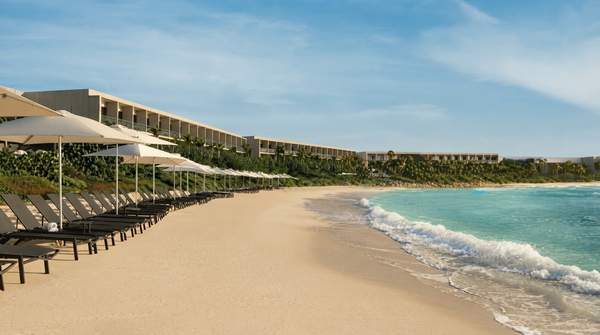
Guests at a high-end Bali retreat now spend mornings restoring coral reefs with marine biologists, a stark departure from poolside lounging. This direct engagement connects affluent travelers tangibly to the destination's ecological health.
Opulent, exclusive travel demand soars, yet travelers simultaneously seek minimal environmental footprints and maximum local impact. This creates a tension between luxury's inherent consumption and the desire for conscious travel.
The ultra-luxury travel market in Asia Pacific will bifurcate: truly sustainable, high-premium offerings will thrive, while superficial greenwashing will fail to attract discerning clientele. This evolving landscape defines the best ultra-luxury sustainable resorts in Asia Pacific for 2026.
The Asia Pacific region saw a 15% increase in bookings for eco-certified luxury resorts in 2023, according to the Luxury Travel Insights Report. A 15% surge in bookings reflects a profound shift in affluent traveler priorities, moving beyond mere indulgence towards purpose and positive impact. A separate survey revealed 70% of high-net-worth individuals would pay a premium for demonstrably sustainable experiences, per the Affluent Traveler Survey 2023. The willingness of 70% of high-net-worth individuals to pay a premium confirms environmental responsibility as a new luxury amenity. The 'regenerative travel' concept, where guests actively improve a destination, also gains traction among ultra-luxury travelers, as noted in the Future of Travel Report. Such travelers seek experiences that leave a place better than they found it, embodying mindful luxury.
Solar-Powered Desalination in the Maldives
A Maldivian resort now powers its sophisticated desalination plant entirely with solar energy, providing fresh water for all operations, according to Eco-Luxury Innovations. This innovation drastically cuts reliance on external resources and shrinks the resort's carbon footprint, setting a new standard for self-sufficient luxury in remote island destinations.