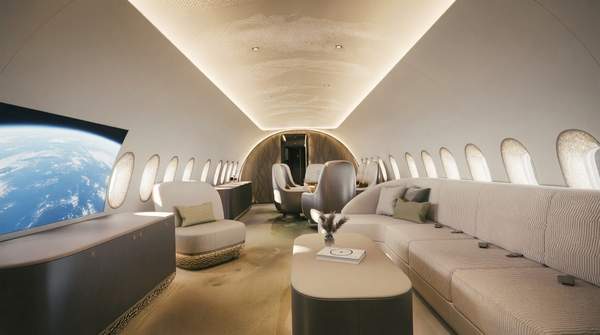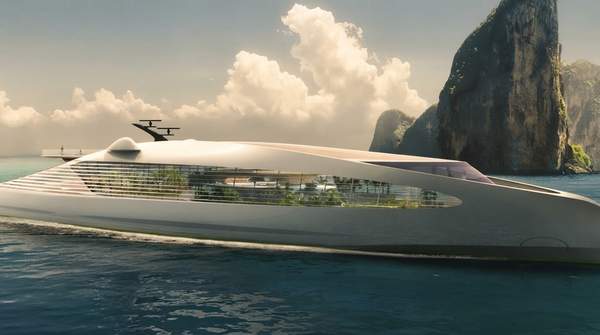
Sustainable luxury yacht construction currently rests on one measurable lever above all: weight. The most concrete advance in the field comes from Sunreef Yachts, which has developed a PET foam made from recycled plastic in-house and is implementing it with a vision to replace up to 60 percent of a sustainable yacht's interior structure. Because the material is significantly lighter than what it replaces, it reduces fuel consumption and, in the shipyard's own account, enhances the vessel's overall performance and environmental footprint. Around that core, builders are also turning to responsibly sourced wood, natural fibers, and fabrics vetted through life cycle assessment.
Pillar 1: Innovative Sustainable Materials
Material selection is where a yacht's environmental footprint is decided long before it ever touches water. Charter specialists at Boatbookings, writing on sustainable boat design, describe responsible and ethical sourcing as the key principle: choosing materials with less impact and more earth-friendly profiles. The most specific example they cite is Lagoon, which now sources wood and teak from FSC-certified forests, ensuring the timber comes from responsibly managed forestry rather than untraceable supply chains.
A second strand replaces synthetic and toxic materials with natural ones. Silent Yachts outfits its catamarans with flax fibers, bamboo, and cork, according to the same reporting. These natural fibers serve as alternatives to conventional synthetic reinforcements and fittings, reducing the reliance on petrochemical-based inputs in the outfitting stage of construction.
The third and most developed example is recycled PET foam. Sunreef Yachts describes its application as pioneering and developed entirely in-house. Beyond its recycled origin, the material carries two practical advantages that matter to owners who expect uncompromised luxury. First, it eliminates the need for non-recyclable adhesives, making it a fully recyclable alternative. Second, it integrates seamlessly with all traditional yacht finishes, including wood, paint, and laminate, so sustainability does not come at the cost of aesthetics.
Sunreef extends the same scrutiny to soft goods. Its Eco-catamaran range offers fabrics chosen for their greener properties, with Life Cycle Assessment analysis carried out to identify and minimize environmental impact across the material's full life, from production to disposal.