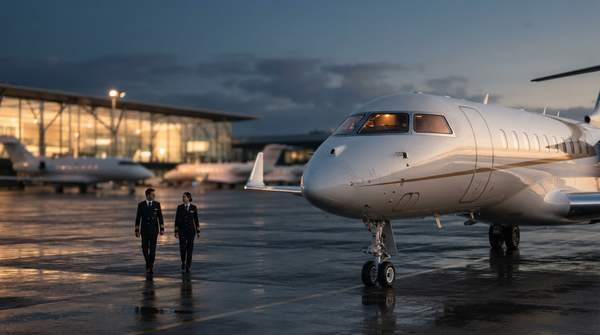
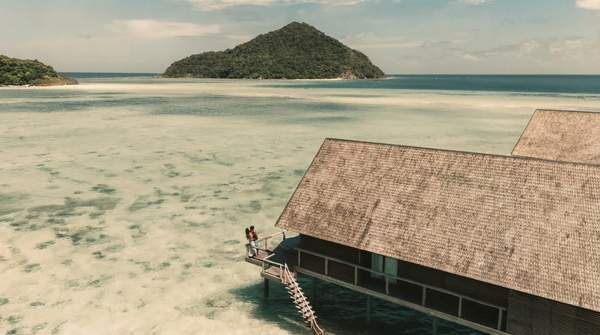
An 89% surge in requests for VIP transportation, luxury yachts, and private residences, reported by Virtuoso advisors to Forbes, heralds a new era for high-end travel. Discerning clients now prioritize absolute control and privacy, redefining luxury beyond traditional opulence for global explorers.
Global luxury explorers still seek unique, often far-flung experiences. However, a significant and growing portion of this demand is now being met within the diverse and increasingly exclusive offerings of the United States. This tension emerges between the allure of distant lands and the compelling draw of bespoke domestic options.
Therefore, the United States is poised to dominate global luxury tourism, driven by a demand for highly personalized and exclusive experiences that reshape high-end travel. Projections from Travel And Tour World confirm the US will be among the strongest luxury tourism markets by 2026, signaling a significant redirection of global luxury travel patterns towards its diverse, exclusive offerings.
America's New Luxury Frontiers: From Private Islands to Mountain Retreats
By 2026, Hawaii, New York, California, Florida, Nevada, Arizona, and Colorado will draw high-spending visitors globally, as reported by Travel And Tour World. This diverse array of state-specific offerings showcases the US's unparalleled capacity to cater to every high-net-worth preference, from serene escapes to vibrant urban experiences.
1. Remote/Private Destinations
Best for: Ultra-high-net-worth individuals seeking ultimate privacy and seclusion.
In the US, Hawaii's private islands and the vast Western states' secluded ranches and exclusive lodges epitomize ultimate privacy. These destinations, often reached via private airports or helipads, cater to those seeking absolute control over their environment—a trend underscored by the 89% surge in exclusive-use requests reported by Virtuoso advisors.
Strengths: Unparalleled privacy; bespoke service; direct access via private transport. | Limitations: High cost; limited availability; requires extensive planning. | Price: Premium, often requiring multi-day buyouts.
2. Wellness Retreat Destinations
Best for: Travelers focused on physical and mental rejuvenation and bespoke health programs.
Arizona's wellness retreats offer tailored medical wellness and mindfulness programs, while California excels in lifestyle and wellness tourism, from desert spas to coastal health centers. Elite Traveler reports that 84% of elite travelers anticipate tailored wellness services, with nearly 70% booking treatments spontaneously. This reveals a profound desire for immediate, personalized rejuvenation.
Strengths: Highly personalized programs; expert-led therapies; focus on holistic well-being. | Limitations: Can be intense; may require dietary or activity restrictions. | Price: High, varies by program intensity and length.
3. Dark Sky Destinations
Best for: Nature enthusiasts seeking digital disconnection and unique celestial experiences.
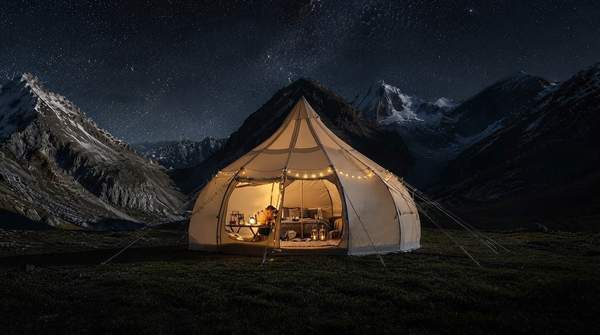
Across the US, particularly in Arizona and Colorado, certified Dark Sky Places captivate over 60% of travelers who prioritize limited light pollution, per the Los Angeles Times. These destinations offer a profound digital detox, allowing for unhindered stargazing and a deep reconnection with nature, a stark contrast to urban life.
Strengths: Unique natural phenomenon; fosters digital detox; growing number of certified locations. | Limitations: Remote access; weather dependent; limited luxury amenities in some areas. | Price: Moderate to high, depending on accommodation exclusivity.
4. Patagonia
Best for: Billionaires seeking unique, bucket-list adventures in extreme natural environments.
Though outside the US, Patagonia exemplifies the global quest for unique, remote, and exclusive experiences among the ultra-wealthy, as noted by Forbes. Its untouched frontiers serve as a benchmark for the experiential exclusivity US luxury providers now strive to surpass within their own diverse landscapes.
Strengths: Pristine wilderness; unparalleled adventure; ultimate bragging rights. | Limitations: Logistically complex; extreme weather; significant travel time. | Price: Extremely high, often involving private charters and bespoke expeditions.
5. Namibia
Best for: Global explorers seeking new, culturally rich experiences that replace traditional luxury itineraries.
Namibia, cited by Travel And Tour World as replacing traditional bucket-list vacations by 2026, highlights a global shift: explorers now favor novel, less-trodden paths. The US luxury market mirrors this by cultivating diverse, exclusive domestic experiences, capturing demand for fresh, high-control travel within its own borders.
Strengths: Unique cultural immersion; stunning desert landscapes; wildlife viewing. | Limitations: Long travel distances; infrastructure can be less developed; requires careful planning. | Price: High, particularly for tailored safari and cultural tours.
How US Luxury Stacks Up Globally
The US's strategic focus on bespoke and exclusive experiences positions it strongly against established global luxury destinations. This approach enables the United States to compete effectively, offering an unparalleled blend of privacy and diverse, high-control experiences. For more, see our Top Luxury Travel Experiences Destinations.
| Feature | US Luxury Offerings | Traditional Global Luxury Destinations |
|---|---|---|
| Privacy & Exclusivity Focus | Hyper-personalized, exclusive-use experiences (private islands, ranches, VIP services). Driven by 89% surge in requests for private options. | Often rely on established luxury brands and resorts; can be more accessible to a broader affluent public. |
| Experience Diversity | Wide array within single borders: urban, coastal, mountain, desert, wellness, entertainment. | Typically specialized by region (e.g. European cultural tours, Maldivian beach resorts). |
| Accessibility for US Travelers | Domestic travel, fewer logistical hurdles; no currency exchange or extensive visa requirements for US citizens. | Requires international travel; potential for complex visas, currency conversions, and longer travel times. |
| Customization Level | High degree of bespoke itinerary creation and control over environment. | Customization available, but often within established frameworks of hotels and tour operators. |
Understanding the Data Behind the Trend
Insights into the burgeoning luxury travel market stem from industry reports and advisor observations. The 89% surge in exclusive-use requests, reported by Virtuoso advisors, provides a concrete metric. This, coupled with projections for the US to lead the luxury market by 2026, confirms that private, bespoke travel is not merely a trend but an accelerating reality reshaping the industry. Deloitte's analysis and Travel And Tour World's forecasts further illuminate these evolving demands, offering a robust foundation for understanding the modern luxury traveler.
The Future of High-End Exploration
The continued growth of exclusive-use experiences within the US, evidenced by Forbes' 89% surge in requests, signals a fundamental shift: luxury now demands absolute control and privacy. The United States, with its unparalleled breadth of specialized, private offerings—from Hawaii's islands to Colorado's mountains—is uniquely positioned to capture this modern luxury traveler. By 2026, the US luxury travel industry will likely see continued investment in bespoke services and private infrastructure, ensuring companies like XO Jets remain central to this high-control experience. Those failing to offer highly customizable, private-access options risk being left behind as the US solidifies its position as the go-to for discerning global explorers.