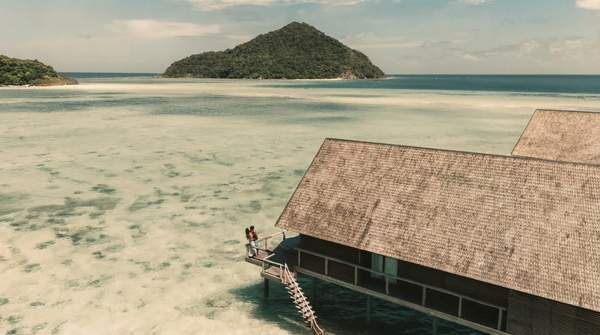
In the Maldives, the Bvlgari Resort Ranfushi, a new 20-hectare property, will feature 54 villas, including one on its own private islet, signaling a new era of ultra-exclusive, hyper-personalized luxury among upcoming new luxury hotel openings and renovations in 2026. This expansive development in the Raa Atoll promises a retreat where privacy is paramount, extending to a singular Bvlgari Villa on its own island.
Luxury hospitality is expanding globally with grand new properties, but the true innovation lies in smaller, highly specialized retreats offering extreme wellness and bespoke experiences. This creates a tension between traditional scale and the demand for individualized, unique engagements.
The industry is shifting from broad appeal to niche, experience-driven offerings, meaning future luxury will be defined by its ability to deliver unique, transformative personal journeys rather than just opulent stays. This redefinition affects how new luxury hotel openings and renovations are conceived and executed.
Further emphasizing this push for exclusivity, the second phase of the resort, named Nowhere, is set to open in April 2026 with two palatial residences and a dedicated spa, according to cntraveler. The first phase, Somewhere, from Seaside Collection, already offers seven residences. Multi-phase projects define a future where luxury is characterized by unparalleled exclusivity, expansive private spaces, and ultimate discretion, moving beyond standard hotel amenities.
The New Frontiers of Wellness and Nature Immersion
1. Bvlgari Resort Ranfushi
Best for: Ultra-discerning travelers seeking absolute privacy and expansive, bespoke domains in the Maldives.
Scheduled to open in 2026 or 2027, this 20-hectare property will feature 54 keys, including 33 beach villas, 20 overwater villas, and an exclusive Bvlgari Villa situated on its own private island, according to BBC. Guests can anticipate at least four distinct culinary experiences, including Italian, Chinese, and Japanese cuisine, alongside plans for a farm and a coral restoration program.
Strengths: Unparalleled privacy with a dedicated private islet villa; extensive culinary options; commitment to environmental programs. | Limitations: High exclusivity implies a premium price point; exact opening year is still a range. | Price: Not specified.
2. Six Senses London
Best for: Urban dwellers prioritizing advanced, clinical wellness and health optimization within a sophisticated city setting.
Opening in March, this 109-room hotel is located within The Whiteley, a Grade II-listed former department store in Bayswater. Its spa spans 2,320 sq m and will include a flotation pod, a cryotherapy chamber, a longevity-focused medical clinic, fitness studios, and London's first in-hotel magnesium pool. The hotel's extensive offering positions it as a destination for health optimization.
Strengths: Comprehensive, cutting-edge wellness facilities; prime urban location; historical building integration. | Limitations: Urban setting may not appeal to those seeking nature immersion; specific opening year implied as 2026. | Price: Not specified.
3. Nowhere (Seaside Collection)
Best for: Guests desiring palatial residential experiences and dedicated spa services as part of a multi-phase luxury development.
This second phase of a resort offering is set to open in April 2026, featuring two palatial residences and a dedicated spa, as reported by cntraveler. Nowhere exemplifies the trend towards expansive private domains within luxury hospitality, offering significant space and bespoke services.
Strengths: Exclusive, large-scale residences; specific opening date; dedicated wellness facilities. | Limitations: Limited number of residences; part of a larger, multi-phase project. | Price: Not specified.
4. Somewhere (Seaside Collection)
Best for: Travelers seeking intimate residential luxury with personalized services, as part of a new resort concept.
As the first phase of a new offering from Seaside Collection, Somewhere features seven residences, according to cntraveler. Somewhere, featuring seven residences, lays the groundwork for a luxury experience focused on privacy and a home-away-from-home feel, preceding the larger Nowhere phase.
Strengths: Intimate number of residences; focus on personalized service; part of an innovative new luxury concept. | Limitations: Fewer amenities than full-scale resorts; exact opening year for this phase not explicitly stated. | Price: Not specified.
5. JW Marriott Ranthambore Resort & Spa
Best for: Travelers seeking a blend of global brand reliability and proximity to significant natural attractions.
Marriott International’s 10,000th hotel worldwide is located just 10 minutes from Ranthambore National Park, according to Soul Of Hospitality. It offers 127 elegantly appointed rooms and suites, providing a comfortable base for exploring the region's wildlife.
Strengths: Global brand recognition and service standards; convenient access to a major national park; significant scale for a luxury property. | Limitations: May not offer the hyper-specialized experiences of boutique or clinical wellness retreats. | Price: Not specified.
6. Roswyn, A Morgans Originals Hotel in Mumbai
Best for: Guests requiring extended-stay luxury with comprehensive in-suite amenities and a residential feel in an urban setting.
The hotel offers 109 suites, each equipped with lounge areas, kitchenettes, home bars, and dedicated workspaces, as reported by Soul Of Hospitality. The hotel's design caters to a demand for self-sufficient, upscale urban living, blurring the lines between hotel and private residence.
Strengths: Extensive in-suite amenities for comfort and convenience; suitable for longer stays; urban location. | Limitations: Focus on traditional luxury amenities rather than specialized wellness or nature immersion. | Price: Not specified.
7. Bandra House, Mumbai – IHCL SeleQtions
Best for: Boutique hotel enthusiasts seeking a culturally rich experience inspired by local heritage and artistic flair.
The 39-key boutique hotel draws inspiration from Bandra's heritage bungalows and its vibrant artistic spirit, according to Soul Of Hospitality. It offers a more intimate scale and a strong connection to the local culture, appealing to travelers looking for authentic, localized stays.
Strengths: Strong local character and heritage inspiration; intimate boutique size; unique design aesthetic. | Limitations: Smaller scale may mean fewer large-scale amenities; specific opening year implied as 2026 by source. | Price: Not specified.
The extensive 2,320 sq m spa at Six Senses London, featuring cryotherapy and a longevity clinic, alongside Tulah Clinical Wellness Sanctuary's world's largest sound healing dome, suggests that luxury hospitality is evolving into sophisticated, clinical wellness centers, positioning hotels as destinations for health optimization rather than just relaxation. The Leela Coorg Forest Sanctuary, an IGBC Platinum-certified retreat within one of Coorg’s oldest coffee estates, shows how sustainability is now a foundational expectation, not a differentiator, for high-end luxury.
Urban Transformations and Boutique Charm in 2026
| Property Name | Location | Key Count | Distinctive Feature | Target Experience |
|---|---|---|---|---|
| Roswyn, A Morgans Originals Hotel | Mumbai | 109 suites | Suites with lounge areas, kitchenettes, home bars, dedicated workspaces | Extended-stay urban luxury; residential comfort |
| Bandra House, Mumbai – IHCL SeleQtions | Mumbai | 39 keys | Inspired by local heritage bungalows and artistic spirit | Intimate, culturally immersive boutique stay |
| A Mandria di Murtoli | Corsica, France | 10 rooms and suites | Renovated farm buildings, rustic elegance | Secluded, nature-integrated luxury; authentic local charm |
From residential-style urban suites like those at Roswyn, A Morgans Originals Hotel, to heritage-inspired boutiques such as Bandra House, and renovated farm estates like A Mandria di Murtoli with its 10 rooms and suites in Corsica, luxury is diversifying its presence to cater to varied traveler preferences for local culture and intimate scale. The diverse range of luxury offerings demonstrates that luxury offerings are becoming more specific to their environment and guest needs, whether in bustling cities or serene natural settings, as reported by cntraveler.
Market Indicators and Strategic Growth
The JW Marriott Ranthambore Resort & Spa represents Marriott International’s 10,000th property worldwide, located just 10 minutes from Ranthambore National Park, according to Soul Of Hospitality. This milestone signifies the mass market expansion of luxury hospitality.ive scale of brand expansion, even as the luxury market diversifies into niche, experience-driven segments. Marriott's continued growth in volume indicates a dual strategy of extensive reach combined with increasingly specialized offerings.
The contrast between Marriott International's 10,000th property (JW Marriott Ranthambore) and the intimate 10-room A Mandria di Murtoli reveals a widening chasm in the luxury market; brands failing to offer either extreme scale or hyper-specialized intimacy risk being left in the undifferentiated middle.
The Enduring Appeal of Established Luxury
The luxury hospitality sector's bifurcation means that properties offering generic amenities face increasing pressure. Discerning travelers now seek either extreme scale, exemplified by Marriott International’s vast network, or hyper-specialized intimacy, as seen in bespoke wellness sanctuaries. This fundamental shift ensures that properties without a distinct experiential or wellness proposition risk being left in the undifferentiated middle.
Luxury developers are trading traditional shared amenities for unparalleled individual privacy, indicating that true exclusivity now means owning a temporary, bespoke domain. This is evident from developments like the Bvlgari Resort Ranfushi's private islet villa and the 'Nowhere' and 'Somewhere' residences, which cater to a desire for unique, health-focused, and environmentally conscious experiences. By 2027, properties that do not adapt to this demand for either extreme specialization or expansive personalization may struggle to attract affluent travelers.
Frequently Asked Questions About Luxury Travel's Future
Which luxury hotels are undergoing major renovations in 2026?
While many new builds are emerging, significant transformations are also reshaping existing structures. Six Senses London, for example, is located within The Whiteley, a Grade II-listed former department store in Bayswater. This project involves converting a historic landmark into a 109-room hotel with a 2,320 sq m spa, showcasing a trend where luxury brands revitalize iconic urban spaces rather than just building new ones.
What are the top luxury hotel trends for 2026?
The luxury hospitality sector is increasingly focusing on immersive, narrative-driven experiences that connect guests deeply with local culture and environment. This goes beyond mere aesthetic appeal, aiming for transformative personal journeys. Properties are designing stays that offer unique stories, whether through curated local excursions, bespoke culinary programs, or architectural integration that reflects regional heritage, ensuring each visit feels profoundly individual and memorable.