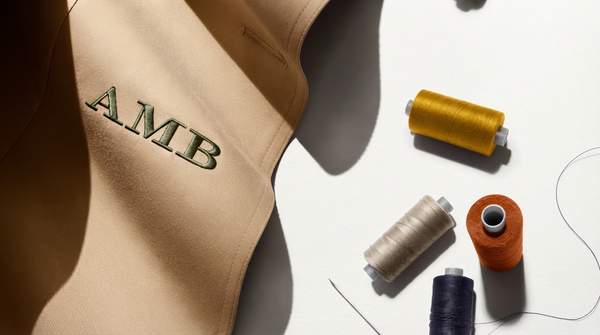
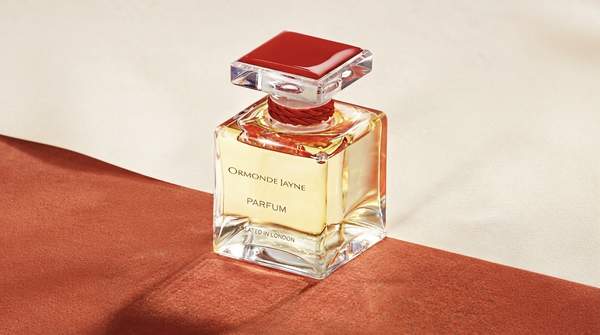
At Guerlain, a bespoke fragrance experience culminates in bottles adorned with hand-painted initials and colored stripes, transforming a perfume into a personal work of art. This intricate detailing, executed by skilled artisans, elevates the scent from a mere commodity to a cherished symbol of individual identity, reflecting a client's unique style. Artistic customization highlights the profound level of personalization available in luxury perfumery, extending beyond the olfactory profile to the aesthetic presentation of the product itself.
Consumers desire ultimate personalization in luxury fragrance, but the bespoke process involves strict pricing and logistical rules that limit conventional retail flexibility. This tension arises as brands strive to offer unparalleled uniqueness while navigating the practicalities of production, distribution, and commercial policy.
Bespoke perfumery is setting a new standard for luxury, shifting the focus from product acquisition to an immersive, co-creative experience, thereby solidifying its niche at the pinnacle of the fragrance market. The stringent rules and logistical complexities inherent in this craftsmanship are not hindrances, but integral elements that elevate its luxury status and exclusivity, justifying its premium cost.
The allure of bespoke fragrance craftsmanship begins with its unparalleled personalization, exemplified by services like those at Guerlain. Clients can choose to have their initials and specific colored stripes hand-painted onto their fragrance bottles by skilled artists. This meticulous process transforms a bottle into a unique artistic statement, integrating the client's personal aesthetic directly into the product. Artistic detail elevates a bespoke fragrance beyond a mere scent, making it a tangible, personal masterpiece.
What is Bespoke Fragrance Craftsmanship?
Bespoke fragrance craftsmanship involves a multi-phase formulation process, ensuring a deeply personalized scent. For instance, Witandwest outlines a three-phase approach that incorporates customer feedback for formulation edits. This iterative method means the final fragrance is not merely unique but precisely aligned with the client's individual preferences and identity, creating a scent narrative that evolves with direct input.