Luxury brands build exclusivity through two fundamentally different machines. Limited editions restrict supply: a fixed quantity of an identical product is released, and value comes from the rush to acquire it before it disappears. Bespoke services restrict identity: the product exists only for one customer, and value comes from co-creating something no one else can own. Which one a brand emphasizes—or how it combines them—shapes both the psychology of its customers and the strength of its premium positioning.
Introduction: Cultivating Exclusivity in Luxury
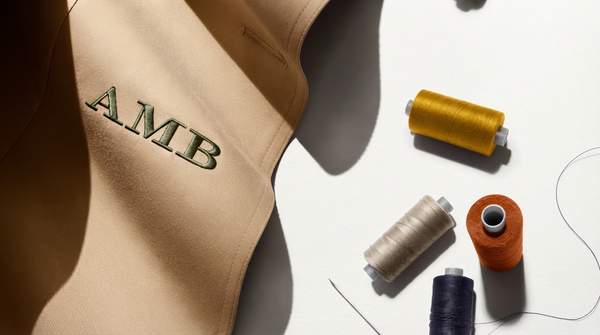
Exclusivity is the operational core of luxury branding, not a byproduct of high prices. Analysis of high-end branding distinguishes it from conventional brand development precisely on this point: while mass-market branding seeks broad accessibility, luxury deliberately cultivates selectivity, "creating desire through scarcity and distinction rather than accessibility and convenience." Luxury marketing guidance collected by Nina Ryan for Sotheby's Institute of Art reaches the same conclusion—brands "must create a sense of exclusivity to attract their target audience," whether through limited edition products, restricted availability, exclusive events, or personalized services.
Academic analysis of the luxury fashion industry, drawing on Allérès's taxonomy, formalizes this into a hierarchy. At the top sits "inaccessible luxury": custom-made products produced in limited numbers, sold through highly selective networks at very high prices, projecting the consumer into "a dimension of rarity and unsurpassed exclusivity." Below it are luxury brands produced in limited series with very high quality, where brand awareness itself generates intangible added value. The two exclusivity strategies this article examines map directly onto those tiers.
Limited Editions: Scarcity and Anticipation
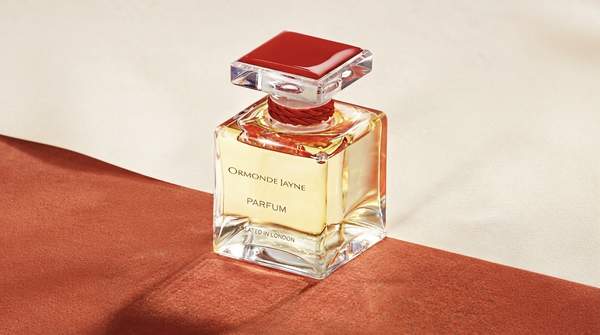
A limited edition creates exclusivity by managing supply. The brand produces a specific, finite quantity of a product—sometimes numbered, often tied to a moment—and lets the ceiling do the work. Industry analysis of premium brand development describes this as "strategic scarcity": tactics such as limited editions, invitation-only access, waiting lists, and selective distribution that "create anticipation, enhance desirability, and reinforce exclusivity perceptions."
The consumer's role here is competitive. Because the product is identical for every buyer, the only differentiator is ownership itself, and scarcity converts purchase into a race. The psychology is anticipation-driven: desire intensifies because the window is closing and rivals want the same thing. The analysis is careful to add a boundary condition—these tactics "must feel authentic rather than manufactured," because consumers can distinguish genuine exclusivity from artificial restriction designed solely to inflate prices. Scarcity that reads as a pricing trick destroys the very perception it was meant to build.